619-928-5000
  Request Service
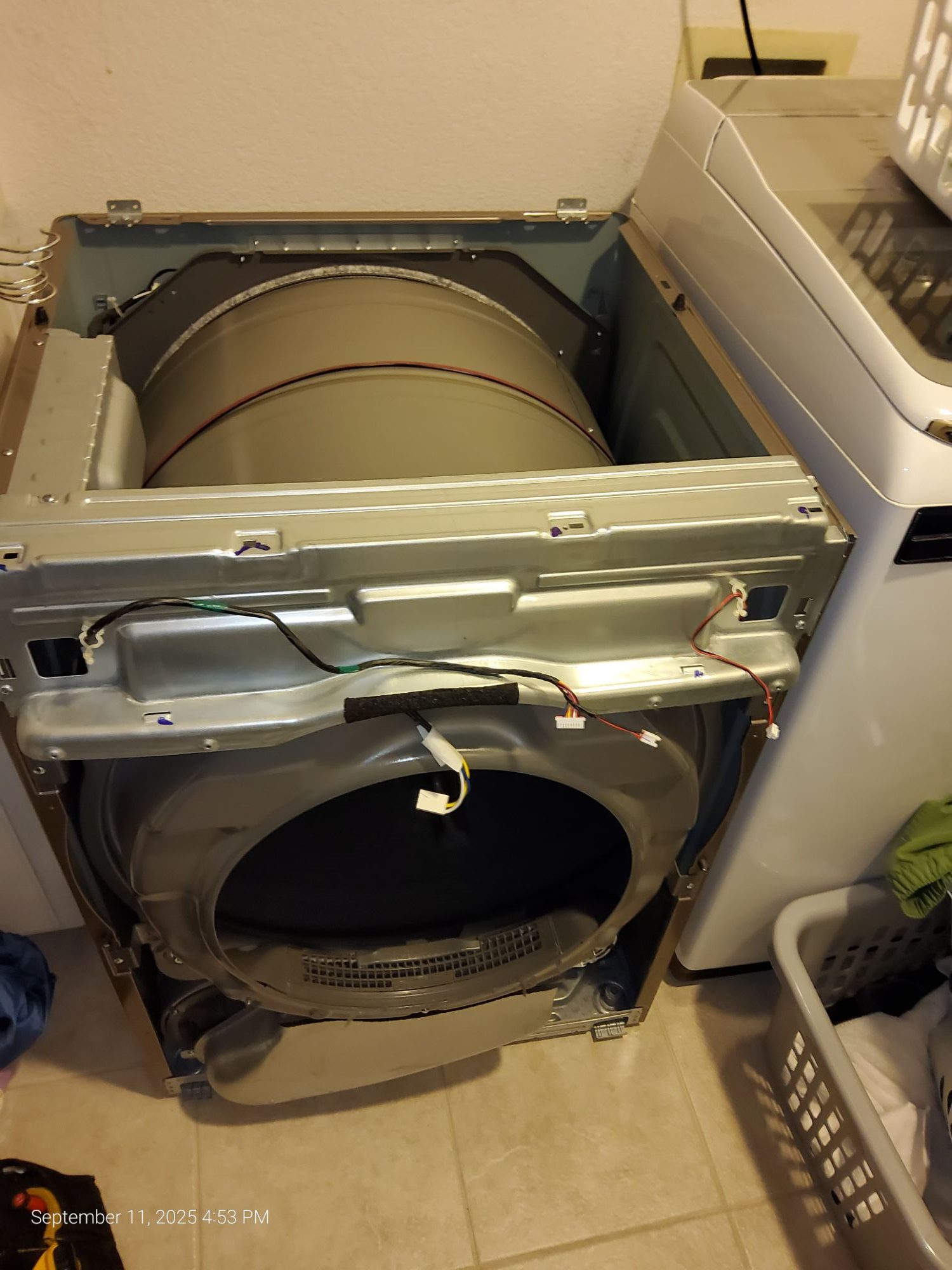
You’ve just finished a load of laundry. The clothes feel soft, smell fresh, and everything seems perfect. Yet, within just a few hours, that fresh scent disappears, replaced by a damp, musty odor that makes your garments almost unpleasant to wear. Many people blame detergents, fabric softeners, or leaving clothes in the washer too long, but the root cause often lies deeper — a hidden drainage backflow defect.
Drainage backflow occurs when wastewater from the washing machine does not flow out properly, causing small amounts of water to remain in the machine’s pipes or even partially return into the drum. While the washer may appear to operate normally, this trapped water creates an ideal environment for mold, mildew, and bacteria to grow. When clothes are washed in such conditions, they absorb these microorganisms and retain moisture, leading to that familiar musty smell even hours after drying.
This problem is more common than many realize. Over time, sediment, lint, and soap scum can accumulate in the washing machine’s drainage system or in the household plumbing connected to it. Even high-efficiency washers, designed to use less water, are not immune. A partially clogged drain or a faulty check valve can disrupt the normal flow of wastewater, resulting in backflow that undermines the freshness of your laundry.
Signs that a drainage backflow defect may be affecting your washer include:
- Fresh laundry turning musty within hours
- Water pooling in the bottom of the drum after a cycle
- Slow draining or unusual gurgling sounds during or after washing
- Persistent odors coming from the washing machine, despite cleaning
Addressing the problem early can prevent a range of issues. Left unchecked, backflow not only impacts the smell and hygiene of your laundry but can also damage the washing machine over time. Mold and mildew growth inside the drum and drainage pipes can corrode internal parts, reduce washing efficiency, and even lead to costly repairs. Additionally, contaminated laundry may pose a risk to sensitive skin, especially for children or those prone to allergies.
Solutions typically involve a professional inspection of the washer’s drainage system and connected plumbing. Technicians can identify blockages, malfunctioning valves, or improperly installed hoses that allow backflow to occur. They may perform a deep cleaning of the drainage system, replace faulty parts, and ensure that wastewater flows smoothly out of the machine. Following service, most users notice a dramatic improvement: clothes come out clean, fresh, and dry faster, with no lingering odors.
Preventive measures can also help maintain freshness:
- Regularly clean the washer drum and detergent drawer
- Use high-efficiency detergents as recommended by the manufacturer
- Avoid overloading the machine, which can increase strain on drainage
- Periodically inspect hoses and connections for leaks or kinks
However, when a persistent musty smell continues despite good washing habits, it’s a clear sign that the problem is deeper than surface cleaning. Only a professional assessment can fully resolve the underlying drainage backflow defect and restore your laundry’s freshness consistently.
Don’t let musty odors ruin your clothes and washing experience. If your laundry smells fresh at first but turns musty within hours, it’s time to take action. Contact HOME APPLIANCE SERVICE CENTER today to schedule a thorough inspection and repair. With expert service, your washer will return to optimal performance, keeping your clothes fresh, hygienic, and ready to wear every time.
Contact us