619-928-5000
  Request Service
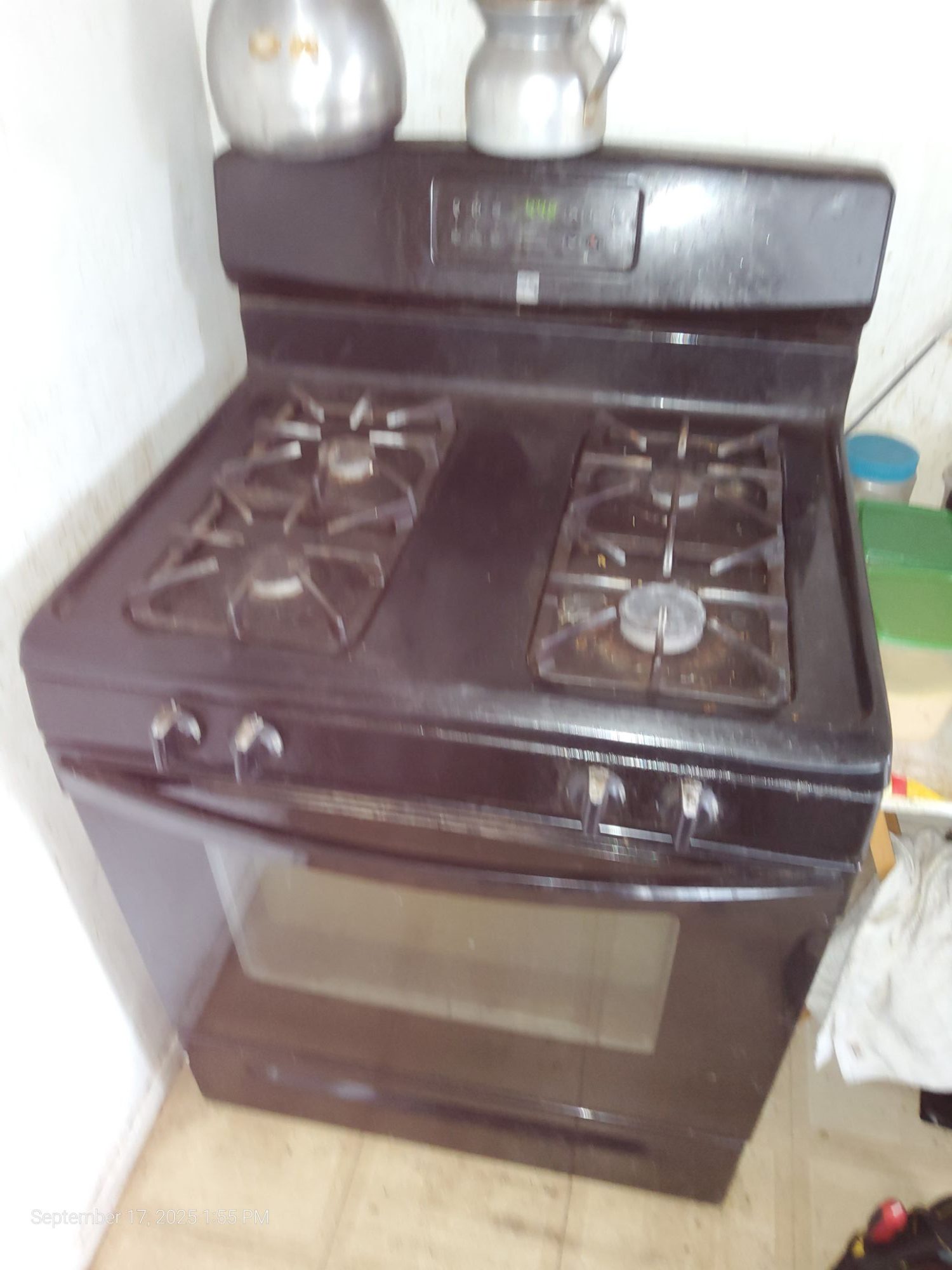
Gas stoves are a cornerstone of many kitchens. They provide precise heat control, fast cooking times, and the satisfaction of a visible flame. Most homeowners rely on them daily, often assuming that as long as the burners ignite, everything is functioning correctly. However, one subtle but common problem is uneven heat distribution, even when the burners light normally.
Uneven heat can present in several ways: food cooks faster on one side of the pan, sauces simmer inconsistently, or pancakes and omelets brown unevenly. At first, these differences may seem minor—after all, the burner is still producing a flame—but over time, the issue can affect cooking quality and efficiency.
The primary cause of uneven heat is often a gas flow imbalance. While the igniter ensures the burner lights, it does not regulate the exact flow of gas to each burner port. Variations can occur due to partial blockages, improper burner alignment, or debris buildup. Even slight obstructions can redirect gas, causing the flame to burn hotter in one area and cooler in another.
Another contributing factor is burner wear. Over years of use, burner holes can become clogged with food particles, grease, or mineral deposits from hard water. This blockage restricts gas flow and interrupts the flame’s consistency. In some cases, the flame may appear blue and normal, but subtle shifts in intensity can go unnoticed until cooking results are affected.
Improper burner installation can also lead to uneven heat. After maintenance, repairs, or even a routine clean, the burner cap may not sit perfectly on the base. Misalignment can redirect the flame, causing hotspots or areas where heat is significantly lower. This is a subtle problem, as the burner will still ignite and appear functional.
Many stove owners try to compensate for uneven heat by adjusting cooking times or moving pans around. While this can provide temporary relief, it does not address the underlying problem. Over time, it can result in overcooked or undercooked meals, increased energy consumption, and even potential safety concerns. Consistently high flames in localized areas can damage cookware or surfaces, while low flames can cause incomplete combustion, which might produce carbon monoxide.
Identifying uneven heat issues early is crucial. Look for visual signs: flames that are irregular in height, unevenly colored, or shifting while cooking. Listen for abnormal sounds like hissing or sputtering, which indicate fluctuating gas pressure. Smell can also be a clue; a faint gas odor during operation may suggest a blockage or leak that affects flame distribution.
Maintenance plays a key role in preventing uneven heat. Regularly cleaning burners, ensuring they are correctly aligned, and removing food debris or grease buildup can maintain consistent gas flow. However, some problems are not visible or easily accessible. Gas lines may have minor kinks, regulator issues, or internal blockages that are not detectable without professional tools. Attempting to fix these issues without expertise can be dangerous.
Professional inspection is often the safest solution. A qualified technician can evaluate the gas flow, clean burners thoroughly, adjust alignment, and test each burner for consistent heat output. They can also check regulators and valves to ensure that gas is delivered at the correct pressure to all burners. This service not only restores optimal performance but also ensures safety for your home and family.
Ignoring uneven heat can turn a minor inconvenience into a major cooking frustration. Imagine trying to prepare a complex dish that requires precise heat: a soufflé might collapse, sauces could curdle, and meats could sear unevenly. Beyond aesthetics and taste, uneven burners can increase cooking times and energy usage, making your stove less efficient overall.
In short, even if your burners ignite normally, uneven heat is a sign that your stove needs attention. Addressing it early preserves the longevity of your appliance, improves cooking results, and maintains household safety. Homeowners who neglect this issue often discover the problem only after a significant mishap or when performance drops drastically.
If your gas burners ignite normally but your meals still cook unevenly, don’t ignore the warning signs. Contact HOME APPLIANCE SERVICE CENTER for a professional inspection and service. Our experts will ensure your stove operates safely and efficiently, delivering consistent heat across every burner so you can cook with confidence. Schedule your service today and experience the difference of properly balanced flames.
Contact us