619-928-5000
  Request Service
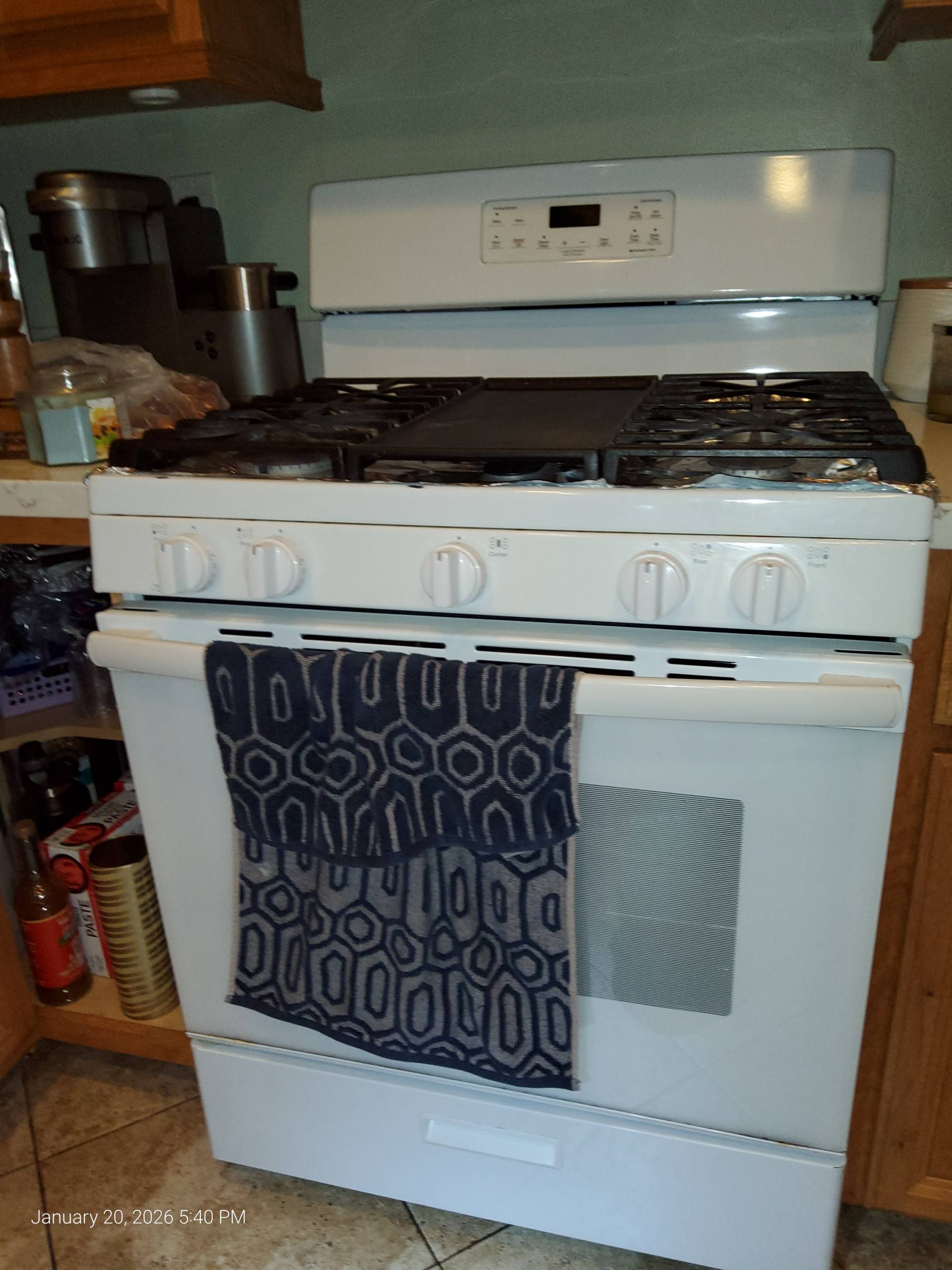
Most homeowners expect their gas stove to provide steady, even heat to all cookware. When a burner is lit, the flame should be consistent, and your pots and pans should heat uniformly. But what happens when you notice that some cookware gets scorching hot in one spot while other areas remain cool? This uneven heating is more than just a minor inconvenience — it can signal underlying issues that, if ignored, may affect both cooking results and safety.
Why Even Heat Matters
Cooking relies on predictable heat distribution. Uneven heating can lead to undercooked meals, burnt spots, or inconsistent results even when following recipes precisely. For delicate dishes like sauces or custards, a cold spot in the pan can ruin the texture, while a hotspot can burn ingredients in seconds. Even when cooking simple foods, irregular heating can increase frustration and reduce efficiency, making meal preparation unnecessarily challenging.
Common Causes of Uneven Heating on Gas Stoves
- Clogged Burner Ports
Over time, food debris, grease, and mineral deposits can block the tiny holes where gas exits the burner. This can create uneven flames that result in hot and cold spots across the cookware. Cleaning the burner thoroughly may resolve minor blockages, but stubborn buildup or internal damage often requires professional inspection. - Warped or Low-Quality Cookware
Even if the stove is functioning perfectly, uneven heating can occur if cookware has warped or is made of materials that distribute heat poorly. Stainless steel pans without a thick, layered base are common culprits. Conduct a simple test: fill your pan with water and heat it slowly. If the water boils unevenly or pools in certain areas, the pan itself may be the issue. - Gas Pressure Variations
Gas stoves depend on consistent fuel pressure to maintain steady flames. Low or fluctuating pressure can lead to weak flames, uneven heat, or burners that flare unpredictably. This problem can stem from issues in the gas line, regulator, or even the utility supply. Because this involves gas, professional diagnosis is essential to prevent safety hazards. - Misaligned or Damaged Burners
If the burner cap is not seated correctly or is damaged, flames may not spread evenly. Misalignment is a common issue after cleaning or accidental impact. Even minor damage to the burner can alter flame patterns, causing certain areas of cookware to heat faster than others. - Ventilation and Drafts
Unexpected air currents, such as kitchen ventilation or open windows, can disturb the flame. While this is less common than other causes, it may create temporary uneven heating, especially for simmering tasks where small flames are required.
Why You Should Address It Quickly
While uneven cooking might seem harmless, it can indicate problems that impact safety and efficiency. Gas stoves that underperform or show inconsistent flame patterns may also have hidden leaks, damaged valves, or faulty components. Ignoring these signs can lead to inefficient fuel use, potential flare-ups, or worse, a fire hazard.
Even if the issue is related to cookware quality or minor debris, professional assessment ensures that your stove is safe and performing optimally. A trained technician can clean, adjust, and test burners, examine gas pressure, and ensure the appliance is in top working condition.
Practical Tips for Homeowners
- Check Burner Caps: Ensure all caps are seated correctly and free from debris.
- Test Cookware: Use a water test to detect hotspots in your pans. Replace warped or low-quality cookware.
- Observe Flame Behavior: Flames should be blue and steady. Yellow tips, flickering, or uneven patterns are warning signs.
- Avoid DIY Gas Adjustments: Never attempt to alter gas pressure or regulators on your own. These require certified technicians.
Professional Service Can Save Time and Stress
Addressing uneven stove performance promptly preserves both your cooking results and safety. A professional service will:
- Clean burners and ports thoroughly
- Inspect and replace damaged components
- Test gas pressure and supply for consistency
- Advise on cookware compatibility
By taking action early, you not only protect your household but also extend the lifespan of your appliance.
If your gas stove seems to work fine yet your cookware heats unevenly, don’t ignore it. Contact the HOME APPLIANCE SERVICE CENTER today. Our trained technicians provide thorough inspections, repairs, and maintenance to ensure your stove operates safely and efficiently.
Contact us