619-928-5000
  Request Service
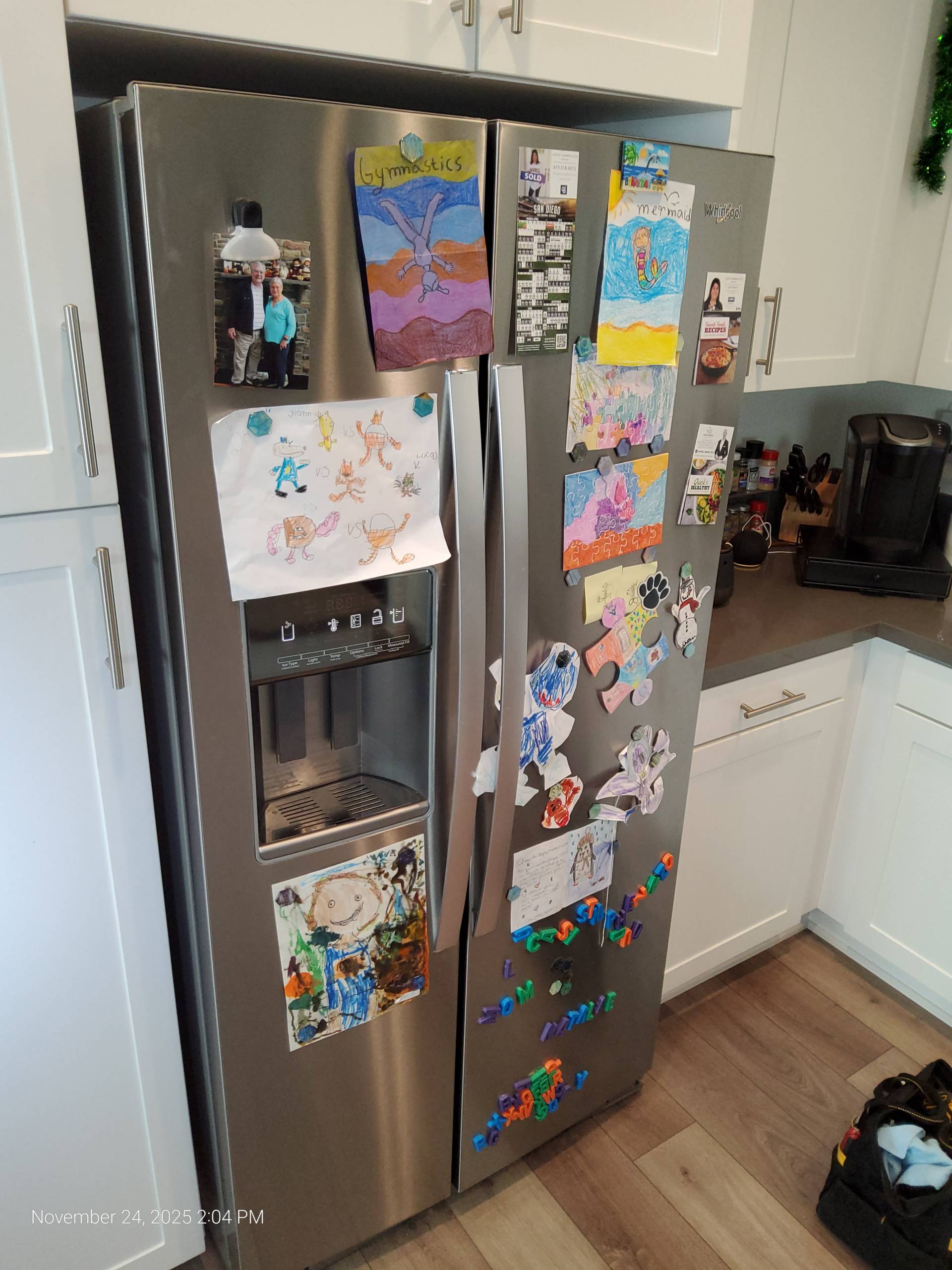
Most homeowners assume that if their refrigerator door closes properly and the gasket appears intact, the appliance is functioning efficiently. However, what you don’t see can cost you more than you think. Invisible leaks in refrigerators are surprisingly common and can silently increase energy bills, compromise food preservation, and shorten the lifespan of your appliance.
A refrigerator relies on maintaining a consistent, cool environment to keep food fresh. The seals around the door, known as gaskets, are designed to create an airtight barrier, preventing cold air from escaping and warm air from entering. Even a small gap or microscopic tear can allow cold air to leak, forcing the compressor to work harder to maintain the correct temperature. Over time, this increases electricity consumption and can lead to higher energy bills.
Invisible leaks are tricky because they often go unnoticed during daily use. A fridge may still feel cold, the door may close normally, and the gasket may not show visible damage. Yet, cold air might still escape from hard-to-detect areas, such as corners of the seal, slight warping of the door, or a gasket that has lost its flexibility. These leaks can create uneven cooling inside the appliance, resulting in spoiled food, ice buildup, or frost formation.
The causes of invisible leaks are varied. Age is a common factor; gaskets naturally lose elasticity and form tiny cracks over years of use. Dirt, food residue, or sticky spills can also compromise the seal by preventing the door from closing perfectly. Even a refrigerator that appears well-maintained can develop minor gaps that reduce efficiency.
Detecting these leaks requires careful inspection and sometimes professional tools. Simple tests at home include the paper test: place a piece of paper or a dollar bill between the door and the gasket, then close the door. If you can pull the paper out easily without resistance, the seal may not be airtight. Another sign of a leak is condensation forming on the outside of the fridge or excess frost on the freezer walls. Higher energy bills without a change in usage are another indirect clue.
While some minor gasket issues can be fixed by cleaning or realigning the seal, most invisible leaks require professional attention. A trained technician can identify the exact source of air escape, assess the condition of the gasket, and recommend repair or replacement. Ignoring the problem not only wastes energy but can also strain the refrigerator’s compressor, leading to more costly repairs or early appliance failure.
Modern refrigerators are designed with energy efficiency in mind, but even the most advanced model cannot overcome a compromised door seal. Ensuring the integrity of the gasket is essential to maintain optimal cooling, save on electricity costs, and prolong the life of your appliance. Homeowners who act promptly when they suspect a leak are more likely to avoid food spoilage, prevent frost buildup, and reduce energy waste.
At HOME APPLIANCE SERVICE CENTER, we specialize in diagnosing and repairing invisible leaks in refrigerator door seals. Our technicians use professional-grade equipment to pinpoint even the smallest leaks, providing solutions that restore your fridge to peak efficiency. Don’t wait until energy bills rise or your food spoils—schedule a service today and ensure your refrigerator works as efficiently as possible.
Investing in professional maintenance may seem small, but it delivers real savings in energy costs and protects your appliance from unnecessary wear. A functioning refrigerator is not just a convenience; it’s an essential part of a healthy, energy-efficient home. Detecting and fixing invisible leaks in the door seal is a smart step toward reducing waste, protecting your food, and saving money.
If your fridge door looks fine but you notice higher energy bills or uneven cooling, contact HOME APPLIANCE SERVICE CENTER today. Our experts will identify invisible leaks and restore your refrigerator’s efficiency, helping you save energy and prevent costly repairs.
Contact us
(619) 928-5000
[email protected]