619-928-5000
  Request Service
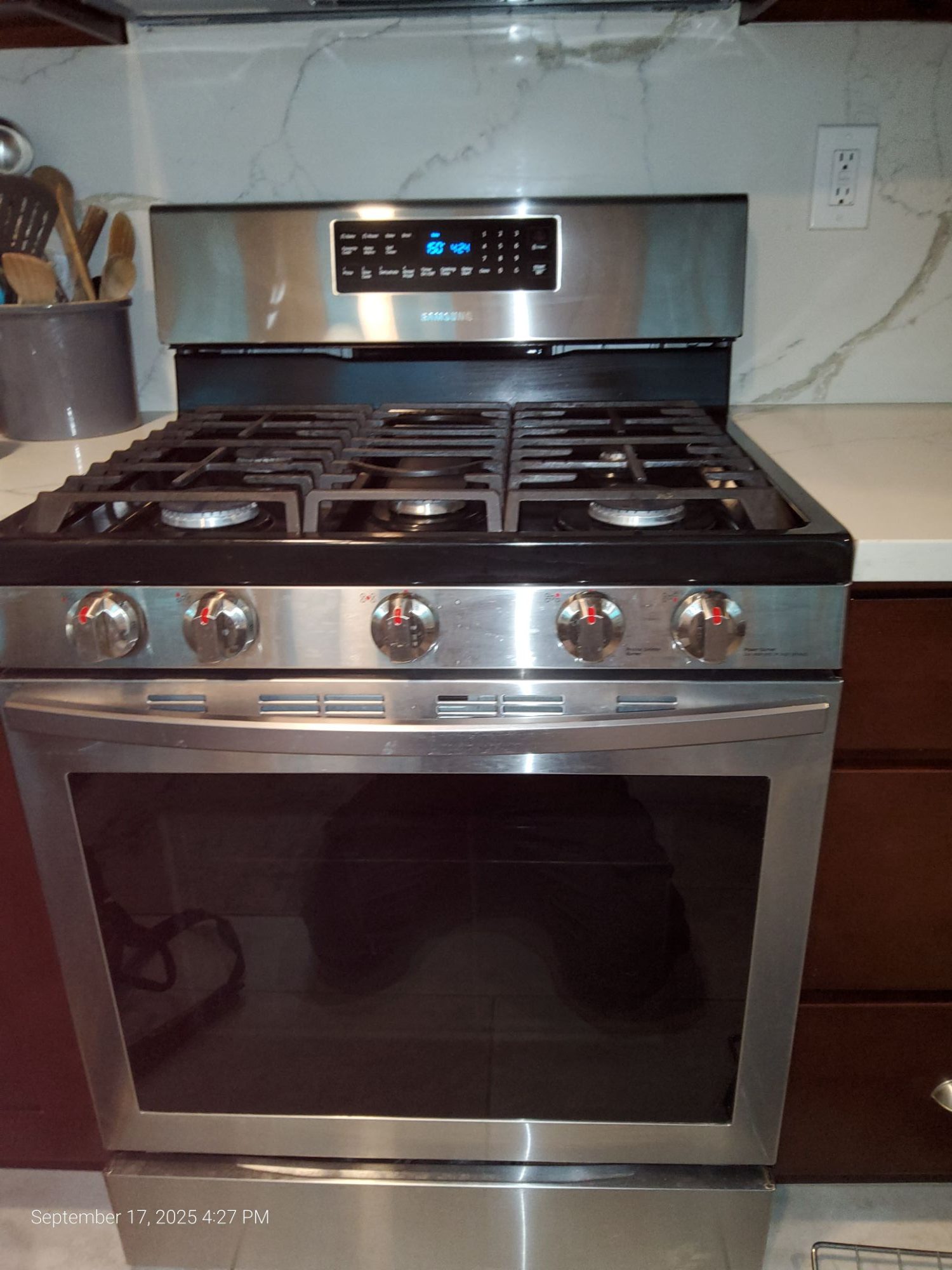
Modern stoves are designed to make cooking easier, faster, and safer. Most users expect instant response when adjusting the heat, whether simmering a delicate sauce or searing a steak. But what happens when your stove no longer reacts immediately to your adjustments? A subtle delay in response may seem harmless at first, but it is a hidden defect that can pose serious safety risks and affect your cooking outcomes.
Understanding the Delay
A stove that reacts slowly may have an issue with its electronic controls, sensors, or power regulation system. Unlike obvious malfunctions such as burners not igniting or error codes on the display, delayed response is often gradual. Users might notice that turning the knob or pressing the control pad doesn’t immediately change the flame or heating element temperature. Over time, this delay can become more pronounced, creating a mismatch between what you intend to cook and the heat the stove actually delivers.
For example, a simmer that should take just a few minutes to reach the desired temperature could instead take much longer. This can lead to overcooking, undercooking, or even burning food. While these consequences may seem minor, the underlying defect could indicate a deeper electrical or mechanical problem that directly affects safety.
Safety Implications
Delayed response on a stove is not just an inconvenience—it can be dangerous. Cooking involves precise temperature control, and a stove that doesn’t respond as expected increases the risk of accidents:
- Burn hazards: If you try to turn the heat down quickly and the stove lags, hot oil or liquids may splash or boil over, causing burns.
- Fire risk: Overheating a pan due to delayed response can ignite food or oil. A small defect can thus become a significant fire hazard in your kitchen.
- Gas stoves: For gas burners, delayed ignition or flame response can lead to gas accumulation, creating a serious explosion risk.
Because the defect is subtle, it often goes unnoticed until it results in an accident or more extensive appliance damage. Homeowners may attribute slower cooking times to changes in recipes, cookware, or personal perception, rather than realizing that their stove is malfunctioning.
Signs Your Stove May Be Developing This Defect
Awareness is crucial. You should consider having your stove inspected if you notice:
- A noticeable lag between adjusting controls and heat output.
- Fluctuating flame size or heating element temperature that doesn’t match your input.
- Inconsistent cooking results despite following the same settings.
- Error messages or occasional shutdowns that coincide with slow response.
Even minor or intermittent delays can indicate a defect that may worsen over time. Addressing it early not only restores cooking performance but also reduces potential safety hazards.
What Causes the Delay?
Several factors can contribute to slow stove response:
- Electronic control board issues: Modern stoves rely on control boards to regulate heat. Malfunctions here can cause slow or inaccurate adjustments.
- Sensor failures: Temperature sensors may degrade or fail, providing incorrect readings and delaying response.
- Power fluctuations or wiring issues: Loose or damaged connections can prevent the stove from receiving or sending signals promptly.
- Wear and tear of mechanical components: On some stoves, knobs and switches may deteriorate, leading to delayed actuation.
Because the problem is often internal, it usually requires professional inspection and repair. Attempting DIY fixes can be risky, especially when dealing with gas or electrical components.
Why Professional Service Matters
A certified appliance technician can accurately diagnose the issue and ensure that your stove is restored to safe operation. Services typically include:
- Testing electronic controls and sensors.
- Checking electrical connections and replacing faulty wiring.
- Calibrating temperature sensors.
- Repairing or replacing defective components.
By relying on professional service, you not only fix the defect but also prevent potential hazards, prolong the life of your appliance, and maintain cooking performance.
Preventive Tips
While professional repair is essential for existing defects, you can minimize the risk of stove delays with simple maintenance:
- Regularly clean burners and heating elements.
- Avoid spilling liquids into control panels.
- Use cookware appropriate for your stove type.
- Schedule periodic inspections, especially for older appliances.
A stove that responds slowly after adjustments may seem like a minor inconvenience, but it’s a defect with serious safety implications. Whether you notice delayed heating, inconsistent flame size, or unusual fluctuations in cooking results, ignoring these signs can put you, your family, and your home at risk.
To protect your kitchen and ensure your stove works safely and efficiently, professional repair is the best course of action. HOME APPLIANCE SERVICE CENTER specializes in diagnosing and fixing these subtle but dangerous defects, giving you peace of mind and restoring your cooking performance. Don’t wait until an accident happens—schedule service today and keep your stove operating safely and reliably.
Contact us