619-928-5000
  Request Service
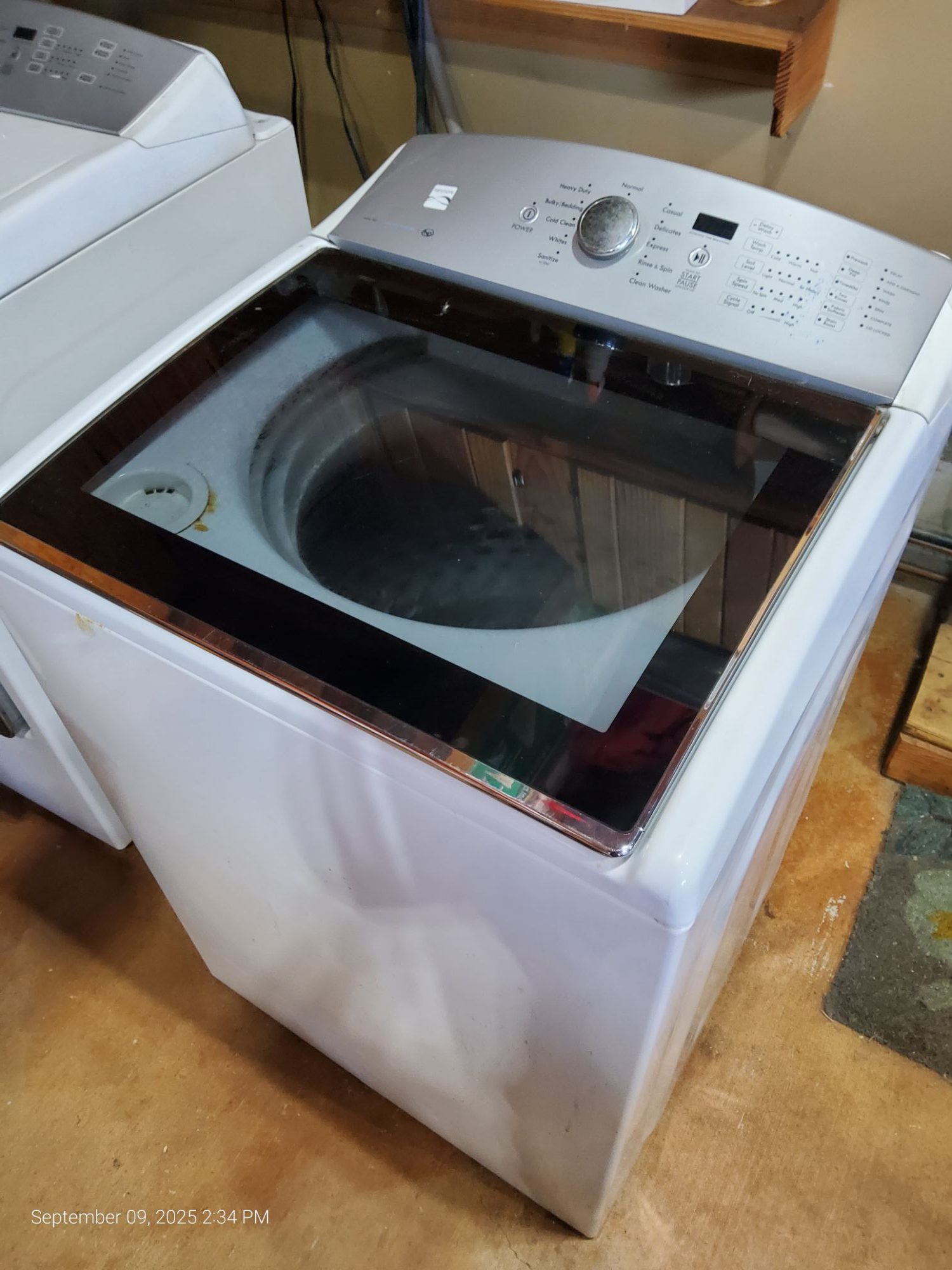
For most homeowners, a washing machine is a silent hero of the household. Clothes come out clean, laundry days are manageable, and life feels just a little easier. Yet, what happens when your washing machine drains perfectly, but detergent residue still clings stubbornly to fabrics? This seemingly minor annoyance is more than just cosmetic—it can indicate a hidden problem in your appliance’s dosing system. Understanding this failure is crucial to maintaining both the efficiency of your washer and the longevity of your clothes.
Why detergent residue occurs despite proper draining
When a washing machine drains normally, it may seem counterintuitive to expect cleaning issues. After all, if water leaves the drum efficiently, shouldn’t detergent leave along with it? The answer lies in how modern washing machines distribute detergent. Most machines today use sophisticated dosing systems that regulate when and how detergent enters the wash. These systems rely on precise timing, water pressure, and sensor inputs to ensure detergent dissolves fully and interacts with fabric fibers during the wash cycle.
If any component of this system malfunctions, detergent may not reach the fabric properly, or it may enter the drum at the wrong stage of the cycle. This can result in residue clinging to clothing, even when the machine drains as expected.
Common causes of dosing system failures
- Clogged or partially blocked detergent compartments
Over time, powdered detergent or fabric softeners can leave residues inside the drawer or dispenser channels. This buildup can restrict the flow of detergent, causing it to remain in the compartment rather than entering the drum at the right moment. Liquid detergents can also cause gelling inside the drawer if left standing, leading to similar issues. - Faulty solenoid valves
Modern machines often use solenoid valves to control the release of detergent and softeners. These valves open and close precisely during a wash cycle, but if they become stuck or fail electrically, detergent may not be dispensed correctly. - Sensor or electronic control errors
High-end washing machines rely on sensors that monitor water levels, temperature, and even detergent concentration. If a sensor misreads water volume or detergent flow, the control board may skip or shorten the detergent dosing phase, leaving residue on clothing. - Pump timing or water pressure issues
Even if a machine drains correctly, improper water pressure during the wash cycle can reduce the effectiveness of detergent flushing. Insufficient water flow can prevent detergent from dissolving properly or moving fully through the drum, resulting in streaks or patches on clothes.
Signs that indicate a dosing system problem
Beyond visible detergent residue, there are other indicators that your washing machine’s dosing system may be failing:
- Clothes feel stiff or sticky after washing.
- Unpleasant odors persist in the drum, even after cycles with hot water.
- Fabric softener residue is visible on clothes or inside the drum.
- Certain wash cycles consistently leave detergent behind, regardless of detergent type or quantity.
Noticing these signs early is key. Ignoring a dosing system problem can lead to longer-term damage, including corroded drum surfaces, clogged pipes, or even premature wear on electronic components.
DIY checks and fixes
While some dosing system problems require professional service, there are a few basic checks you can perform yourself:
- Clean the detergent drawer: Remove the drawer completely and soak it in warm water. Use a soft brush to remove powder residue or gel build-up from corners and channels.
- Check water flow: Run a short cycle with the drawer empty. Observe if water enters all compartments evenly; irregular flow can indicate a blocked inlet or valve issue.
- Use appropriate detergent: Some high-efficiency washers require specific low-sudsing detergents. Using the wrong type can leave residue even in a perfectly functioning machine.
However, if residue persists after these steps, the underlying cause is likely a malfunctioning component in the dosing system that needs professional attention.
Professional diagnosis and repair
Servicing a dosing system often involves inspecting solenoid valves, electronic control boards, sensors, and water inlet components. Experienced technicians can pinpoint the exact cause and replace or repair faulty parts. Attempting complex repairs without proper knowledge can lead to further damage and costly repairs.
At HOME APPLIANCE SERVICE CENTER, we specialize in diagnosing and repairing washing machine dosing system failures. Our technicians use advanced diagnostic tools to ensure every component is functioning correctly, restoring your washer’s ability to clean efficiently without leaving detergent residue.
Preventive maintenance tips
Once your washer is repaired, you can reduce the likelihood of future dosing system issues with simple habits:
- Regularly clean the detergent drawer and dispenser channels.
- Use the correct type and amount of detergent recommended for your model.
- Run periodic maintenance cycles with hot water and a washer cleaner.
- Avoid leaving detergent or softener standing in the drawer for extended periods.
By staying proactive, you can extend the life of your washing machine, maintain fabric quality, and enjoy consistently spotless laundry.
A washing machine that drains perfectly but leaves detergent residue may seem like a minor inconvenience, but it points to a dosing system failure that requires attention. Recognizing the signs early and seeking professional service ensures that your washer continues to function efficiently and protects your clothing investment. For reliable, expert repair, contact HOME APPLIANCE SERVICE CENTER and let our trained technicians restore your machine to peak performance.
Contact us