619-928-5000
  Request Service
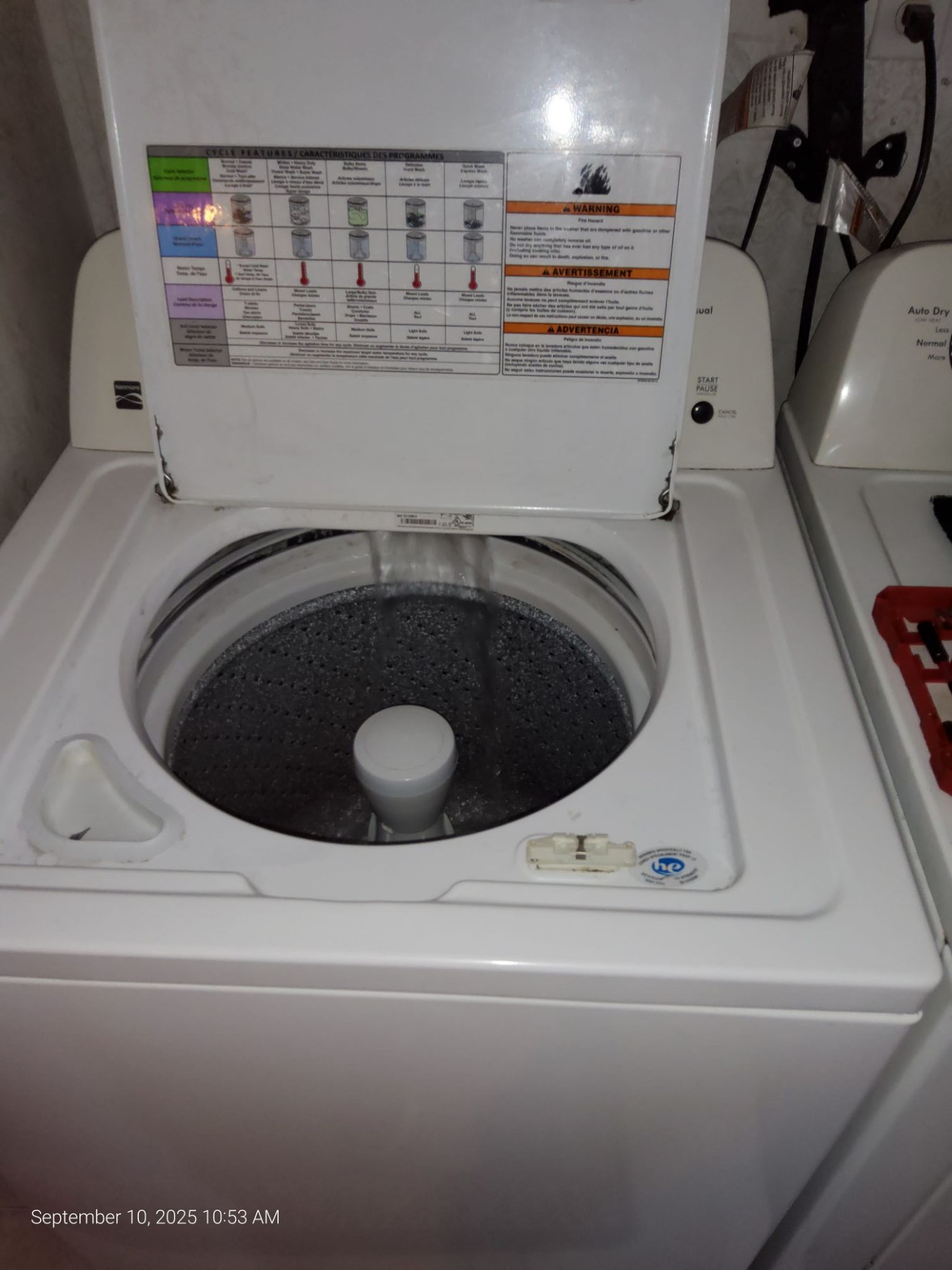
Many homeowners have experienced the frustration of laundry that seems to exit the washing machine wetter than expected. You might notice that your washing machine occasionally skips the spin cycle, leaving clothes damp, heavy, and in need of extra drying time. While the first instinct is often to blame software or electronic errors, the reality is usually rooted in mechanical wear—components that have been stressed over time and are beginning to fail. Understanding why this happens can save you from costly repairs and help maintain your appliance in the long term.
Common Misconceptions About Spin Cycle Issues
Modern washing machines are equipped with sophisticated electronics that control every aspect of a wash. When something goes wrong, it’s tempting to assume the problem lies in the control board or software glitch. Many users attempt to reset the machine or update its settings, expecting the problem to resolve. In some cases, the issue persists, and repeated “restarts” fail to solve the problem. This is a strong indication that the problem is not digital but mechanical.
Mechanical Causes of a Skipped Spin Cycle
The spin cycle depends on multiple mechanical components working together. Key parts that can wear down over time include:
- Drive Belt: The drive belt connects the motor to the drum. If it slips or frays, the drum may fail to reach the speed required for spinning clothes properly.
- Motor Coupling: Some machines use a coupling to transmit power from the motor to the drum. A worn or damaged coupling can cause intermittent spinning issues.
- Clutch and Transmission: The clutch engages the spin cycle, while the transmission regulates speed. Wear in either component can result in skipped cycles or inconsistent spinning.
- Door Lock or Lid Switch: Many machines are designed not to spin if the door isn’t securely locked. A failing lock or switch may prevent the drum from entering the spin phase.
- Shock Absorbers and Suspension Springs: Machines with unbalanced loads or worn suspension parts may skip the spin cycle to prevent damage. If your machine vibrates excessively during washing, it could indicate worn suspension components.
Why Mechanical Wear Often Mimics Software Problems
A worn mechanical component can trigger the same symptoms that would appear if a control board malfunctioned. For example, a loose belt or failing clutch may cause the machine to stop mid-cycle, or skip the spin cycle entirely. To the untrained eye, this looks like a software issue—the drum doesn’t spin when it should, cycles appear incomplete, and the machine seems unpredictable. However, unlike software problems, mechanical failures usually worsen gradually, rather than appearing suddenly.
Signs That Your Washing Machine Needs Service
Knowing when to call a professional can prevent further damage. Watch for these warning signs:
- Clothes consistently come out wetter than usual.
- The drum spins intermittently or not at all during certain cycles.
- Loud grinding or unusual noises during washing or spinning.
- Excessive vibration or shaking during the spin phase.
- Error codes that repeatedly appear but cannot be reset.
If any of these occur, it’s a clear sign that mechanical wear is at play and should be addressed promptly.
The Risk of Ignoring Mechanical Wear
Ignoring mechanical wear in your washing machine can lead to more severe damage. A worn drive belt or clutch can eventually break completely, leaving the machine nonfunctional. Continuing to use a machine with faulty suspension or dampened spin cycles can strain the motor and transmission, increasing repair costs. Early professional intervention can extend the life of your appliance, ensuring reliable performance and preventing small issues from becoming major repairs.
Preventive Measures and Maintenance Tips
While mechanical wear is inevitable over time, regular maintenance can reduce the likelihood of spin cycle problems:
- Balance Loads Properly: Avoid overloading or underloading the drum, as this stresses the motor and suspension.
- Check for Obstructions: Small items like coins, buttons, or debris can damage belts or the drum.
- Clean the Machine Regularly: Residue buildup can interfere with mechanical components.
- Monitor for Unusual Noises: Any new grinding, thumping, or squealing should be checked immediately.
When to Call Professionals
Because diagnosing mechanical wear requires technical expertise, it’s often best to call trained service professionals. Attempting to repair internal components without proper tools and experience can worsen the problem or void your warranty.
If your washing machine occasionally skips the spin cycle, don’t assume it’s just a software glitch. Mechanical wear is the most common culprit, and addressing it early ensures your laundry is spun properly, reduces stress on the machine, and prevents costly breakdowns.
For reliable diagnosis and repair of spin cycle problems, contact HOME APPLIANCE SERVICE CENTER. Our certified technicians specialize in mechanical repairs, ensuring your washing machine operates efficiently and lasts longer. Don’t wait for a small issue to become a major repair—schedule your service today.
Contact us