619-928-5000
  Request Service
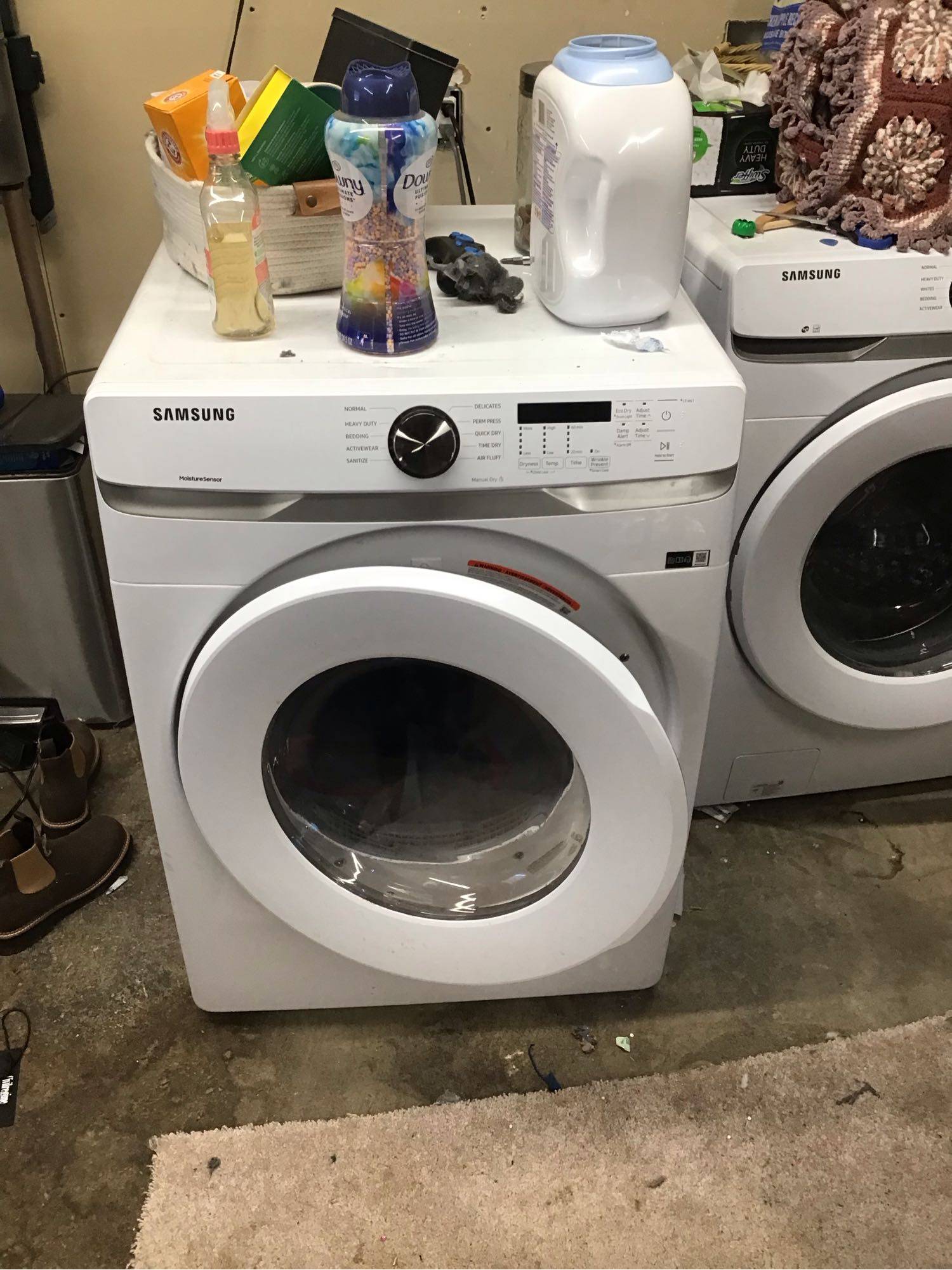
A washing machine is one of the most hardworking appliances in a modern home. When it functions correctly, it is a marvel of engineering, balancing heavy loads of water and fabric at high speeds. However, few sounds are as alarming as a sudden, rhythmic knocking or “banging” during the high-speed spin cycle. This noise is rarely a phantom sound; it is usually a physical manifestation of an internal imbalance. Ignoring these sounds can lead to catastrophic failure of the drum, motor, or electronic components.
To resolve the issue, one must first understand that a washing machine relies on a complex suspension system to counteract the centrifugal force generated during a spin cycle. When this equilibrium is disrupted, the drum moves beyond its intended range of motion, striking the outer cabinet or other internal components.
COMMON CAUSES OF INTERNAL IMBALANCE
The causes of a knocking washing machine range from simple user errors to significant mechanical failures. Identifying the root cause requires a systematic approach to troubleshooting.
- Unevenly Distributed Laundry Loads
The most frequent cause of a knocking sound is not a mechanical failure but an “unbalanced load.” This occurs when heavy items, such as bath towels, denim, or bedding, clump together on one side of the drum. During the spin cycle, this concentrated mass creates an uneven centrifugal force. Modern machines often have sensors to detect this and will attempt to rearrange the load by tumbling slowly before spinning. If the machine cannot redistribute the weight, it may knock violently or refuse to spin at high speeds.
- Worn Shock Absorbers
Front-loading washing machines use shock absorbers to dampen the movement of the drum. Over years of use, the fluid or friction material inside these absorbers can leak or wear down. When the absorbers fail, they lose their ability to steady the tub. As a result, the tub bounces excessively during the spin cycle, causing a loud knocking or “thumping” sound against the frame of the machine.
- Damaged or Detached Suspension Springs
While shock absorbers handle the bottom of the tub, heavy-duty springs support it from the top. These springs hold the tub in place within the cabinet. If a spring becomes stretched, rusted, or unhooked, the tub will sag or sit at an angle. During a spin, the tub will swing wildly, hitting the sides of the appliance.
- Worn Tub Bearings and Spider Arm
This is one of the most serious causes of internal imbalance. The drum rotates on a shaft supported by bearings. If the waterproof seal fails, water enters the bearings, causing them to rust and degrade. Additionally, the “spider arm”—a three-pronged bracket that holds the drum—can corrode and crack. When these components fail, the drum no longer rotates on a true axis. This creates a metallic knocking or grinding sound that intensifies as the spin speed increases.
- Loose Counterweights
To keep the machine stable, manufacturers bolt heavy concrete or plastic weights to the outer tub. Over time, the vibrations of the machine can cause the bolts holding these weights to loosen. If a counterweight is even slightly loose, it will shift and knock against the tub during high-speed rotation, creating a very heavy, distinct banging noise.
THE RISKS OF DELAYING REPAIR
Operating a washing machine that is knocking is a gamble. A machine that is out of balance puts immense stress on the motor and the drive belt. In severe cases, a drum that breaks free from its suspension can puncture the outer tub, leading to significant water damage in your home. Furthermore, the constant vibration can shake internal wiring loose or crack the electronic control board, turning a mechanical repair into a much more expensive electrical overhaul.
PROFESSIONAL DIAGNOSIS AND SOLUTION
While a homeowner can easily fix an uneven load by pausing the cycle and rearranging the clothes, mechanical imbalances require professional intervention. Accessing shock absorbers, springs, or bearings involves dismantling a significant portion of the machine, which can be dangerous due to the weight of the components and the presence of electrical systems.
If your appliance has started to sound like a construction site during the spin cycle, it is time to stop the cycle and call in the experts. Professional technicians have the tools to measure the alignment of the drum and check the integrity of the suspension system without causing further damage.
Don’t let a small knock turn into a total breakdown.
For fast, reliable, and professional repairs, contact the HOME APPLIANCE SERVICE CENTER. Our certified technicians specialize in diagnosing and fixing internal imbalances in all major brands. We use high-quality replacement parts to ensure your machine runs quietly and efficiently once again. Protect your investment and your home—schedule your service appointment today.
Contact us