619-928-5000
  Request Service
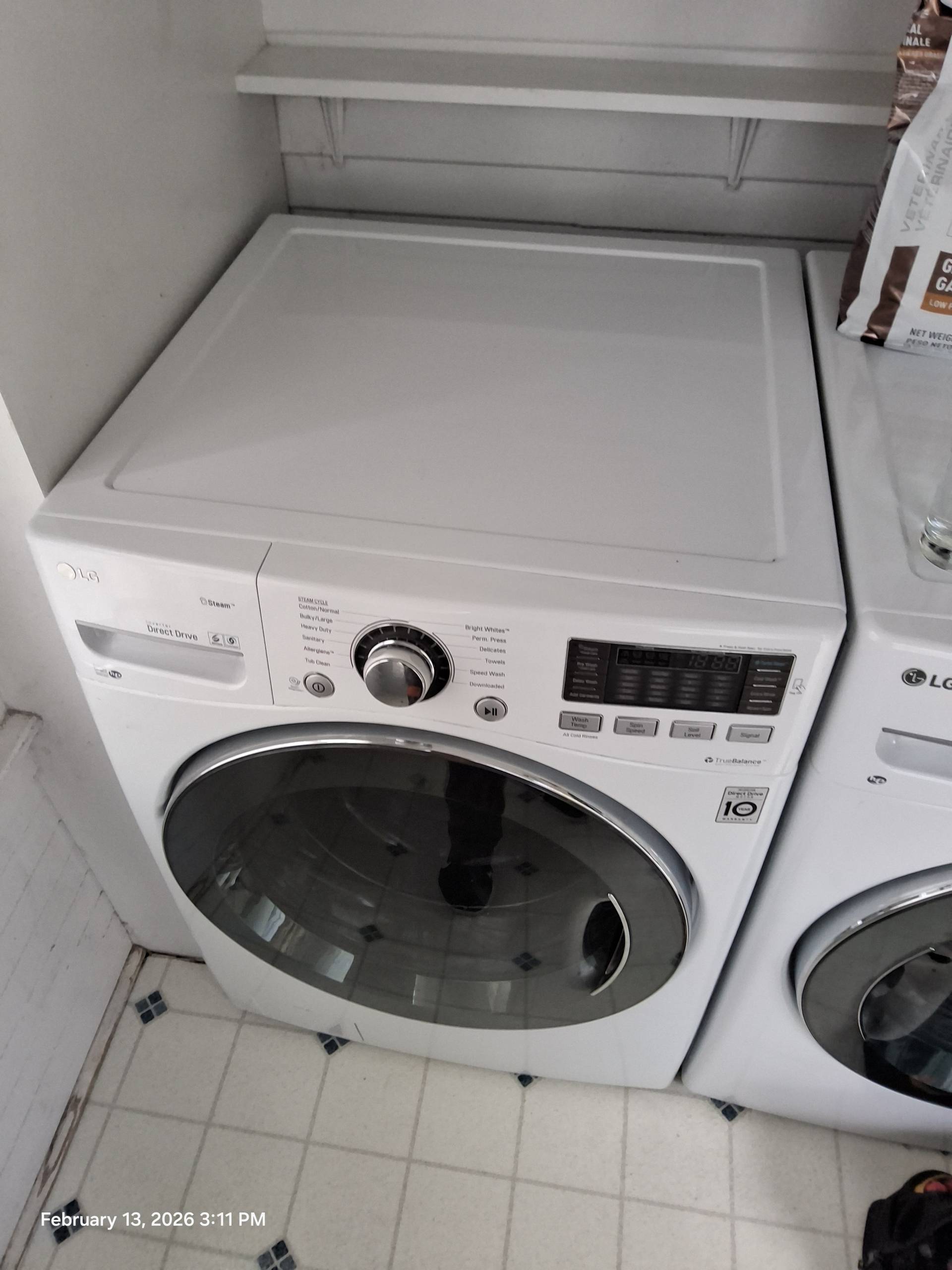
A washing machine that doesn’t heat water can turn a simple laundry task into a frustrating experience. Many modern washing machines rely on hot water for optimal cleaning, especially for heavily soiled clothes or hygienic washes. When your machine fails to heat water, it may leave clothes less clean, detergent less effective, or cycles longer than usual. Understanding the common causes of this problem can help you identify the issue and take action before it causes further damage.
1. Heating Element Failure
The heating element is the most common culprit when a washing machine doesn’t heat water. This component is responsible for raising the water temperature inside the drum to the desired level. Over time, heating elements can wear out due to mineral buildup, corrosion, or electrical issues. Signs of a failing heating element include:
- Water remaining cold even during a hot wash cycle
- A burning or metallic smell
- Machine error codes (depending on the model)
Replacing a faulty heating element usually requires professional assistance because it involves disconnecting electrical components and testing for continuity with specialized tools.
2. Faulty Thermostat
The thermostat monitors water temperature and signals the heating element to turn on or off. If the thermostat fails, it may prevent the water from heating at all or cause overheating. Symptoms of a bad thermostat include:
- Inconsistent water temperature during cycles
- Machine stops mid-cycle or displays temperature-related error codes
- Clothes not fully washed due to insufficient heat
Testing a thermostat requires a multimeter to check resistance and ensure it is functioning properly.
3. Malfunctioning Temperature Sensor
Modern washing machines often use electronic temperature sensors rather than mechanical thermostats. A faulty sensor can misread the water temperature, sending incorrect signals to the control board and preventing the heating element from activating. Signs of a sensor problem include cycles completing too quickly, cold washes when hot water is selected, and error messages related to temperature.
4. Defective Control Board
The control board acts as the “brain” of your washing machine, regulating all functions, including water heating. A defect in the board may prevent it from sending power to the heating element. Control board failures are less common but can be expensive to repair. Indicators of a failing control board include:
- Multiple functions malfunctioning simultaneously
- Error codes that persist even after replacing other components
- Intermittent heating or inconsistent cycle performance
Diagnosing a control board issue usually requires a trained technician who can test voltage outputs and inspect for visible damage, such as burned traces or faulty relays.
5. Broken Door Lock or Lid Switch
Some washing machines are designed with a safety feature that prevents heating if the door or lid is not securely closed. If the door lock or lid switch is defective, the machine may not heat water even if the heating element is fully functional. Common signs include:
- The cycle starts but water stays cold
- The machine pauses or stops unexpectedly
- Indicator lights or error codes related to door/lid
Replacing a faulty door lock or lid switch is generally straightforward but should be done carefully to avoid damaging the locking mechanism or control panel.
6. Issues With Power Supply or Wiring
Electrical problems can also prevent a washing machine from heating water. A loose connection, damaged wire, or blown fuse may disrupt the flow of electricity to the heating element. Indicators of electrical issues include:
- Partial functionality (e.g., drum spins, water fills, but no heating)
- Tripping breakers when the machine operates
- Visible signs of burnt wiring or smell of electrical burning
Addressing electrical problems is critical for safety and requires professional evaluation. Attempting DIY repairs without proper knowledge can be dangerous.
7. Water Inlet Problems
Although less common, issues with the hot water supply itself may mimic heating problems. If the machine relies on external hot water and the supply is interrupted or valve is clogged, the water entering the drum will remain cold. Symptoms include:
- Cold water only, regardless of cycle settings
- Slow fill or inconsistent water temperature
Checking water inlet valves and ensuring proper hot water pressure may resolve the issue without replacing internal components.
Safety Risks
A washing machine that fails to heat water can pose safety hazards. Faulty heating elements or wiring can lead to short circuits or electrical fires. Leaks caused by damaged components can increase the risk of water damage and create slippery floors. Attempting to operate a machine with malfunctioning electrical parts is unsafe and should be avoided.
If your washing machine isn’t heating water, it could be caused by a defective heating element, thermostat, temperature sensor, control board, lid switch, wiring, or hot water supply. Diagnosing the problem requires careful testing and technical expertise.
For a reliable solution, contact HOME APPLIANCE SERVICE CENTER. Our certified technicians provide thorough inspections, safe repairs, and genuine replacement parts to restore your washing machine to proper working order. Don’t let cold washes ruin your laundry—schedule professional service today.
Contact us
(619) 928-5000