619-928-5000
  Request Service
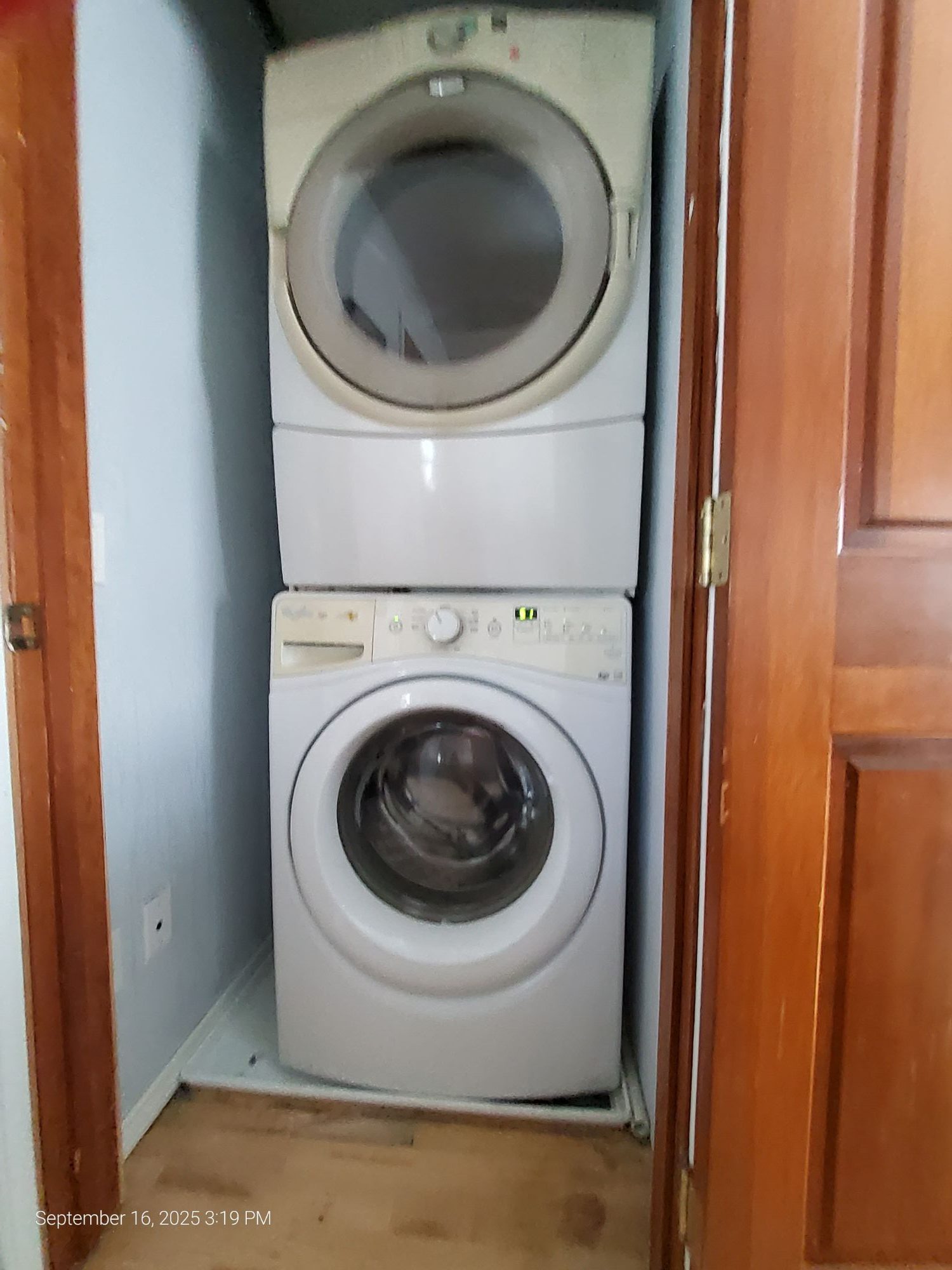
Washing machines have become an essential part of modern life, simplifying laundry routines and ensuring clothes are clean and fresh with minimal effort. Most users expect consistent performance regardless of the wash cycle they select, but a surprising number of machines experience a drop in efficiency specifically during cold wash programs. While it may seem like a minor inconvenience, the underlying problem often points to a temperature sensor malfunction — a fault that is easy to overlook but can have significant effects on cleaning performance and appliance longevity.
Understanding Cold Wash Cycles
Cold washes have gained popularity due to their energy-saving benefits and gentleness on fabrics. Unlike hot or warm cycles, cold washes rely on detergent chemistry and mechanical action rather than high water temperatures to remove dirt and stains. For the washing machine to perform optimally, it must accurately monitor and adjust water temperature. This is where the temperature sensor, also known as a thermistor, plays a critical role.
The sensor ensures that the machine responds appropriately to user settings and environmental conditions. If the sensor provides incorrect readings, the machine may fail to mix water properly, miscalculate cycle duration, or use inefficient agitation patterns. In practice, this leads to clothes that may appear only partially cleaned or retain detergent residues — even if the machine is otherwise in perfect condition.
Why Cold Washes Are More Vulnerable
While hot and warm washes generate their own heat through internal heaters, cold washes rely on precise water management and mechanical processes. Any deviation in the temperature sensor’s readings has a proportionally greater impact on cold washes than on hot washes. This is why many users notice a problem only when running cold cycles.
Common symptoms include:
- Clothes not coming out as clean as expected
- Detergent residues remaining on fabrics
- Longer-than-usual cycle times
- Strange noises or pauses during washing
Many homeowners assume these issues are due to detergent quality or overloading, but when the problem occurs consistently in cold cycles, it is often a sensor issue.
The Hidden Sensor Fault
A temperature sensor issue is typically subtle. Thermistors gradually lose accuracy over time, especially in areas with hard water or frequent temperature fluctuations. This deterioration rarely triggers error codes, meaning the machine continues operating while underperforming. Unlike mechanical faults, the problem doesn’t make the machine noisy or visibly damaged, making it easy to ignore until cleaning efficiency noticeably drops.
Another factor is the washing machine’s software logic. Modern machines adjust agitation, spin speed, and cycle length based on sensor feedback. A faulty reading in cold water conditions can trick the system into using the wrong settings, further reducing washing performance.
Addressing the Problem
Repairing a faulty temperature sensor is usually straightforward for a trained technician but requires the right tools and diagnostic approach. Homeowners attempting DIY fixes risk damaging other components or voiding warranties. A professional can test the sensor, confirm whether it is reading accurately, and replace it if necessary. Once corrected, cold wash performance typically returns to normal, restoring both cleaning efficiency and cycle reliability.
Ignoring the issue, however, can lead to secondary problems. Detergent residues may build up inside the drum or pipes, promoting odors or mold growth. Repeated inefficient cycles also put unnecessary strain on the motor and other mechanical parts, potentially leading to more expensive repairs down the line.
Preventive Tips
While sensor faults are largely inevitable with age, there are steps homeowners can take to minimize the risk:
- Regular Maintenance: Schedule periodic inspections and cleaning for your washing machine.
- Water Quality: Use water softeners if your area has hard water to reduce mineral buildup.
- Avoid Overloading: Follow manufacturer recommendations for load sizes to prevent strain on the drum and sensor systems.
- Routine Checks: Monitor performance differences between hot, warm, and cold washes. Early detection often simplifies repairs.
Professional Service Recommendation
If your washing machine shows reduced performance exclusively during cold washes, it is highly likely that the temperature sensor requires inspection or replacement. Attempting to continue using the machine without addressing the issue may worsen cleaning performance and risk additional damage.
For fast, reliable, and professional service, contact HOME APPLIANCE SERVICE CENTER. Their experienced technicians can diagnose the issue, replace faulty components, and restore your washing machine’s performance quickly and efficiently. Don’t let a hidden sensor problem compromise your laundry — professional intervention is the key to maintaining optimal washing results and prolonging the life of your appliance.
Contact us