619-928-5000
  Request Service
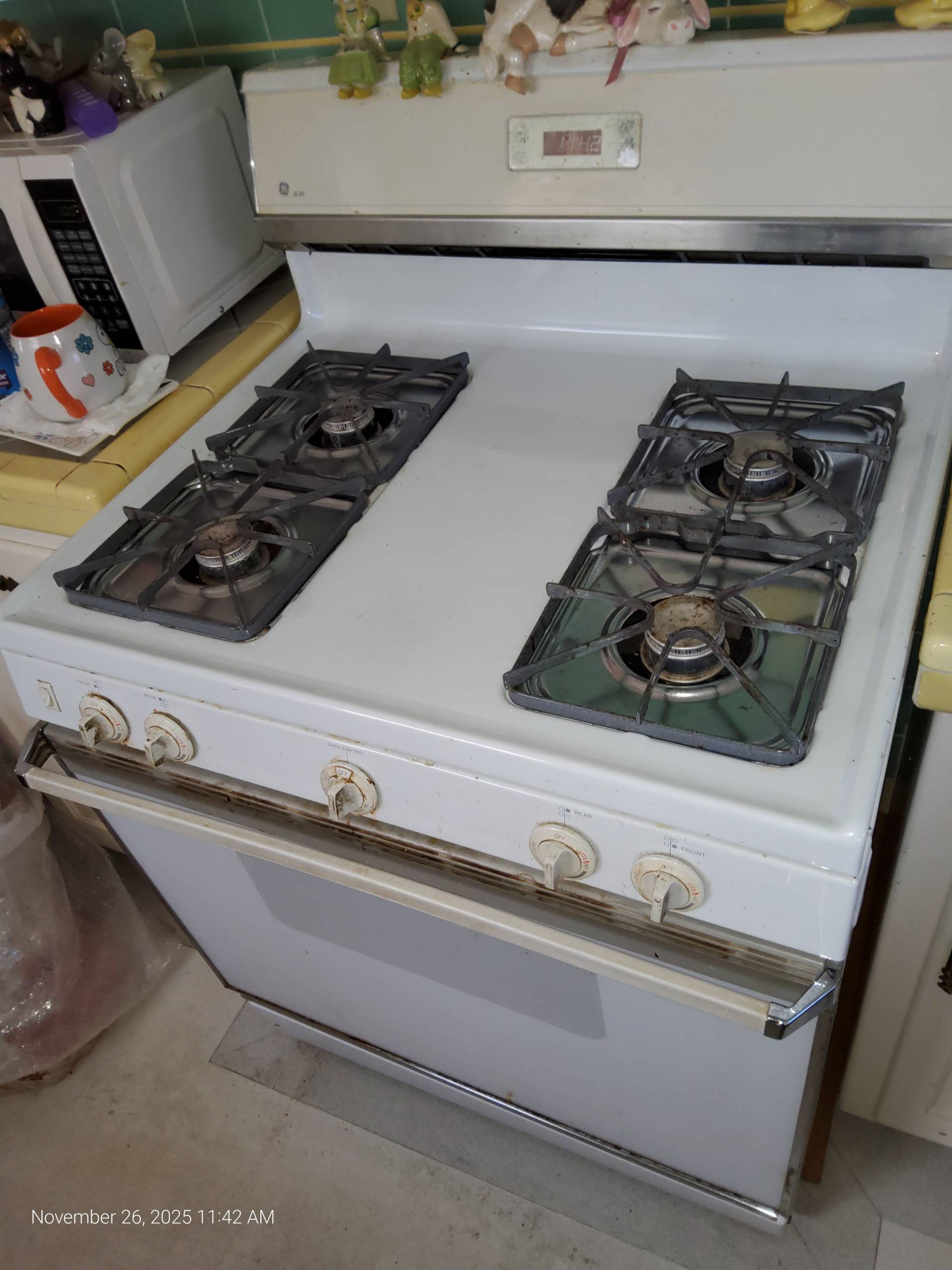
A gas stove that lights instantly but struggles to maintain a steady flame can be frustrating. While it may seem minor, fluctuations in flame strength can indicate issues that, if ignored, may affect both your cooking results and home safety. Understanding what causes these inconsistencies helps you address the problem early and maintain a reliable cooking appliance.
One common reason for a fluctuating flame is a clogged burner. Over time, food particles, grease, and debris can accumulate in the tiny ports where gas escapes. Even if the stove ignites immediately, restricted gas flow can cause the flame to flicker or weaken during cooking. This may result in uneven heat, longer cooking times, or partially cooked dishes.
Another factor is gas pressure instability. If the supply from your gas line fluctuates, it can affect how consistently your stove burns. This might be due to issues in the home’s gas line or a problem with the regulator that controls pressure entering the stove. Low or inconsistent pressure can cause the flame to shrink or change color, while unusually high pressure may make the flame flare unexpectedly.
Ventilation issues in the kitchen can also influence flame consistency. Drafts near the stove or inadequate airflow may cause the flame to sway or drop temporarily. While not as dangerous as a gas leak, this still affects cooking performance and may cause burners to extinguish unexpectedly.
Ignition system problems are another possible culprit. Even if the stove lights quickly, a weak spark or worn ignition module can fail to maintain a steady flame across all burners. This can result in some burners performing well while others fluctuate in strength, making it hard to achieve consistent cooking results.
Occasionally, the issue may lie in the stove’s internal components, such as gas valves or connectors. Wear and tear over time can cause partial blockages or leaks, reducing the flame’s strength. Left unaddressed, these mechanical problems may worsen and lead to higher energy consumption or potential safety hazards.
It’s important to address fluctuating flame issues promptly. Not only does it impact cooking efficiency, but it may also signal conditions that could become unsafe. Regular stove maintenance, such as cleaning burners and checking gas connections, can prevent many flame inconsistencies. However, some problems require professional expertise, especially if they involve gas pressure or internal components.
Signs that professional intervention is needed include flames that frequently die out, unusual smells of gas, irregular flame color (yellow or orange instead of blue), or sudden shifts in flame intensity without a clear cause. Attempting to repair these issues without proper training can be risky, as working with gas appliances requires specialized tools and safety protocols.
HOME APPLIANCE SERVICE CENTER specializes in diagnosing and fixing gas stove problems safely and efficiently. Their trained technicians can clean burners, inspect regulators, test gas lines, and replace worn components to restore a steady, reliable flame. With routine maintenance or timely repairs, you can ensure your stove performs optimally and safely for years to come.
In conclusion, a gas stove that lights instantly but exhibits inconsistent flame strength may seem like a minor inconvenience, but it can indicate clogged burners, gas pressure fluctuations, ignition problems, or worn internal components. Addressing these issues promptly prevents cooking disruptions and protects your home from potential hazards. Regular maintenance and professional inspection are the best ways to keep your stove reliable.
For peace of mind and safe cooking, contact HOME APPLIANCE SERVICE CENTER today to schedule a service appointment. Don’t let a flickering flame disrupt your kitchen — ensure your stove works perfectly every time you cook.
Contact us