619-928-5000
  Request Service
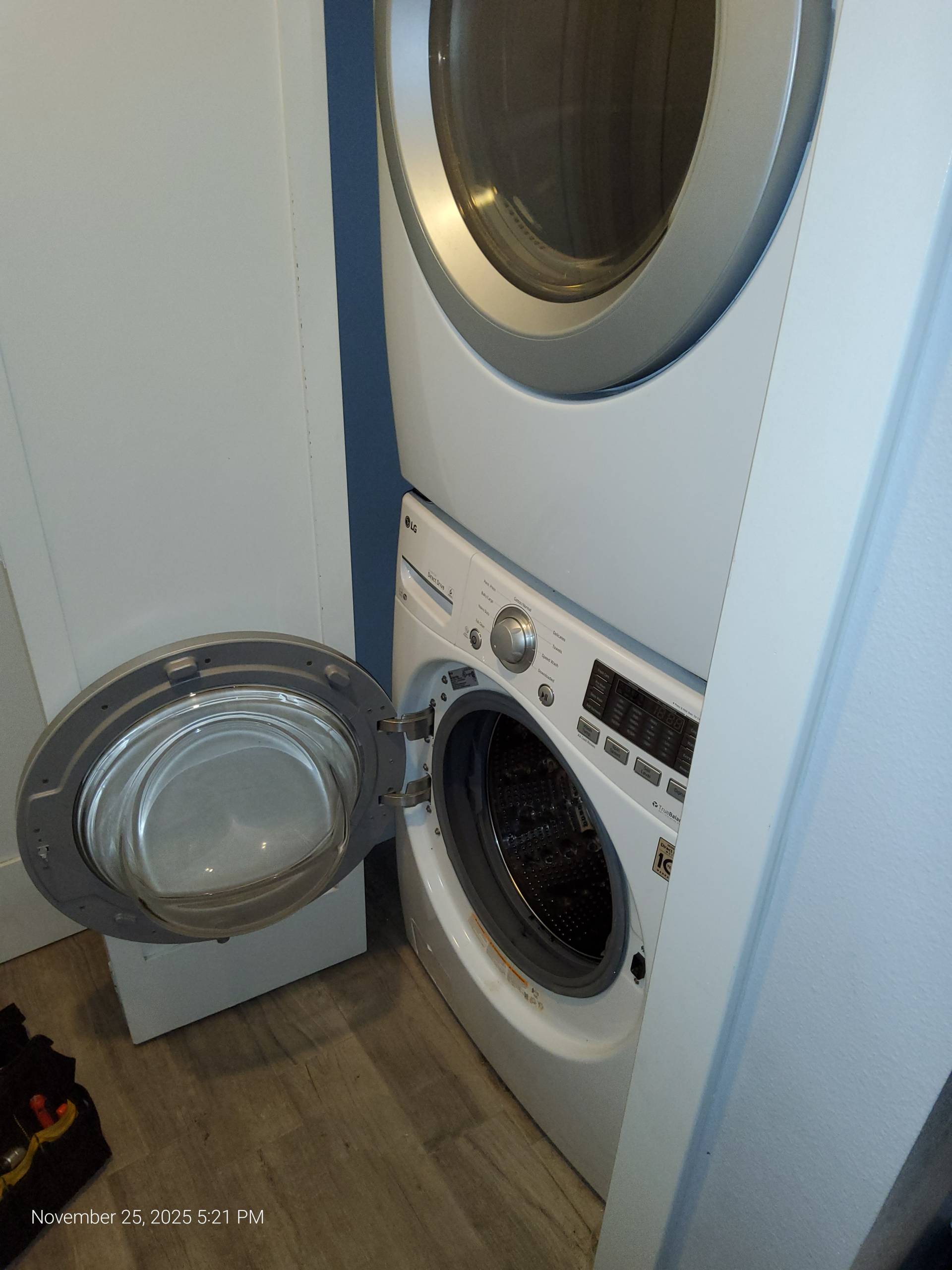
Modern washing machines are marvels of engineering. They balance speed, water usage, and energy efficiency, all while keeping your clothes clean and fresh. But sometimes, even the most advanced machines can develop subtle issues that affect performance without immediately stopping the cycle. One problem that often goes unnoticed is when the washer runs smoothly but the load distribution changes mid-cycle. This is typically caused by an adaptive control issue—an internal system designed to adjust the drum’s movements based on load weight, fabric type, and water level.
Adaptive control systems in washers are meant to enhance performance. Sensors monitor the load, ensuring that the drum spins evenly, reducing vibration, and preventing clothes from clumping. These systems also adjust water levels and spinning speed to protect delicate fabrics while optimizing energy use. Essentially, they allow the machine to “think” about the best way to handle your laundry.
However, when adaptive control malfunctions, the washer may behave unpredictably. You might notice the load shifting during spinning, sometimes causing the drum to rock or vibrate more than usual. Clothes may not tumble as evenly, leaving some sections wetter than others. Over time, this uneven agitation can lead to increased wear on fabrics and even damage to the drum bearings. In more severe cases, repeated imbalance can trigger the washer’s safety systems, halting the cycle entirely.
One key indicator of adaptive control issues is the inconsistency in load distribution between cycles. For example, you might load your machine with a mix of heavy towels and light t-shirts. During the initial stages, the drum spins evenly, but midway through the spin cycle, the heavier items shift to one side. This uneven distribution forces the washer to compensate, often resulting in extra noise, vibrations, or interrupted spin cycles. Unlike a simple overload or uneven loading problem, this is caused by the machine’s control system misreading the load and adjusting incorrectly.
Another sign to watch for is performance variability. One day, a medium-sized load might wash perfectly; the next, a similar load might leave spots of water or detergent residues. If your washer consistently struggles to balance loads that it previously handled without issue, adaptive control may be the culprit.
It’s important to understand that this is not a problem you can fix by simply redistributing clothes. Unlike traditional balance issues, which can often be solved by rearranging items manually, adaptive control faults are internal and require professional diagnostics. Attempting to forcefully adjust the drum or tamper with the electronics can lead to further damage and may void your warranty.
So what causes adaptive control issues? Several factors can contribute:
- Sensor malfunctions: Washers rely on multiple sensors to detect load weight, drum speed, and water levels. If a sensor provides inaccurate readings, the control system may overcompensate or fail to respond correctly.
- Software glitches: Modern washers often include microprocessor-based control boards. Firmware errors or corrupted software can interfere with the adaptive algorithms that govern load distribution.
- Wear and tear: Over time, drum bearings, suspension springs, and shock absorbers can degrade. Even minor mechanical wear can disrupt the feedback loop the adaptive system relies on, causing it to misjudge load positioning.
- Electrical issues: Loose connections, moisture intrusion, or voltage fluctuations can cause intermittent failures in the adaptive system, resulting in mid-cycle load shifts.
Addressing an adaptive control problem requires professional inspection. Technicians will test sensors, examine the control board, and assess the mechanical condition of the drum and suspension system. Once the source of the problem is identified, they can replace faulty components, update software, or recalibrate the system to restore proper operation.
While it may seem like a minor annoyance at first, leaving this issue unresolved can lead to bigger problems. Clothes may wear unevenly, the washer may consume more water or electricity than necessary, and persistent vibration can damage flooring or nearby appliances. Prompt service not only restores efficiency but also prolongs the lifespan of your washer, saving money and preventing future headaches.
At HOME APPLIANCE SERVICE CENTER, our experienced technicians specialize in diagnosing and repairing adaptive control issues. We understand how important a reliable washing machine is to your daily routine. Whether your washer is relatively new or has been in service for years, we can restore its performance, ensuring smooth, even washing and spinning cycles.
Don’t let hidden control issues compromise your laundry results. Contact HOME APPLIANCE SERVICE CENTER today to schedule a service appointment. Our team will inspect your washer, identify the problem, and implement precise repairs to get your appliance running like new. Protect your investment, extend the life of your washer, and enjoy consistently clean, well-balanced laundry every time.
Contact us