619-928-5000
  Request Service
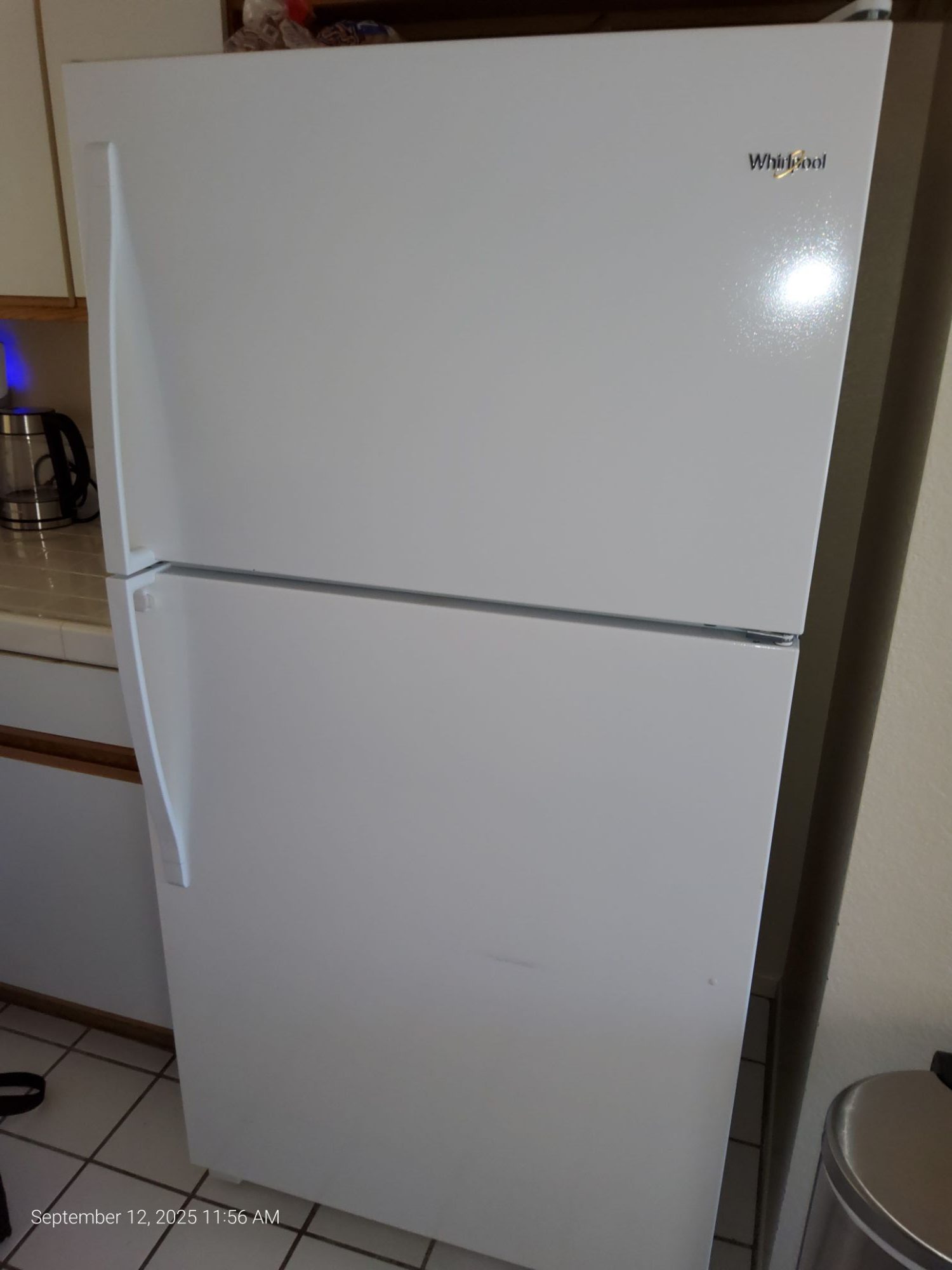
A refrigerator is designed to be one of the quietest appliances in your home. It runs continuously, day and night, to keep food at a safe temperature. But many homeowners notice something strange: during nighttime hours, when the house is finally calm, the refrigerator starts making unusual or louder noises. Buzzing, humming, rattling, clicking, or even knocking sounds suddenly become more noticeable. Why does this happen, and should you be concerned?
The truth is that increased nighttime noise isn’t random. It’s often tied to the refrigerator’s internal mechanisms, temperature cycles, and components that become more audible when the surrounding environment gets quiet. But sometimes, these noises point to hidden mechanical issues that need immediate professional attention.
Below is a breakdown of what really happens behind the scenes.
1. Your Refrigerator Works Harder at Night
When the ambient temperature drops in your home during the night, your refrigerator compensates automatically. Many models are designed to activate longer cooling cycles when the temperature in the kitchen decreases. This can make the compressor run more frequently or for longer intervals.
A louder compressor may indicate issues such as:
- Worn internal bearings
- Failing compressor motor
- Blocked refrigerant lines
- Low refrigerant levels
A healthy compressor produces a steady, low hum. However, if it becomes significantly louder or starts clicking repeatedly at night, this can signal a mechanical decline that requires service.
2. Thermal Expansion and Contraction Creates Noise
As temperatures shift, refrigerator materials expand and contract. Plastic panels, metal coils, and internal ducts adjust themselves as cold air flows through them. During the day, these sounds blend into general background noise. At night, they suddenly become noticeable.
Normal thermal noises include:
- Light popping
- Soft clicking
- Occasional tapping
But persistent cracking, sharp popping, or loud snaps may indicate loose components or worn mounting brackets inside the fridge.
3. The Evaporator Fan Works Overtime
Inside your unit, the evaporator fan circulates cold air through the compartments. When the door hasn’t been opened for hours at night, the system rebalances airflow, causing the fan to run more than usual.
Common fan-related noises include:
- Whirring
- High-pitched squealing
- Scraping from a blade rubbing against ice
- Rattling from a loose fan motor
If ice buildup surrounds the evaporator fan, the noise can escalate dramatically, especially during the quietest hours of the night. This often signals a defrost system failure.
4. Ice Maker and Water Line Activity
Even if you never think about it, the ice maker resets, refills, and cycles during the night. Its mechanisms can make clicking, knocking, dripping, or humming sounds. A clogged or partially frozen water line makes these noises even louder.
If you hear:
- Loud knocks
- Rapid clicks
- Harsh buzzing during ice refill
…it may indicate a failing water valve or restricted water supply.
5. The Condenser Fan and Coils Collect Dust
Another hidden cause appears near the bottom or back of your refrigerator. Dust and debris on condenser coils force the system to work harder. When the condenser fan becomes obstructed or worn out, it can produce an unusually loud nighttime rumble.
Signs of condenser issues include:
- Deep vibrating sounds
- Rattling
- Pulsating humming
- Sudden loud bursts when the fan turns on
Ignoring these symptoms can lead to overheating, reduced cooling efficiency, and compressor damage.
6. Vibrations Against Nearby Surfaces
Sometimes the noise isn’t coming from a failing component at all. A refrigerator that isn’t perfectly level or sits too close to cabinets or the wall can vibrate against them. At night, these vibrations sound louder due to the absence of competing noise.
If the fridge shakes, rattles, or vibrates intensely, it may need leveling or internal inspection to ensure no components have loosened.
When Noise Is a Warning Sign
Occasional nighttime sounds can be normal. But you should call a technician if:
- The noise becomes significantly louder over time
- You hear grinding, scraping, or knocking
- The fridge stops cooling effectively
- You notice temperature fluctuations
- Frost or water appears where it shouldn’t
- The compressor runs constantly
These are indicators of mechanical failure that can quickly lead to expensive repairs if ignored.
Don’t Wait for the Problem to Get Worse
Your refrigerator is a vital part of your home. Continuous loud noise is one of the earliest warnings that something inside is not functioning as it should. A professional technician can quickly diagnose whether the issue is minor—such as a blocked fan—or serious, such as a failing compressor or defrost system malfunction.
If your refrigerator suddenly gets noisy at night, don’t assume it is normal. Hidden mechanical issues often reveal themselves through sound long before performance begins to decline.
For fast, reliable, and expert diagnosis, contact HOME APPLIANCE SERVICE CENTER. Our specialists will inspect your refrigerator, eliminate the noise source, and restore quiet, efficient cooling to your home. Call today to schedule your service appointment.
Contact us