619-928-5000
  Request Service
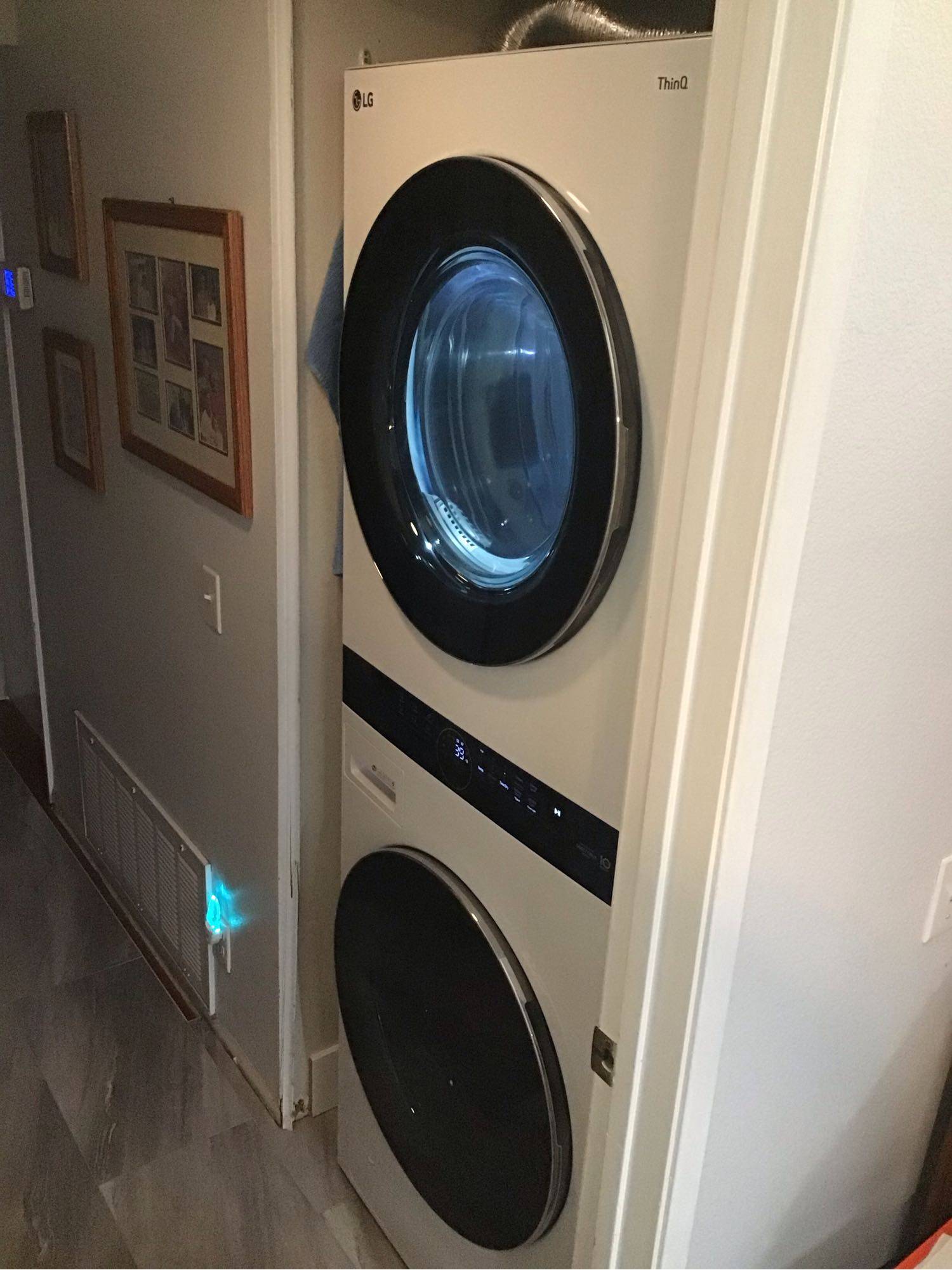
It is a frustrating scenario: you load your laundry, select the cycle, and press start. You hear the water rushing in, but just as the drum begins to turn, the drain pump kicks into high gear and flushes it all away. Your machine is stuck in a loop, and your clothes remain unwashed. This phenomenon, often called “siphoning,” is a common plumbing and mechanical issue that can happen to both brand-new and older machines. Understanding the root causes can help you determine whether you need a quick DIY fix or a professional technician.
THE SIPHONING EFFECT: IMPROPER DRAIN HOSE INSTALLATION
The most frequent cause of a washing machine filling and draining simultaneously is the “siphoning effect.” This occurs when the physical laws of gravity and pressure work against your appliance. If the drain hose is not installed correctly, a vacuum is created that pulls water out of the machine as fast as the inlet valve lets it in.
For most modern washing machines, the drain hose must be elevated to a specific height—usually between 60 and 100 centimeters from the floor—before it enters the standpipe. If the hose is laying flat on the ground or is inserted too deeply into the drain pipe, the water level in the drum will never reach the necessary height to trigger the wash cycle. Instead, the water simply flows over the “hump” of the hose and down the drain. To fix this, ensure your hose is secured with a “U-bend” plastic guide and is not pushed more than 15 centimeters into the standpipe.
FAULTY PRESSURE SWITCH OR WATER LEVEL SENSOR
Inside your washing machine is a small but vital component known as the pressure switch (or water level sensor). Its job is to tell the machine’s control board exactly how much water is in the drum. It works via a thin tube that builds air pressure as the water rises.
If this tube is clogged with hair, lint, or detergent residue, the sensor may send a “tank full” signal to the brain of the machine prematurely. Conversely, if the sensor itself has an electrical fault, the machine may panic and trigger the drain pump as a safety precaution to prevent a flood. When the sensor fails, the machine enters a protective mode, constantly draining to ensure no water escapes onto your floor.
INLET VALVE LEAKAGE
The water inlet valve is the gateway that allows water into the machine. It is controlled by electric solenoids. If one of these solenoids becomes “sticky” or if there is a build-up of limescale, the valve may not close completely.
In some cases, the machine detects that water is entering even when it hasn’t commanded it to. As a countermeasure, the electronic controller activates the drain pump to maintain equilibrium. If you see water trickling into the drum even when the machine is turned off, the inlet valve is almost certainly the culprit and requires replacement.
ELECTRONIC CONTROL MODULE ERRORS
The control module (the PCB) is the brain of the appliance. Like any computer, it can suffer from “glitches” or hardware failure. If the relays that control the drain pump become shorted, the pump may stay powered on the entire time the machine is plugged in.
Electronic failures are often caused by power surges or moisture getting into the control panel. If you have checked the plumbing and the sensors and the problem persists, the issue likely lies within the delicate circuitry of the motherboard. This is a complex repair that involves diagnostic tools to verify which component on the board has failed.
THE DANGERS OF DELAYING REPAIR
Ignoring this problem doesn’t just result in dirty laundry; it can lead to significantly higher utility bills. A machine that fills and drains constantly can waste hundreds of liters of water in a single “failed” cycle. Furthermore, the drain pump and inlet valves are not designed to run continuously for hours. Prolonged exposure to this “loop” can burn out the pump motor, leading to a much more expensive repair bill than if the initial issue had been addressed promptly.
PROFESSIONAL SOLUTIONS FOR PIECE OF MIND
While some hose adjustments can be done at home, electrical faults and internal component failures require professional expertise. Modern appliances are packed with sensitive electronics that can be easily damaged by improper handling.
If your washing machine is acting up, don’t let your laundry pile up or risk a kitchen flood. Contact the experts who understand the intricate mechanics of your appliance. Whether it is a simple siphoning issue or a complex control board failure, we have the tools and parts to get your household back on track.
CALL TO ORDER SERVICES FROM HOME APPLIANCE SERVICE CENTER TODAY FOR FAST AND RELIABLE REPAIRS
Contact us