619-928-5000
  Request Service
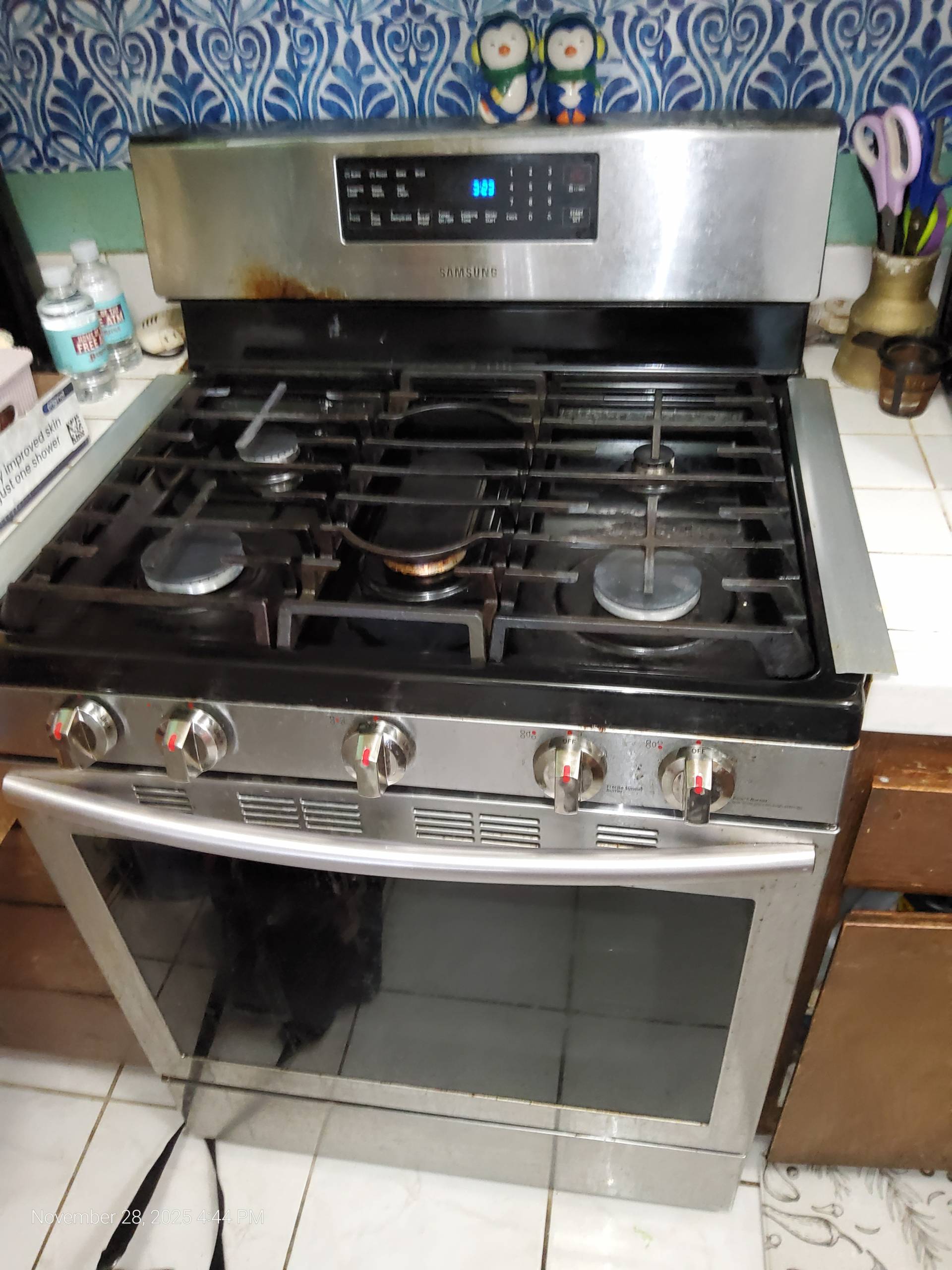
A modern cooktop is designed for precision. You turn the dial or tap the controls, and the burners react immediately. At first glance, everything seems fine. However, over time, many homeowners notice a subtle but frustrating problem: despite the immediate response, the actual heat doesn’t match the settings. High heat might barely simmer, or a medium setting may boil aggressively. This invisible flaw is what appliance experts call a heat regulation defect, and it’s more common than most users realize.
The signs of a heat regulation problem can be tricky to detect. You might notice that water boils faster on a low setting than expected or that delicate sauces scorch even when the flame appears low. Some users dismiss these inconsistencies as a normal part of the cooktop “aging,” assuming their appliance has lost efficiency over time. While it’s true that some performance changes occur with age, inaccurate heat regulation is usually a repairable mechanical or electronic issue, not a symptom of general wear.
Understanding why this happens requires a brief look at how cooktops work. Electric and gas cooktops rely on sensors and control modules to regulate the temperature of each burner. On electric cooktops, this involves resistive heating elements and thermostats. Gas cooktops depend on the flow of gas controlled by valves and sometimes electronic ignition systems. Over time, these components can drift out of calibration. Thermostats may misread temperatures, valves can stick, and electronic boards can develop faults. The result is a cooktop that responds instantly to input but delivers inconsistent heat.
Many users don’t notice the problem until it affects cooking quality. Baking delicate pastries, melting chocolate, or simmering sauces requires precise temperatures. When the cooktop overshoots or undershoots, results can range from unevenly cooked meals to burnt or undercooked dishes. Even experienced cooks can misinterpret the problem, thinking the recipe or ingredients are to blame.
Ignoring a heat regulation defect can also affect safety. On gas cooktops, uneven heat can increase the risk of flare-ups or create incomplete combustion, releasing more carbon monoxide than usual. Electric cooktops with faulty thermostats may overheat, damaging the cooktop surface or nearby cookware. While these risks are relatively rare, they illustrate why a seemingly minor inconsistency should not be overlooked.
The good news is that a professional service can usually identify and correct the issue quickly. Skilled technicians at appliance service centers can test each burner, evaluate sensor and control board performance, and replace or recalibrate components as needed. In many cases, this restores your cooktop to the precise, reliable operation it had when new.
Waiting too long, however, can make repairs more costly. Repeated overheating or irregular gas flow can damage internal components beyond simple calibration adjustments. Catching the defect early not only ensures better cooking results but also extends the life of your appliance.
If you’ve noticed that your cooktop reacts instantly but seems to misjudge heat levels, don’t ignore it. Contact a professional appliance repair service to diagnose and fix the underlying issue. A precise, reliable cooktop makes cooking safer, easier, and more enjoyable, and can save you money by avoiding wasted energy and ruined meals.
HOME APPLIANCE SERVICE CENTER specializes in diagnosing and repairing cooktop heat regulation defects. Our technicians have years of experience with both gas and electric cooktops, ensuring fast, professional service that restores your appliance to optimal performance. Don’t let a hidden defect disrupt your cooking—schedule your service today and bring precision back to your kitchen.
Contact us