619-928-5000
  Request Service
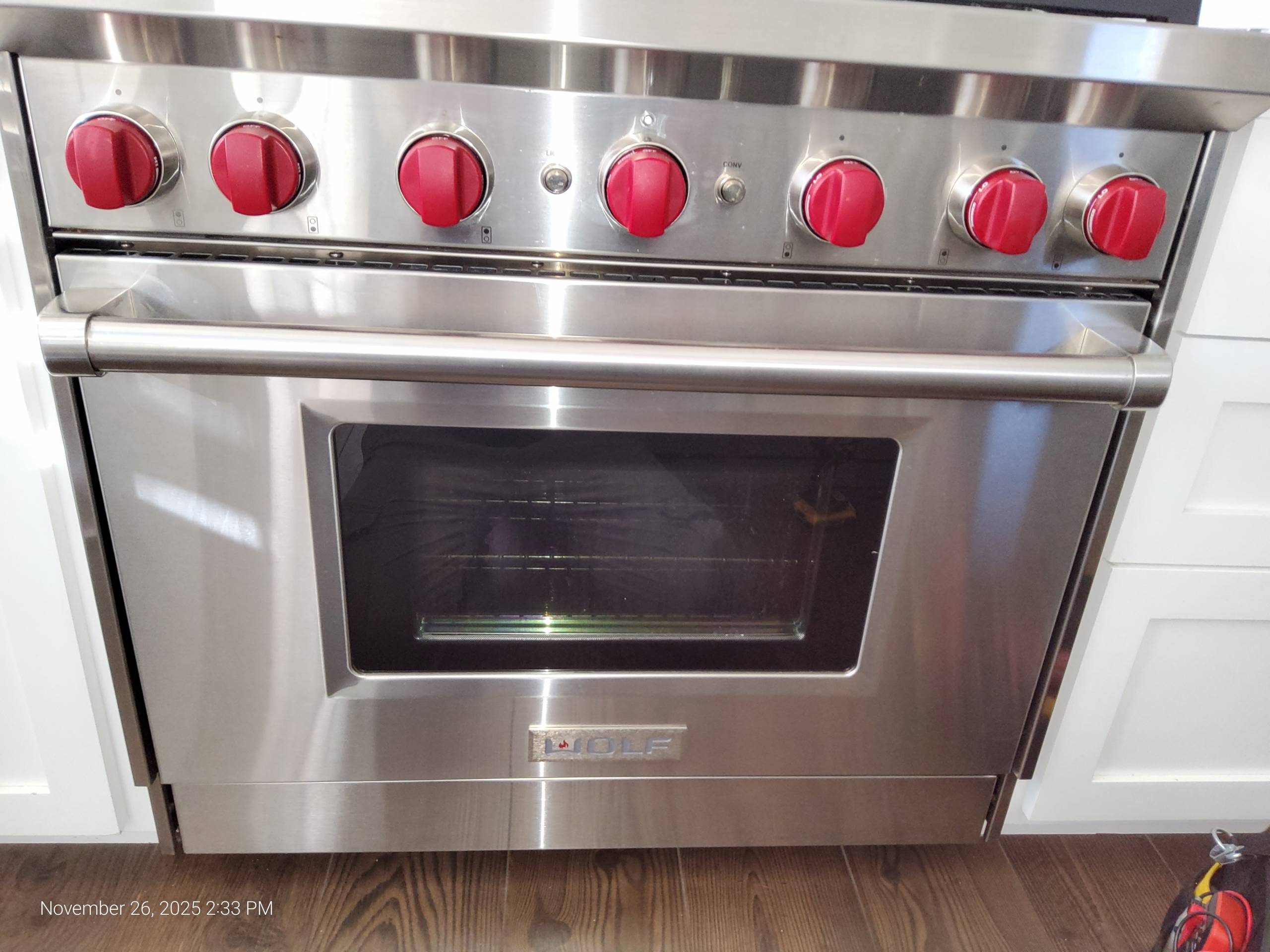
Baking is as much a science as it is an art. Precision matters, from measuring ingredients to setting the correct temperature. But even when you set your oven perfectly, you may notice a frustrating pattern: cookies on the top rack burn slightly, while the bottom ones remain undercooked. Your oven’s thermometer might indicate that the temperature is stable, yet results differ across racks. Understanding why this happens and how to address it can save you time, ingredients, and stress.
Why Ovens Can Be Uneven
Even modern ovens are not immune to temperature inconsistencies. Several factors contribute to uneven heating:
- Heating Element Placement – Most ovens use heating elements at the top and bottom. Depending on the model, one element may be more powerful than the other, creating hot spots. This is especially common in ovens with separate broil and bake elements.
- Air Circulation – In conventional ovens without fans, heat rises naturally, which can make the top hotter than the bottom. Convection ovens improve airflow with fans, but even these can have subtle differences depending on fan efficiency and duct placement.
- Rack Positioning – The distance from the heating elements matters. Items placed too close to the top may brown too quickly, while those near the bottom may cook more slowly. Understanding your oven’s “hot zones” can make a difference.
- Door Usage – Every time the oven door is opened, heat escapes, which can create temporary temperature fluctuations. If your recipes require precise baking times, even brief door openings can affect results.
- Wear and Tear – Over time, heating elements lose efficiency, insulation may degrade, and thermostats may drift. These subtle changes can cause uneven cooking, even if the oven seems to maintain temperature on its display.
Why Uneven Baking Matters
Uneven baking isn’t just a minor inconvenience. It can have a real impact on food quality and even safety. For example:
- Texture Issues – Cakes may rise unevenly, bread may be dense in some areas, and cookies may have inconsistent chewiness.
- Flavor Differences – Uneven browning can alter the flavor profile of baked goods. Burnt edges or undercooked centers reduce the intended taste and aroma.
- Food Safety – In certain recipes, such as custards or meat-based dishes, uneven heat can leave parts undercooked, which poses health risks.
- Wasted Ingredients – Constantly adjusting recipes or tossing unevenly baked goods can increase waste, which is costly over time.
How to Diagnose the Problem
Before calling for service, there are steps you can take to check if your oven is performing as it should:
- Use an Oven Thermometer – Place it on different racks and at multiple spots to detect hot and cold zones. This simple step often reveals discrepancies not visible on digital displays.
- Conduct a Water Test – Place small, identical oven-safe bowls of water on different racks and heat them. Measure the water temperature after the same cooking time. Differences indicate uneven heating.
- Observe Baking Patterns – Track which racks consistently overcook or undercook items. Note if specific recipes or cookware types exacerbate the problem.
Solutions and Best Practices
Even if your oven has minor hot spots, you can improve results with simple strategies:
- Rotate Racks and Pans – Switching the position of trays midway through baking can help compensate for uneven heat.
- Use Convection Mode – If your oven has a fan-forced convection setting, it can help distribute heat more evenly.
- Adjust Rack Placement – For sensitive items, position them in the center where heat is typically most consistent.
- Avoid Overcrowding – Leaving space between pans allows air to circulate freely, reducing hot spots.
- Check Seals and Gaskets – Worn door seals can let heat escape, causing inconsistent temperatures.
When to Call a Professional
If uneven baking persists despite following best practices, your oven may need professional attention. Common issues requiring expert service include:
- Malfunctioning heating elements
- Faulty thermostats
- Worn insulation or internal components
- Fan or airflow problems in convection ovens
Home Appliance Service Center provides expert diagnosis and repair to restore your oven to peak performance. Their technicians ensure accurate temperatures across all racks, so you can bake with confidence, whether it’s bread, cakes, or delicate pastries. Don’t let inconsistent results ruin your culinary efforts — professional service can save time, ingredients, and frustration.
Maintaining your oven is not just about extending its lifespan; it’s about consistent, reliable results every time you bake. If you notice your oven isn’t performing as expected, schedule a service appointment today with HOME APPLIANCE SERVICE CENTER and bring back even, predictable heat to every rack.
Contact us