619-928-5000
  Request Service
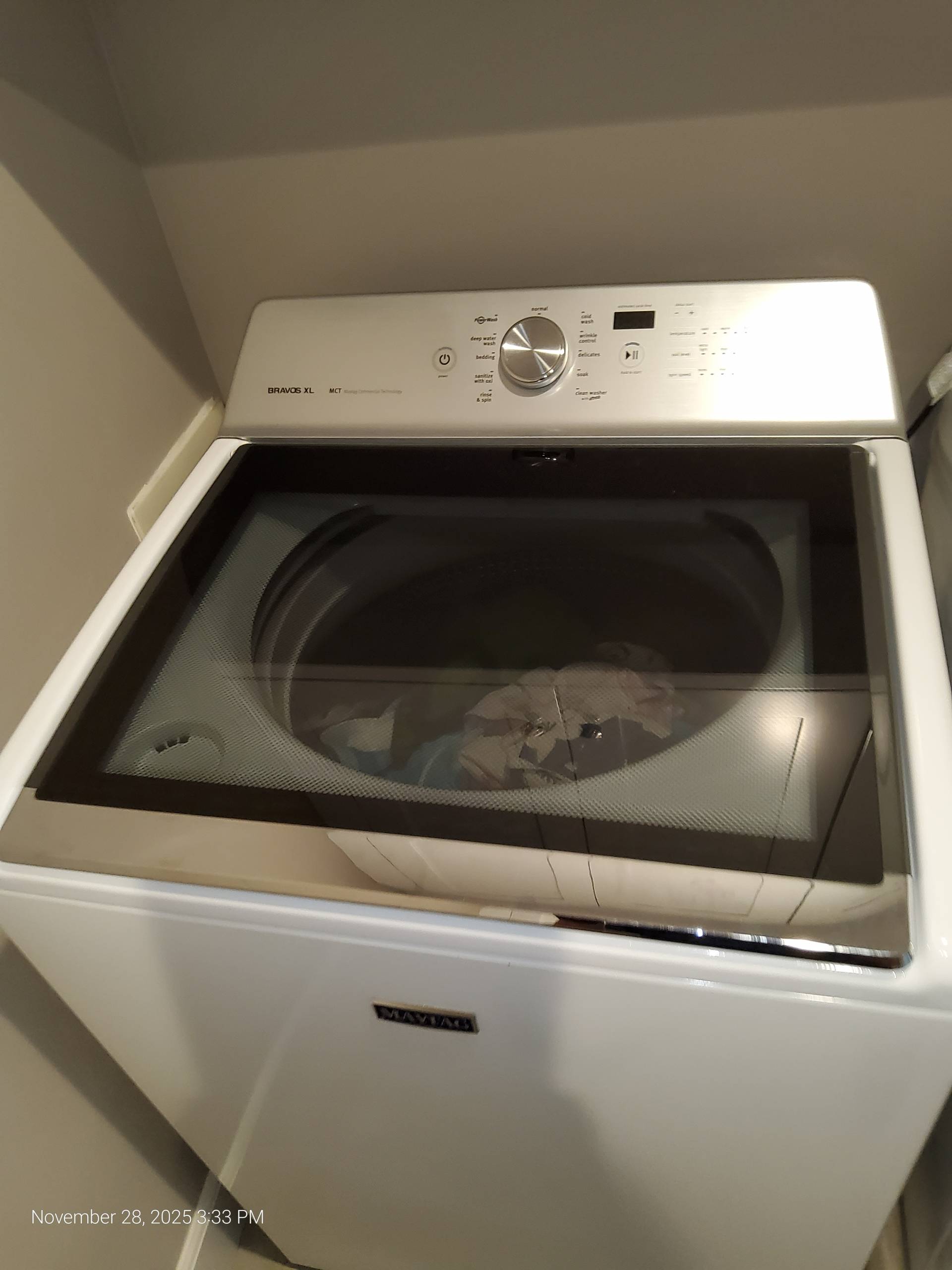
Many households rely heavily on washing machines to keep up with the demands of modern life. From busy weekday routines to weekend laundry marathons, a washing machine is expected to handle varying load sizes without affecting performance. However, one problem that often goes unnoticed until it becomes frustrating is capacity miscalculation — when your washing machine handles small loads perfectly but struggles with larger weekend loads.
This issue can manifest in several ways. On weekdays, when loads are smaller, your machine may seem flawless: clothes are washed efficiently, cycles finish on time, and detergents are fully utilized. Come the weekend, when larger loads pile up, you might notice longer wash times, incomplete rinses, or even unusual noises. Despite appearing fully functional, the appliance may be silently struggling under the weight of overestimated capacity.
Why Capacity Miscalculation Happens
Washing machines are designed with a rated capacity, often expressed in kilograms of dry laundry. Manufacturers calculate this based on ideal test conditions, such as evenly distributed laundry, optimal water levels, and precise detergent usage. Real-world use, however, is rarely ideal. Overloading the drum — a common habit on weekends when families attempt to wash all their clothes at once — forces the machine to work harder than its design allows.
Additionally, the machine’s sensors may misinterpret the load. Many modern machines use weight or water-level sensors to determine the size of the load. When these sensors underestimate the load, the washing machine may fail to adjust the cycle duration, water intake, or drum rotation speed accordingly. This can lead to partially cleaned clothes, excessive wear on fabrics, or even mechanical strain on the motor and suspension system.
Signs of Capacity Miscalculation
Recognizing the signs early can prevent long-term damage. Common indicators include:
- Longer Wash Cycles: The machine takes significantly more time to complete weekend loads compared to weekday loads of similar items.
- Uneven Cleaning: Certain areas of laundry remain soiled or detergent residues linger.
- Excessive Vibrations: Larger loads can cause drum imbalance, resulting in rattling or shaking during high-speed spins.
- Frequent Error Codes: Modern machines may display error codes when the system detects an overload or water-level mismatch.
- Wear and Tear on Fabrics: Overcrowding prevents clothes from tumbling freely, causing fibers to stretch or fray.
Impact of Ignoring the Issue
Many people ignore these subtle signs until a major breakdown occurs. Overloading a washing machine consistently can reduce its lifespan, increase energy consumption, and even void warranties. Moreover, inefficient cleaning may lead to multiple re-washes, further stressing the appliance and wasting water and electricity.
Solutions and Best Practices
The first step in preventing capacity miscalculation issues is understanding your machine’s true limits. Refer to the manufacturer’s instructions for recommended load sizes. Avoid the temptation to cram in extra laundry on weekends. If a large load is unavoidable, consider splitting it into two or more cycles.
Proper distribution of laundry is equally important. Unevenly distributed clothing can cause drum imbalance, reducing washing efficiency and stressing internal components. Using mesh laundry bags for small items can help balance loads and prevent tangling.
Regular maintenance also plays a role. Cleaning filters, checking drum suspension, and inspecting sensors ensures the machine can accurately detect load size and water needs. Over time, sediment or detergent residue can interfere with these systems, leading to miscalculations.
For households that consistently face heavy weekend loads, upgrading to a machine with a larger drum or a more advanced load-sensing system may be the most practical solution. Some modern washing machines offer adaptive controls that adjust cycle duration, water, and spin speed based on real-time load assessment — a feature that minimizes the risks associated with weekend overloads.
When to Call a Professional
Even with careful use, signs of strain on your washing machine should prompt professional inspection. Technicians can calibrate load sensors, check drum balance, and ensure the motor and suspension system are operating correctly. Early intervention can prevent costly repairs and extend the appliance’s lifespan.
HOME APPLIANCE SERVICE CENTER specializes in diagnosing and resolving capacity miscalculation issues. Their certified technicians can assess your machine, recommend practical solutions, and perform necessary repairs efficiently. Whether your weekend loads are putting strain on your appliance or you simply want to optimize performance, professional service ensures your washing machine continues to deliver reliable results every day of the week.
A washing machine that performs flawlessly during the week but struggles on weekends may seem like a minor inconvenience, but the hidden consequences of capacity miscalculation can be costly over time. Proper load management, regular maintenance, and timely professional service are key to keeping your laundry routine stress-free and your appliance in top condition.
Contact us