619-928-5000
  Request Service
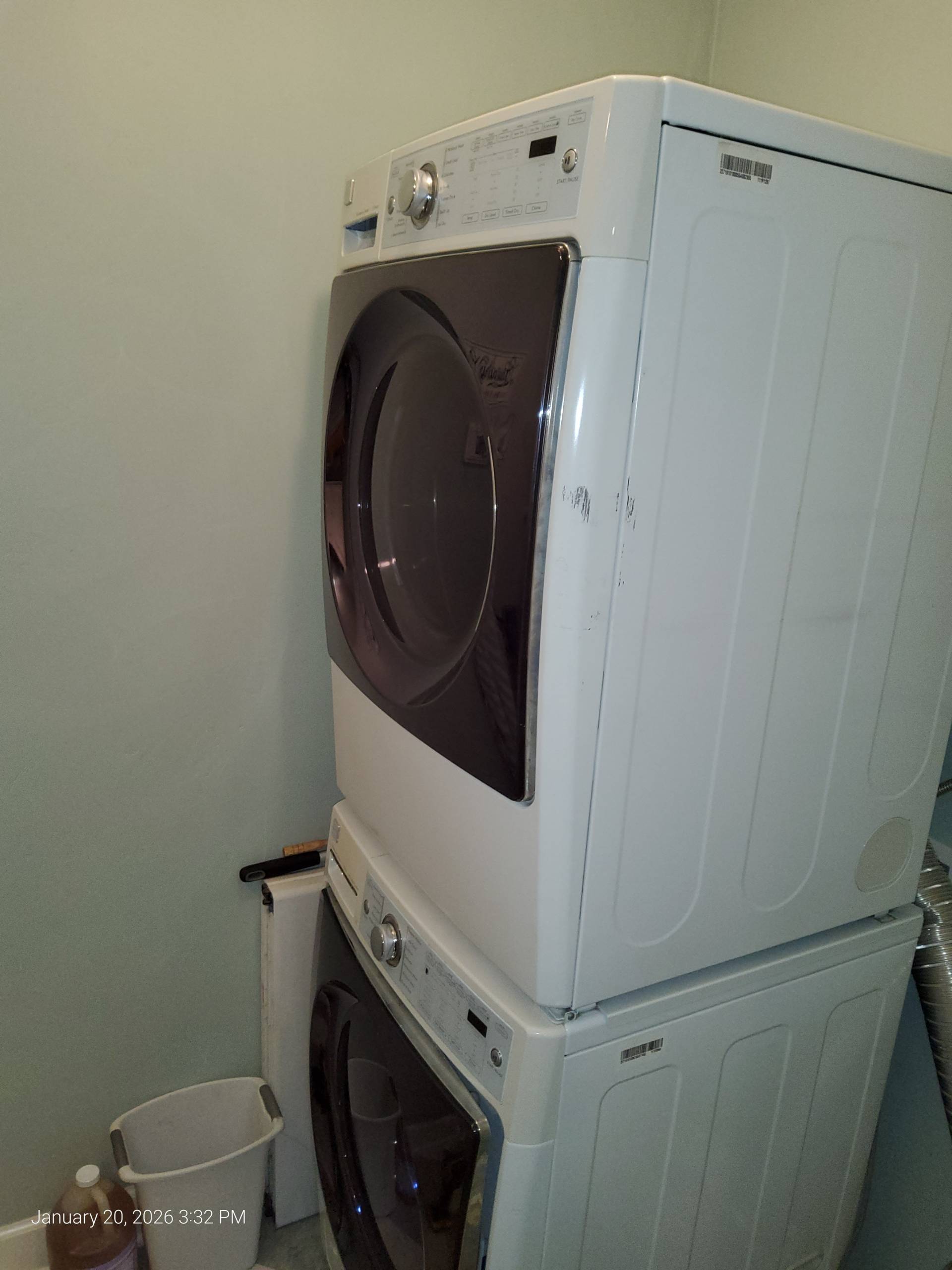
Few things are more frustrating than finishing a wash cycle, only to find that your clothes are still soaking wet. When a washing machine doesn’t spin properly, it can disrupt your laundry routine, leave garments heavy with water, and even cause damage to delicate fabrics over time. Understanding the common reasons behind this issue can help you troubleshoot it or know when to call in professional help.
1. Overloaded Washer
One of the most common reasons for clothes remaining wet is overloading the machine. Every washer has a maximum load capacity, and exceeding it can prevent the drum from spinning effectively. When too many clothes are packed in, the washer may struggle to achieve the high speeds necessary to extract water. To avoid this, always check the user manual for your machine’s recommended load size, and distribute items evenly in the drum.
2. Uneven Load Distribution
Even if you don’t overload your washer, unevenly distributed clothes can create a similar problem. Heavier items, like towels or jeans, can shift to one side of the drum, causing the washer to become unbalanced. Modern washers often have sensors that detect imbalance and will reduce spin speed or stop the cycle altogether to prevent damage. Spreading laundry evenly and mixing large and small items can help the drum spin freely.
3. Worn Drive Belt
Most washers rely on a belt-driven system to rotate the drum. Over time, the drive belt can become loose, worn, or even break. If the belt isn’t engaging properly, the drum won’t reach the speed needed for effective spinning, leaving your clothes wet. A slipping or damaged belt often produces unusual noises, such as squealing or thumping, during operation. Replacing a worn belt is a relatively straightforward repair but requires professional assessment to ensure proper installation.
4. Faulty Motor or Motor Coupling
The motor is the heart of a washing machine, powering both agitation and spin functions. If the motor starts to fail, the washer may not spin at full speed, or it may fail to spin at all. In many modern washers, a motor coupling connects the motor to the transmission. If this coupling wears out or breaks, the drum may not spin even though the motor is running. Diagnosing a motor or coupling issue requires technical knowledge and often professional tools, making a service call the safest option.
5. Blocked or Faulty Drain Pump
Another reason clothes can remain wet is if water isn’t draining properly. The drain pump removes water from the drum before the spin cycle begins. A blocked pump, clogged hose, or malfunctioning pump can prevent water from leaving the drum, leaving garments saturated even after the cycle finishes. You may notice slow draining, unusual noises, or error codes on the washer display. Clearing blockages or replacing a faulty pump usually resolves the issue.
6. Damaged Lid Switch or Door Lock
Many washers won’t spin if the lid or door isn’t fully closed or if the switch that detects closure is faulty. In top-loading washers, a broken lid switch prevents the drum from spinning, while front-loaders may not engage the spin cycle if the door lock mechanism fails. Inspecting these components can reveal whether a simple adjustment or replacement is necessary.
7. Malfunctioning Control Board
In rare cases, the washer’s electronic control board may malfunction, sending incorrect signals that prevent the drum from spinning. This can result from electrical surges, moisture, or internal component failure. Diagnosing control board issues requires specialized knowledge, and repairs are best handled by certified technicians.
While some causes of a washer failing to spin can be addressed with simple troubleshooting—like redistributing clothes or avoiding overloading—others, such as motor issues, drive belt problems, or electronic failures, require professional intervention. Ignoring a washer that doesn’t spin properly can lead to persistent wet laundry, higher energy costs, and even further mechanical damage.
For reliable, fast, and expert repair, contact HOME APPLIANCE SERVICE CENTER. Their certified technicians can diagnose the problem, provide precise repairs, and get your washing machine spinning at full capacity again. Don’t let wet laundry slow you down—schedule your service today.
Contact us