619-928-5000
  Request Service
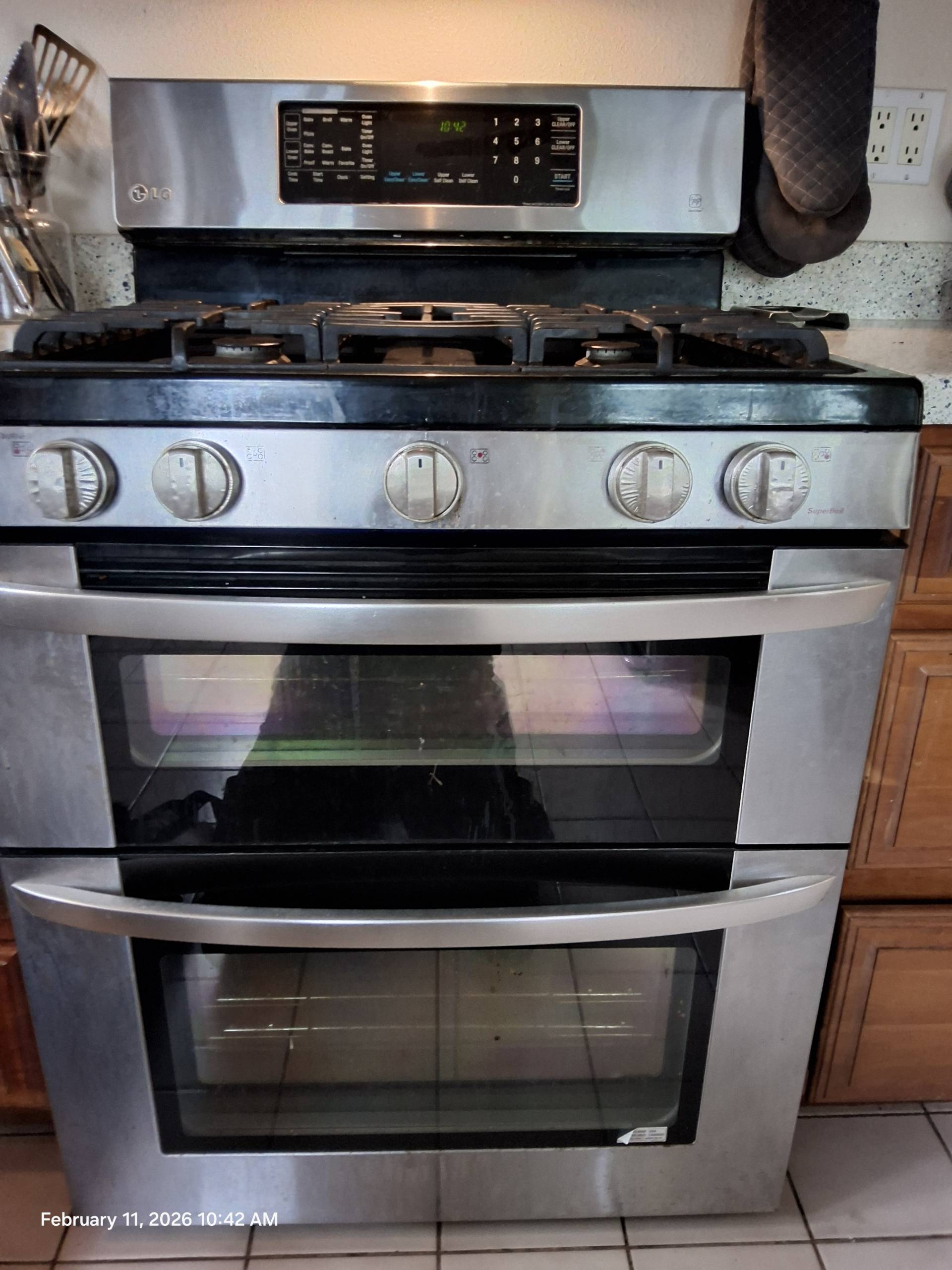
A gas stove is designed to operate quietly, producing a steady blue flame and minimal sound. So when you suddenly hear a whistling or high-pitched noise coming from the burner, it can be both annoying and concerning. While some causes are harmless and easy to fix, others may signal a deeper issue that requires professional attention. Understanding the reasons behind this noise can help you determine whether it’s a simple adjustment or a situation that calls for expert repair.
Common Causes of a Whistling Gas Burner
One of the most frequent reasons for a whistling sound is improper air-to-gas mixture. Gas burners rely on a balanced combination of fuel and oxygen to produce a stable flame. If too much air enters the system, it can create a high-pitched whistling or humming sound as the gas flows through the burner ports. This often happens when the air shutter is misaligned or partially open.
Another possible cause is a partially clogged burner orifice. Food debris, grease, or dust can accumulate over time and restrict the flow of gas. When gas is forced through a smaller opening, it can produce a whistling noise similar to air escaping from a narrow gap. In these cases, cleaning the burner components may resolve the issue.
Loose or improperly seated burner parts can also lead to unusual sounds. If the burner cap or ring is not positioned correctly, gas may escape unevenly, creating vibrations and noise. Even a slight misalignment can disrupt the normal flow and produce a noticeable whistle.
In some cases, the issue may be related to gas pressure. If the pressure is too high, the gas moves through the system faster than intended, which can result in a whistling or roaring sound. This is more serious, as incorrect gas pressure can affect both performance and safety.
When the Noise Is Normal
Not every whistling sound indicates a problem. Some stoves may produce a faint noise when burners are set to very high or very low levels. This can occur as gas flow adjusts to the setting and is usually not a cause for concern. If the flame remains steady, blue, and evenly distributed, the stove is likely functioning properly.
Additionally, newly installed gas stoves or recently serviced units may produce temporary noises as components settle into place. In such cases, the sound often disappears after a few uses.
Signs That Indicate a Problem
While occasional noise can be harmless, certain signs suggest that the issue should not be ignored. If the whistling is loud, persistent, or getting worse over time, it’s important to investigate further. Other warning signs include:
- Yellow or orange flames instead of blue
- Uneven flame distribution
- Difficulty igniting the burner
- A smell of gas during operation
- Soot buildup on cookware
These symptoms may point to incomplete combustion, blocked components, or gas flow issues, all of which can pose safety risks if left unresolved.
What You Can Check Yourself
Before calling a technician, there are a few simple steps you can take to troubleshoot the problem. Start by turning off the stove and allowing it to cool completely. Remove the burner cap and clean it thoroughly, along with the burner head and surrounding area. Make sure all parts are dry and properly aligned before reassembling.
Check for visible debris or blockages in the burner holes. A soft brush or a pin can help clear minor obstructions, but avoid using excessive force that could damage the components.
If your stove has an adjustable air shutter, you can try slightly modifying its position to see if the noise decreases. However, adjustments should be made carefully, as incorrect settings can affect combustion efficiency.
When to Call a Professional
If cleaning and basic adjustments do not resolve the issue, it’s time to seek professional help. Problems involving gas pressure, internal components, or persistent irregular flames should always be handled by trained technicians. Attempting to fix these issues without proper knowledge can be dangerous.
A professional technician can inspect the gas lines, regulator, and internal mechanisms to identify the root cause. They have the tools and expertise to safely adjust pressure levels, replace worn parts, and ensure that your stove operates efficiently and safely.
Preventing Future Issues
Regular maintenance is key to preventing whistling noises and other burner problems. Clean your stove regularly to avoid buildup of grease and debris. Make sure burner parts are always properly aligned after cleaning. It’s also a good idea to schedule periodic inspections to catch potential issues early.
Using the correct cookware size can also help. Oversized pots can trap heat and affect airflow around the burner, sometimes contributing to unusual sounds.
A whistling gas stove burner is not something you should ignore, even if it seems minor at first. While it may be caused by something as simple as a dirty burner or misaligned cap, it can also indicate more serious issues like improper gas pressure or combustion problems. Paying attention to the sound and accompanying symptoms can help you determine the next steps.
If you’re unsure or the problem persists, don’t take risks with gas appliances. Contact the professionals at HOME APPLIANCE SERVICE CENTER for reliable diagnosis and repair. Their experienced technicians will ensure your stove operates safely, quietly, and efficiently, giving you peace of mind in your kitchen.
Contact us