619-928-5000
  Request Service
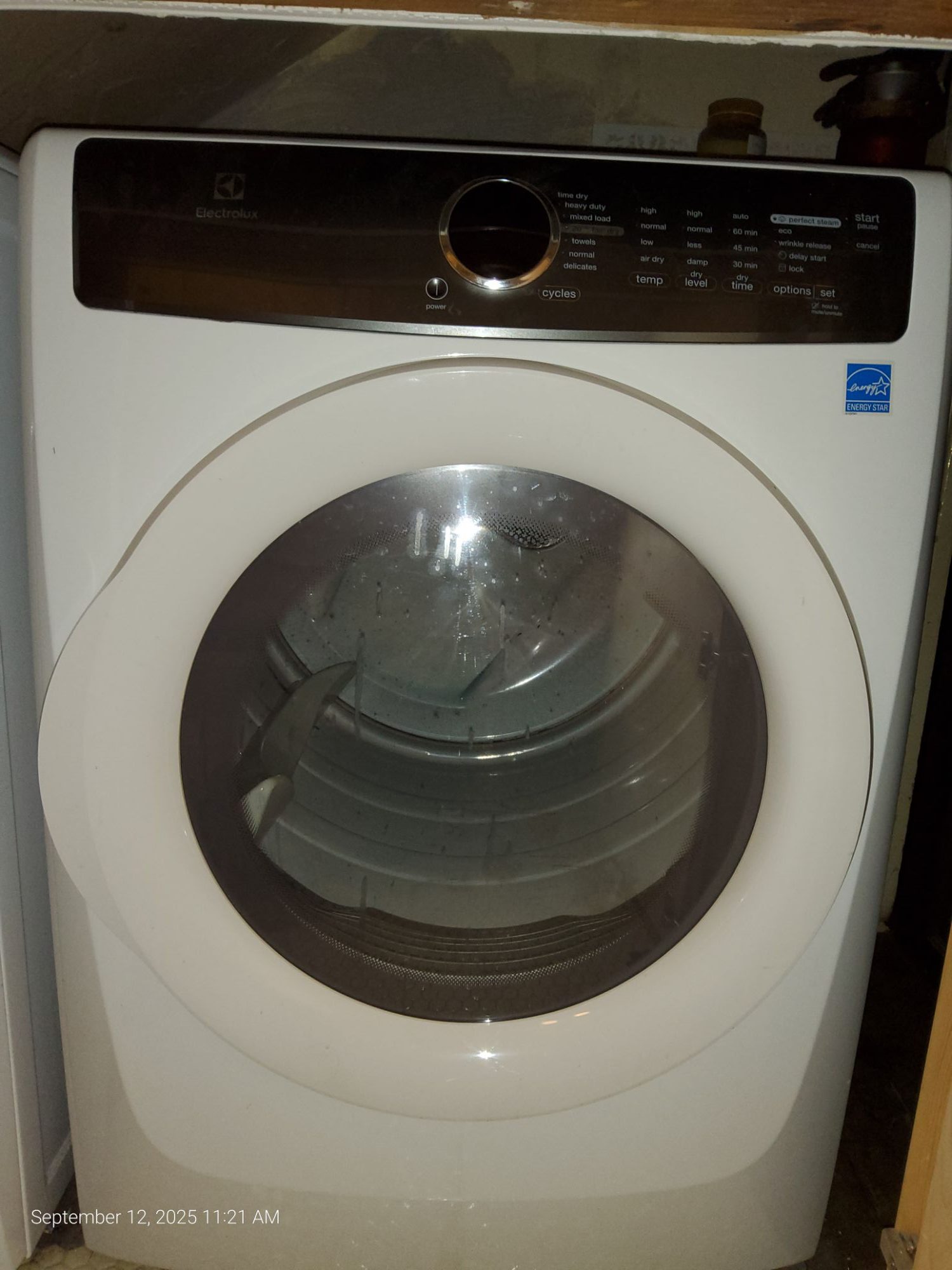
Most of us take our washing machines for granted. We load the clothes, select a cycle, and walk away, trusting that the machine will do its job efficiently. When the spin cycle looks normal, it’s easy to assume that everything is working perfectly. But beneath the surface, there’s a hidden part that often begins to fail long before any visible signs appear—and if ignored, it can lead to serious damage and costly repairs.
That hidden culprit is the drum bearing. Drum bearings support the drum as it rotates during washing and spinning. They are designed to handle heavy loads and high-speed rotations, but over time, wear and tear are inevitable. What makes drum bearing failure particularly sneaky is that the washing machine can continue to operate seemingly normally for weeks, sometimes months, while the bearing slowly deteriorates.
A failing drum bearing may start with subtle signs: a faint squeaking or rumbling sound during the spin cycle, slightly more vibration than usual, or a minor imbalance in the drum. Often, these signs are so subtle that most homeowners dismiss them as “normal machine noise” or “clothes not balanced properly.” However, these early indicators are warnings that the bearing is wearing out and the machine is under stress.
Once a bearing is fully compromised, the consequences escalate quickly. You might notice louder grinding noises, wobbling during high-speed spins, and eventually water leakage from the drum seal. Continuing to use a washing machine in this condition can damage the drum, the motor, and even the housing of the appliance. Repairing a machine after a full bearing failure is far more expensive and time-consuming than addressing the problem early.
Another hidden risk is that the worn bearing can indirectly affect other components. The motor has to work harder to spin a drum that is no longer rotating smoothly. This extra strain can lead to overheating, electrical issues, and even shortened lifespan for the entire appliance. Additionally, the unbalanced drum puts extra pressure on the suspension system, potentially damaging shock absorbers and springs.
Many homeowners assume that if the spin cycle appears normal, no action is needed. Unfortunately, by the time visible signs like excessive noise or leaks appear, the damage is often significant. This is why proactive maintenance and timely inspections are crucial. Washing machines are precision machines, and small issues can escalate quickly if left unchecked.
How can you protect your washing machine?
- Listen for unusual noises: Even faint squeaks, grinding, or knocking sounds can indicate a failing bearing. Pay attention to the machine during different cycles.
- Check for vibration: While a little vibration is normal, excessive shaking, especially during spin, can indicate an imbalance or a bearing issue.
- Inspect for leaks: Water pooling around the base of the machine can signal that the drum seal or bearing is compromised.
- Regular professional maintenance: Scheduling an annual inspection with a trusted service provider can catch hidden issues before they become major problems. A professional technician can detect early signs of bearing wear and other hidden failures, saving you time and money in the long run.
If you notice any subtle changes in the operation of your washing machine, don’t wait until it’s too late. Ignoring early warning signs can turn a relatively minor repair into a full-scale replacement scenario. Home Appliance Service Center specializes in diagnosing hidden failures like worn drum bearings, ensuring your machine stays reliable and your laundry routine uninterrupted.
Remember, the spin cycle may look normal on the surface, but hidden parts like the drum bearing could already be failing. Addressing these issues early is the key to extending the lifespan of your washing machine and avoiding expensive repairs.
If you suspect your washing machine is showing early signs of failure, contact Home Appliance Service Center today for a professional inspection and repair. Don’t let a hidden problem turn into a costly disaster.
Contact us