619-928-5000
  Request Service
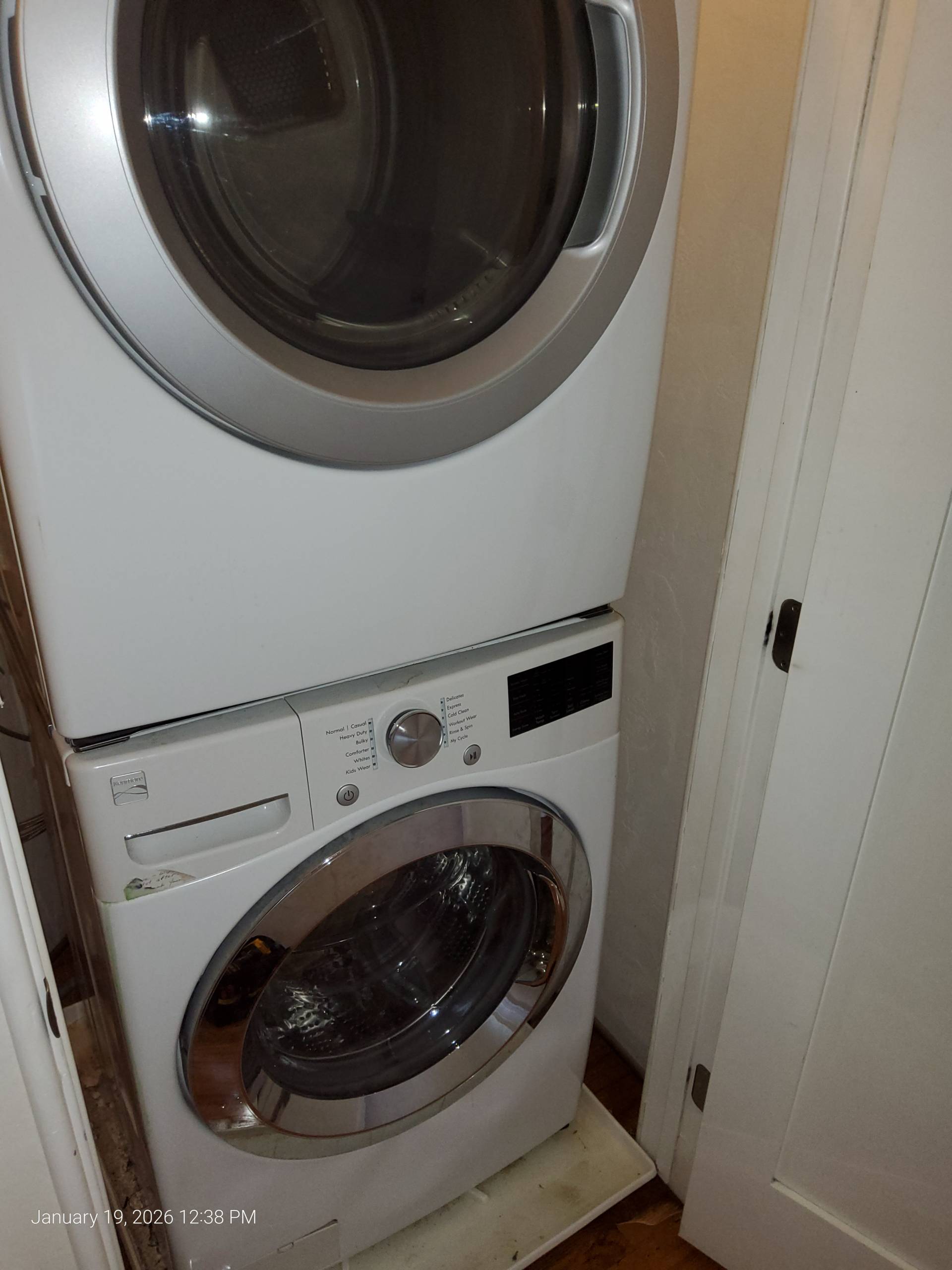
It is a common domestic mystery: your washing machine zips through a 30-minute “Quick Wash” with the grace of a sprinter, leaving your gym clothes fresh and the drum bone-dry. Yet, the moment you twist the dial to “Heavy-Duty” or “Bedding,” the machine transforms. It might groan, vibrate violently, fail to drain, or simply stop mid-cycle with a cryptic error code blinking on the display.
On the surface, it feels like a betrayal of logic. If a machine can handle the high-speed intensity of a quick cycle, why does it stumble when given more time? The answer lies in the mechanical physics and sensory logic of modern appliances. Understanding this gap doesn’t just solve a laundry day headache—it prevents a catastrophic appliance failure.
The Physics of Payload and Momentum
The most significant difference between a quick cycle and a heavy-duty cycle is mass. Quick cycles are designed for small loads—usually a few shirts or light synthetics. Heavy-duty cycles, conversely, are built for high-absorbency items like towels, denim, and comforters.
When these heavy fabrics soak up water, their weight triples. During a quick cycle, the motor handles a light load with minimal torque. During a heavy-duty cycle, the motor and the drive belt must move a massive, water-logged weight. If your washer struggles here, it often points to a slipping drive belt or a failing capacitor. The motor can muster enough strength for a light load, but the physical resistance of “Heavy-Duty” exposes the underlying mechanical fatigue.
The Suspension and Balance Struggle
Have you noticed your washer “walking” across the floor only during heavy cycles? This is a hallmark of suspension rod failure.
Modern front and top-loading washers use a system of springs and shock absorbers to stabilize the drum. A light “Quick Wash” load doesn’t exert much centrifugal force. However, when a heavy-duty load enters the spin sequence, the uneven distribution of heavy wet towels puts immense pressure on the suspension. If one rod is slightly worn, the machine can no longer balance itself. The internal sensors detect this “out-of-balance” state and, as a safety precaution, will either slow the spin to a crawl (leaving clothes soaking wet) or shut the machine down entirely.
The Drainage and Filtration Bottleneck
A “Quick Wash” uses less water and involves shorter rinse phases. A “Heavy-Duty” cycle is a water-intensive process designed to flush out deep-seated dirt. This means the drain pump has to work significantly harder and longer.
If your washer struggles to finish a heavy cycle, the culprit is often a semi-clogged drain filter or a weakening pump motor. While the pump might manage to evacuate the small amount of water from a light cycle, the sheer volume of a heavy-duty rinse can cause a weak pump to overheat and trip. Furthermore, heavy fabrics like rugs or old towels shed more lint; this debris can accumulate in the pump housing, creating a “choke point” that only becomes apparent when the machine attempts a high-volume drain.
The Hidden Software Logic
Modern washers are essentially computers that happen to wash clothes. They utilize OOB (Out of Balance) sensors and pressure switches to monitor the cycle.
In a quick cycle, the software parameters are often more “forgiving” to get the job done fast. In a heavy-duty cycle, the software is programmed for maximum extraction. If the pressure switch (which monitors water levels) is slightly fouled by mineral buildup, it may provide an accurate reading for a low-water quick cycle but fail to register correctly when the tub is filled to capacity for a heavy load. This results in the machine “timing out” because it thinks it hasn’t filled or drained within the safety window.
Why You Shouldn’t Ignore the Warning
If your washer is “choosing” which cycles it wants to complete, it is communicating a specific need for maintenance. Ignoring a struggle on heavy-duty mode often leads to:
- Motor Burnout: Forcing a weak motor to struggle through heavy loads will eventually lead to a total electrical short.
- Bearing Damage: Unbalanced heavy loads put lateral pressure on the drum bearings. Once these go, the repair often costs as much as a new machine.
- Flooding: A pump that struggles today is a pump that fails and leaks tomorrow.
Restore Your Laundry Routine Today
You shouldn’t have to plan your life around which buttons your washing machine decides to respect. A washer that only works on “Quick Wash” is a machine operating at 30% capacity, and the stress on its components is only increasing with every load.
At HOME APPLIANCE SERVICE CENTER, we specialize in diagnosing the complex relationship between mechanical wear and electronic sensors. Whether it’s a suspension issue, a tired motor, or a clogged internal drainage system, our expert technicians will bring your appliance back to full heavy-duty strength.
Don’t wait for the “Quick Wash” to fail too. Restore the power and reliability of your home appliances with a professional diagnostic.
Contact HOME APPLIANCE SERVICE CENTER today to schedule your expert repair service.
Contact us