619-928-5000
  Request Service
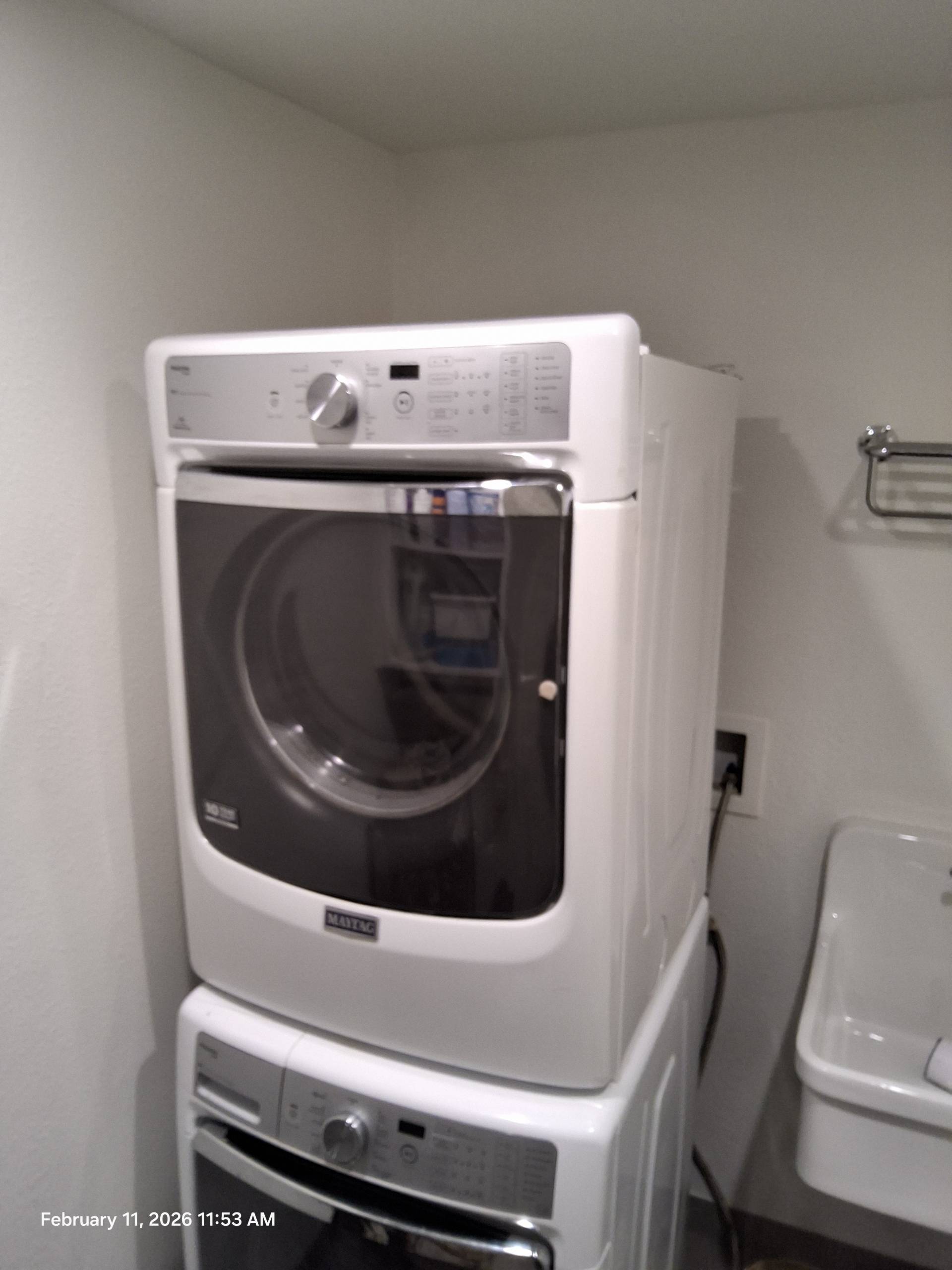
A washing machine that stops mid-cycle or fails to complete its full wash program can be more than just a minor inconvenience. Not only does it leave your laundry partially cleaned, but it may also indicate underlying problems with key components such as the timer, electronic control board, or other electrical systems. Understanding why your washing machine is not finishing its cycles can help you identify when it’s time to call a professional repair service.
Common Causes of Cycle Interruption
- Timer Malfunction
The timer in a washing machine controls the duration of each stage of the wash, from filling and agitating to spinning and draining. If the timer is faulty, the machine may stop prematurely or skip steps. Mechanical timers, often found in older machines, can wear out over time due to constant use. Symptoms of a failing timer include erratic behavior, such as stopping mid-cycle, failing to advance to the next stage, or completing cycles much faster than usual. - Electronic Control Board Issues
Modern washing machines rely on electronic control boards to manage the entire washing process. These circuit boards control water levels, spin speeds, temperature, and the timing of each wash stage. A malfunctioning control board can cause the machine to freeze, reset, or halt mid-cycle. Signs of electronic control problems may include the display flashing error codes, the machine not responding to input, or cycles ending unexpectedly. - Power Supply Problems
Intermittent power issues or electrical surges can cause a washing machine to stop mid-cycle. Faulty wiring, a tripped circuit breaker, or unstable voltage can interrupt the operation of both mechanical timers and electronic boards. In such cases, the machine may start normally but suddenly stop without warning. - Other Contributing Factors
While timer and control board issues are the most common reasons, other factors can also cause incomplete wash cycles. These include:
- Drainage problems: A clogged pump or drain hose can prevent the machine from finishing the spin or drain stage.
- Door lock malfunction: Many washing machines will not continue the cycle if the door or lid sensor detects it is open or not securely closed.
- Overloading: Placing too many clothes in the drum can strain the motor and sensors, causing the machine to stop for safety reasons.
Diagnosing the Issue
Identifying the exact cause of a washing machine that does not complete its cycle requires careful observation and sometimes professional diagnostic tools. Homeowners can start by checking the following:
- Inspect the power source and reset the circuit breaker.
- Ensure the door or lid is properly closed and the lock mechanism is functioning.
- Check for visible signs of clogging in the drain or filter.
However, problems related to timers or electronic control boards typically require professional attention. These components are complex and involve working with electrical parts that could be hazardous if handled incorrectly. Attempting to repair a faulty timer or control board without proper knowledge can cause further damage to the appliance or even result in electric shock.
Repair or Replacement Options
For mechanical timers, a replacement is often the most effective solution. In some cases, repair may be possible, but sourcing parts for older machines can be challenging. For electronic control boards, a technician can diagnose whether the board can be repaired or needs complete replacement. Modern washing machines are designed with integrated boards that may require a specialized part to restore full functionality.
Professional repair services offer several advantages:
- Accurate diagnosis using specialized tools.
- Safe handling of electrical components.
- Access to manufacturer-approved replacement parts.
- Prevention of further damage by addressing the root cause instead of temporary fixes.
Preventive Measures
While some malfunctions are unavoidable due to wear and tear, certain steps can help reduce the risk of washing machine cycle problems:
- Avoid overloading the drum. Follow the manufacturer’s recommended load sizes.
- Use the correct type and amount of detergent to prevent residue buildup.
- Inspect hoses and filters regularly to ensure proper drainage.
- Schedule routine maintenance to detect early signs of timer or control board wear.
When to Call a Professional
If your washing machine repeatedly stops mid-cycle, displays error codes, or behaves unpredictably despite troubleshooting basic issues, it is time to call a professional appliance repair service. Ignoring these signs can lead to more severe damage, higher repair costs, or even complete failure of the machine.
At HOME APPLIANCE SERVICE CENTER, our experienced technicians specialize in diagnosing and repairing washing machines of all makes and models. Whether it’s a faulty timer, a malfunctioning electronic control board, or another underlying issue, we provide fast, reliable service to get your washing machine running smoothly again. Don’t let an interrupted wash cycle disrupt your routine — contact us today for professional appliance repair and maintenance.
Contact us