619-928-5000
  Request Service
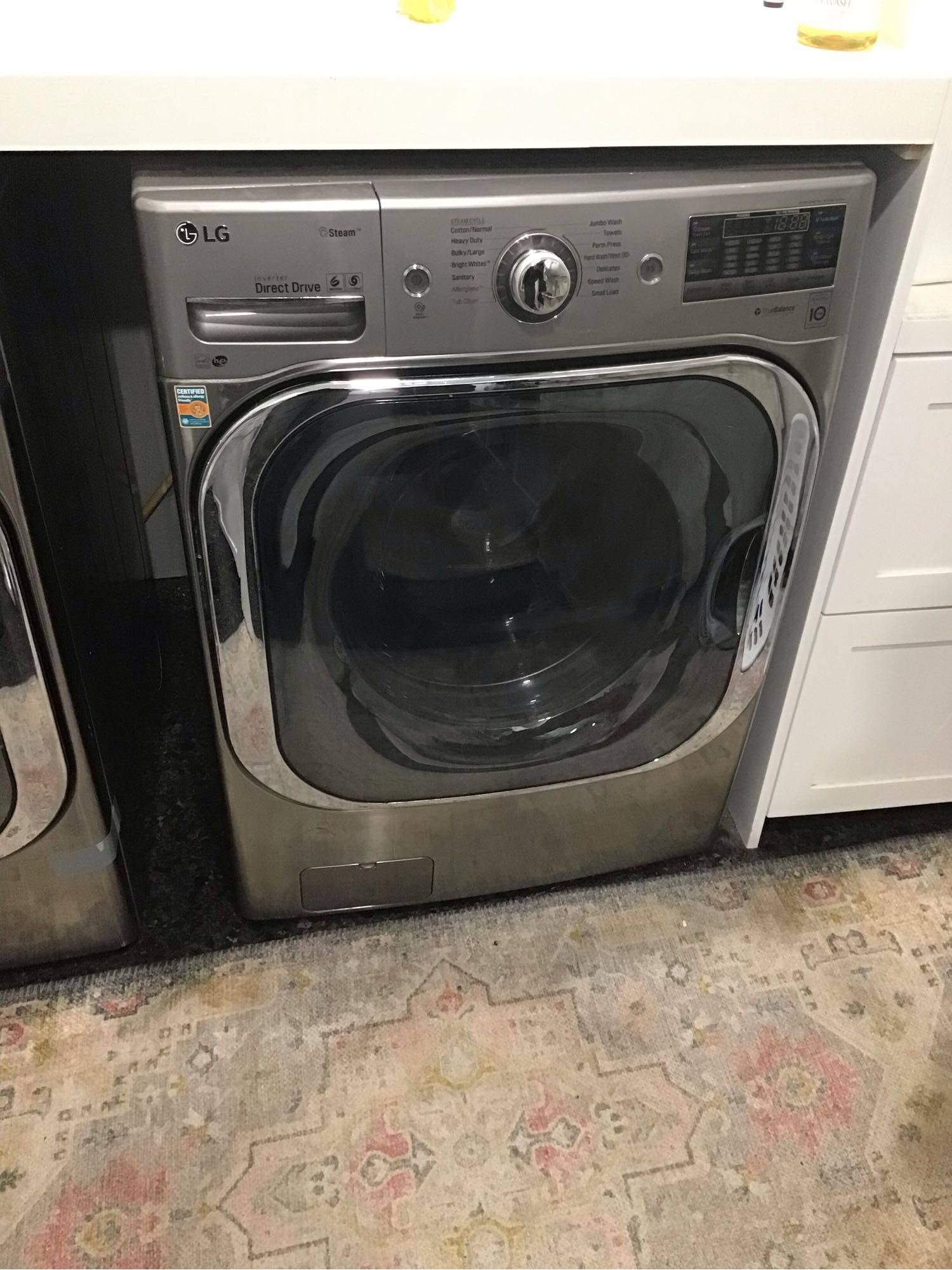
When a washing machine drum jerks or shakes during rotation, it is more than a minor annoyance—it signals potential internal wear or mechanical issues that require attention. Ignoring these signs can lead to costly repairs or even total machine failure. Understanding the causes helps diagnose the problem and ensures safe, effective operation.
- Uneven Load or Overloading
The simplest explanation for a jerking drum is unevenly distributed laundry. Heavy items, such as towels or blankets, can cluster on one side, causing imbalance during the spin cycle. Overloading the drum beyond its capacity also strains the suspension system, leading to jerks. While this can often be corrected by redistributing clothes or reducing load size, repeated overloading accelerates wear on bearings and shock absorbers. - Worn Drum Bearings
The bearings support the drum and allow smooth rotation. Over time, friction and water exposure wear them down, resulting in a jerking or grinding motion. Signs of bearing wear include unusual noise during rotation, leaking water, or a drum that feels loose when manually moved. Drum bearing failure is a serious problem; continued operation without repair can damage the drum and motor. - Damaged Shock Absorbers or Suspension Springs
Front-load washers rely on shock absorbers and springs to stabilize the drum during high-speed spins. If these components are worn or broken, the drum will bounce or jerk. A failing shock absorber may leak oil, while weakened springs may sag, producing excessive drum movement. Replacing these parts restores stability and prevents further mechanical stress. - Faulty Drive System
The drive system, including belts and pulleys (or direct-drive motors in newer models), controls drum rotation. A worn belt may slip, producing jerks, while a failing motor may cause intermittent or uneven spinning. Motor issues are often accompanied by unusual sounds or error codes. Diagnosing drive system problems typically requires professional tools and expertise. - Drum Obstructions
Small objects trapped between the drum and outer tub—such as coins, buttons, or hairpins—can create irregular motion and jerks during rotation. Regular inspection of pockets before washing, and checking the drum for foreign objects, helps prevent this type of mechanical stress. - Frame or Floor Leveling Issues
Even minor misalignment of the washing machine on an uneven floor can amplify drum movement, making jerks more pronounced. Ensuring the appliance is level and secure reduces unnecessary vibration and prevents stress on internal components. - Signs of Advanced Wear
Jerking drums can indicate advanced wear, particularly when accompanied by loud noises, unusual smells, or visible drum wobble. Internal components such as bearings, dampers, and bushings degrade over time, and continuing to operate the machine in this condition can result in more expensive repairs or complete replacement.
Preventive Measures and Maintenance
- Avoid overloading the machine and distribute laundry evenly.
- Perform periodic inspections of belts, drum bearings, and shock absorbers.
- Keep the washer level on a stable surface.
- Remove small objects from clothing pockets before washing.
- Schedule professional servicing if jerks persist despite correct usage.
Professional diagnosis is recommended whenever mechanical wear is suspected. A trained technician can inspect internal components, replace worn parts, and ensure the drum rotates smoothly, preventing secondary damage to the motor, tub, or electronics.
If your washing machine drum jerks during rotation, do not wait for the problem to worsen. Contact the HOME APPLIANCE SERVICE CENTER for expert inspection and repair. Our certified technicians provide precise diagnosis and high-quality replacement parts to restore smooth operation, extend the life of your machine, and prevent costly damage. Schedule your service today to keep your laundry routine uninterrupted.
Contact us