619-928-5000
  Request Service
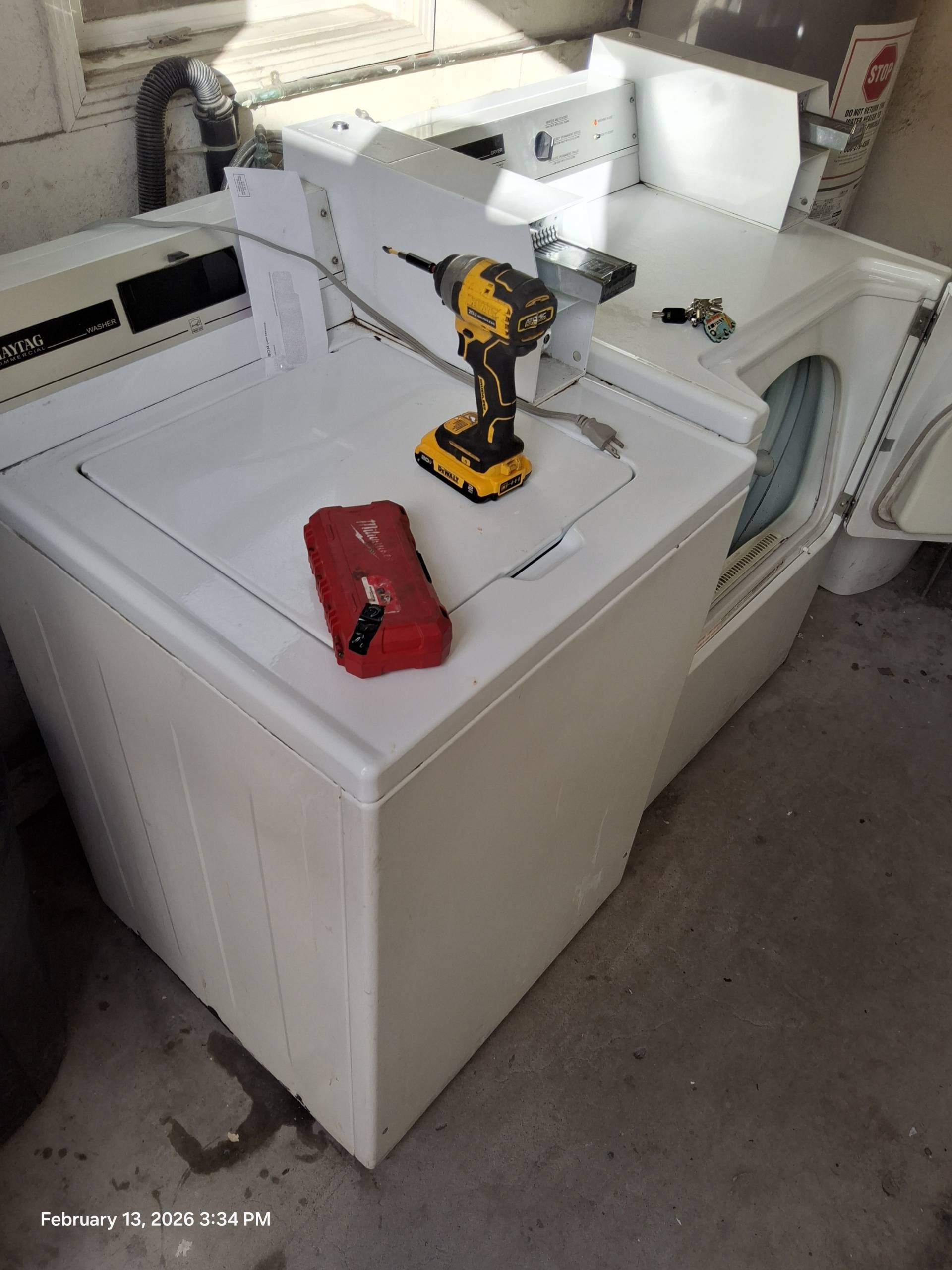
A washing machine that trips the breaker during operation is not only inconvenient but can indicate underlying electrical or mechanical issues that require prompt attention. Understanding the potential causes can help prevent further damage, protect your home’s electrical system, and ensure your appliance functions safely.
1. Electrical Overload or Short Circuit
One of the most common reasons a washing machine trips the breaker is an electrical overload or short circuit. Modern homes have circuit breakers designed to prevent overheating and electrical fires. When a washing machine draws more current than the circuit can handle, the breaker will trip to cut off power.
This situation can occur if multiple high-powered appliances share the same circuit. For example, running a dryer or microwave on the same line as the washing machine can cause an overload. A short circuit within the washing machine itself, such as damaged wiring or exposed electrical contacts, can also trigger the breaker. Inspecting the power cord, plug, and internal wiring for damage is essential. If wiring looks frayed or burnt, the appliance should not be used until repaired.
2. Faulty Motor or Motor Components
The motor is the heart of the washing machine, and faults in this component can lead to breaker trips. A motor that draws excessive current due to worn bearings, a failing rotor, or shorted windings can overload the circuit. Similarly, if the motor’s start or run capacitor malfunctions, it may cause the motor to struggle during cycles, especially during spinning, resulting in high current draw.
Signs of motor issues include unusual noises such as humming, grinding, or squealing. Additionally, if the drum rotates inconsistently or stops mid-cycle, these are indicators of potential motor failure. Addressing motor problems early can prevent further electrical strain and costly repairs.
3. Water Leakage Causing Electrical Faults
Water is essential for washing, but when it comes into contact with electrical components, it creates serious risks. Leaks from hoses, the detergent drawer, or seals can reach the motor, wiring, or control board, causing short circuits that trip the breaker.
Regular inspection for leaks, worn gaskets, or faulty door seals can reduce the risk of water-induced electrical faults. If you notice puddles around the machine or dampness near the electrical components, stop using the washer immediately and have it inspected.
4. Malfunctioning Control Board or Timer
Modern washing machines rely on electronic control boards or timers to regulate water intake, drum movement, and cycle duration. A malfunctioning board can cause erratic current spikes, leading the breaker to trip. Signs include cycles stopping abruptly, error codes displayed on the panel, or the machine failing to start.
Repairing or replacing the control board is often a task best left to professionals, as handling electronic components incorrectly can worsen the problem or void warranties.
5. Improper Grounding or Outlet Issues
A poorly grounded outlet or loose connections can make the washing machine unsafe to operate. Electrical faults due to improper grounding may not only trip the breaker but also pose a risk of shock. Ensuring the machine is connected to a properly grounded outlet is a critical safety step.
If the outlet shows signs of damage, discoloration, or sparking, it is important to have a licensed electrician inspect and repair it before using the appliance.
Preventive Measures and Safety Tips
To reduce the risk of breaker trips, homeowners should:
-
Ensure the washing machine has a dedicated circuit with adequate amperage.
-
Avoid running multiple high-draw appliances on the same line.
-
Regularly inspect hoses, seals, wiring, and plugs for damage.
-
Address unusual noises, vibrations, or operational inconsistencies promptly.
-
Keep the appliance and surrounding area dry to prevent water contact with electrical components.
Professional Service is Essential
While some basic checks, such as examining cords and outlets, can be done by homeowners, most causes of breaker trips require professional diagnosis. Electrical faults, motor issues, and control board malfunctions involve complex components and high voltage. Attempting DIY repairs without proper expertise can worsen the problem and create safety hazards.
HOME APPLIANCE SERVICE CENTER specializes in diagnosing and repairing washing machines that trip breakers. Their technicians are trained to identify whether the cause is motor-related, electrical, or due to a control board malfunction, and they provide reliable repairs to restore your appliance safely.
Ignoring repeated breaker trips can lead to more serious electrical problems, potential fire hazards, or permanent damage to the washing machine. Prompt professional intervention ensures both safety and functionality, prolonging the life of your appliance.
If your washing machine trips the breaker during operation, contact HOME APPLIANCE SERVICE CENTER immediately. Their certified technicians provide fast, reliable service to get your washer running safely again, protecting your home and appliances from further damage.
Contact us