619-928-5000
  Request Service
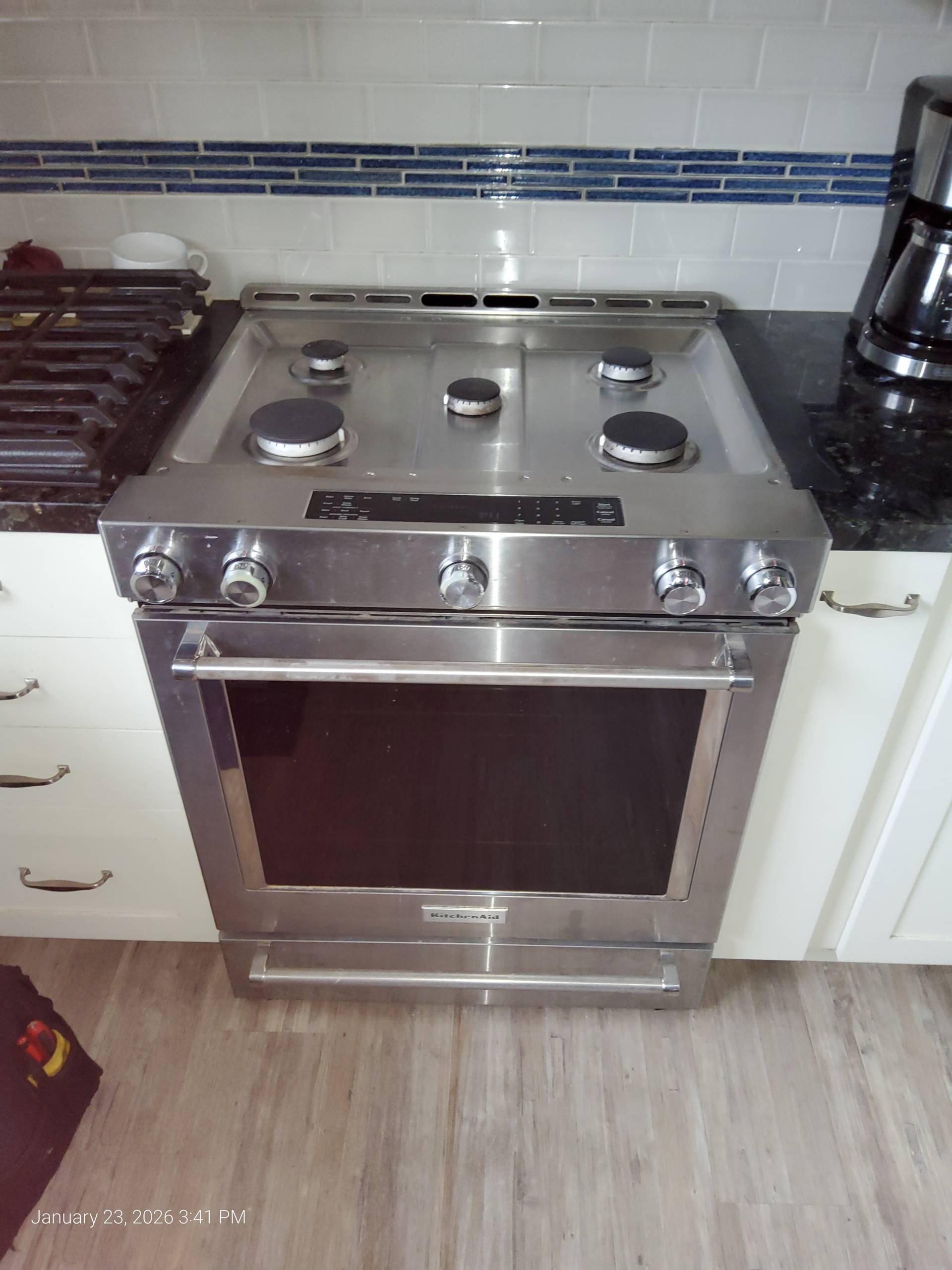
Gas stoves are designed for quick, reliable ignition. In most kitchens, turning the knob produces an immediate spark and a steady blue flame within a second or two. But sometimes homeowners begin to notice a small difference: one burner occasionally takes longer to light than the others. It may still ignite, and the stove may seem to function normally overall, yet that slight delay can be an early sign that something inside the appliance needs attention.
While this issue may appear minor at first, paying attention to small changes in appliance behavior can prevent larger problems in the future.
How Gas Burner Ignition Normally Works
Modern gas stoves rely on an ignition system that creates a spark when you turn the control knob. This spark ignites the gas flowing through the burner ports. The process should be nearly instant. If everything is clean and functioning properly, the burner lights quickly and evenly.
When one burner consistently lights slower than the others, it usually means that something is interfering with the ignition process or the flow of gas.
Food Debris and Grease Buildup
One of the most common reasons for delayed ignition is the accumulation of food particles or grease around the burner cap or ports. Over time, tiny pieces of food, cooking oils, and residue from boiling liquids can settle into the small openings where gas flows out.
When these ports are partially blocked, gas cannot spread evenly across the burner. As a result, the spark may ignite the gas more slowly or only after a few seconds. This delay is often more noticeable when cooking frequently with sauces, oils, or foods that tend to spill.
Even a small obstruction can change how quickly the burner lights.
Moisture Around the Igniter
Another common factor is moisture. After cleaning the stovetop or after something boils over, water can remain near the igniter or inside the burner assembly. Moisture can temporarily interfere with the spark or prevent the gas from igniting immediately.
In many cases, the burner returns to normal once everything dries. However, repeated exposure to moisture can gradually affect the igniter or the surrounding components.
Burner Cap Misalignment
Gas burners rely on properly positioned burner caps. These caps help distribute gas evenly and guide the flame around the burner ring. If the cap is slightly misaligned or not sitting correctly after cleaning, the gas may not reach the ignition point efficiently.
This small positioning issue can cause the burner to click longer before lighting.
Checking that the cap sits flat and centered often resolves this particular problem.
Wear in the Ignition System
If the burner area is clean and properly assembled but the delay continues, the issue may lie in the ignition system itself. The spark electrode can gradually wear out, accumulate residue, or shift slightly out of alignment.
When this happens, the spark may still occur, but it may not ignite the gas as efficiently as before. Over time, this can lead to longer ignition times or occasional failure to light.
Because ignition systems involve electrical components working near gas lines, diagnosing and repairing them should be handled carefully.
Changes in Gas Flow
A slower lighting burner can also indicate a minor change in gas flow. Gas valves, regulators, or internal lines may develop slight restrictions over time. Even a small difference in pressure can affect how quickly the gas reaches the burner and ignites.
While this type of issue is less common than debris buildup, it should not be ignored if other simple causes have already been ruled out.
Early Warning Signs Shouldn’t Be Ignored
It is important to remember that appliances often provide subtle warnings before a larger malfunction appears. A burner that occasionally lights slower might still work today, but it could eventually develop into a burner that struggles to ignite or produces an uneven flame.
Addressing the issue early helps maintain safe and efficient operation.
Regular cleaning, proper assembly of burner parts, and routine inspections can go a long way in keeping a gas stove functioning reliably.
When Professional Inspection Is the Best Option
If cleaning the burner and checking the cap position does not solve the problem, the safest step is to have the stove inspected by a qualified technician. Professionals can examine the ignition system, burner assembly, and gas flow components to identify the exact cause of the delay.
A trained technician also has the tools and expertise to repair or replace worn components safely, ensuring the appliance continues operating as intended.
Ignoring small ignition delays may allow minor wear to develop into more serious issues that affect performance and safety.
Reliable Help When Your Stove Shows Early Signs of Trouble
If one burner on your gas stove lights slower than the others, it may be time for a professional inspection. The experienced technicians at HOME APPLIANCE SERVICE CENTER can quickly diagnose ignition issues, clean and adjust burner components, and restore your stove to reliable operation.
Don’t wait for a minor inconvenience to become a bigger repair. Contact HOME APPLIANCE SERVICE CENTER today and schedule a professional service to keep your kitchen appliances working safely and efficiently.
Contact us