619-928-5000
  Request Service
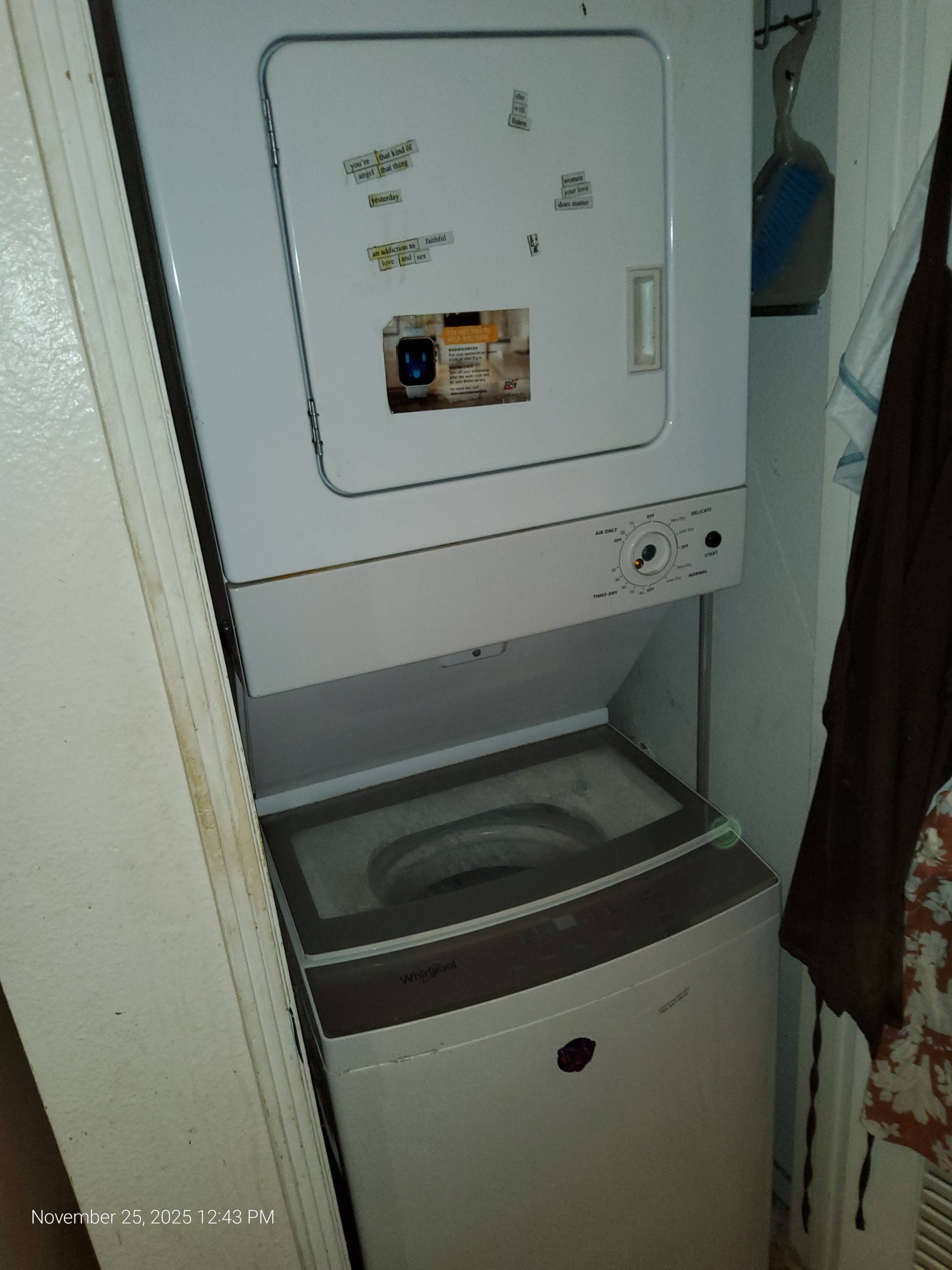
Modern washing machines are designed to run efficiently and reliably, often delivering years of consistent service. You may notice, however, that even when your washer appears to be functioning normally — completing cycles, spinning at the right speed, and not displaying error codes — the water temperature sometimes feels inconsistent. One day, clothes come out warm; the next, they’re only lukewarm. While this may seem minor, it can indicate underlying issues that deserve attention.
Why Water Temperature Matters
Water temperature is a crucial factor in the washing process. Hot water is effective at removing tough stains and sanitizing fabrics, while cold water is gentler on delicate items and conserves energy. Inconsistent temperatures can affect cleaning performance, leaving clothes less fresh and possibly causing detergent to work less effectively. Over time, repeated exposure to suboptimal temperatures can also stress fabrics, leading to premature wear.
Common Causes of Inconsistent Washer Water Temperature
- Heating Element Wear or Failure
Most washers heat water internally using an electric element. Over time, this component can degrade or develop mineral buildup, reducing its ability to consistently heat water. Even if the washer completes cycles normally, a worn element can create temperature fluctuations. - Faulty Thermostat or Sensor
Washers rely on sensors and thermostats to regulate water temperature. A malfunctioning sensor may misread the water’s heat level, causing the washer to overcompensate or underheat water. This issue is often subtle, as the machine may still complete cycles without error codes. - Water Supply Issues
Your washer depends on a steady supply of hot and cold water. Changes in municipal water temperature, partially closed valves, or inconsistent water pressure can result in temperature variations. Even a minor drop in hot water supply can noticeably affect the final wash. - Mixing Valve Malfunction
Many washers use a mixing valve to combine hot and cold water to reach the desired temperature. If the valve is partially blocked or faulty, it may fail to balance the water properly, creating inconsistent heat.
Signs You Shouldn’t Ignore
While some temperature variation is natural, persistent or growing inconsistencies can point to mechanical or electrical issues. Watch for these signs:
- Clothes are not as clean as usual despite normal cycles.
- Detergent residue remains on fabrics.
- The washer makes unusual sounds during the water intake phase.
- Water feels unusually hot or cold compared to the selected setting.
Addressing these issues early prevents further damage to the washer and ensures that clothes are washed properly, maintaining hygiene and fabric longevity.
Steps to Take
- Check Water Supply
Ensure that hot and cold water hoses are fully open and free from kinks. If your home has fluctuating water temperatures, consider using a separate water heater or booster for laundry. - Run Diagnostic Cycles
Some washers have built-in diagnostic tests to check the heating element and sensors. Consult your user manual or manufacturer’s guide to run these tests safely. - Schedule Professional Inspection
Even if your washer seems operational, professional service is the safest way to ensure consistent water temperature. Certified technicians can test electrical components, replace faulty elements, and clean or repair valves that may be obstructed.
Why Professional Service Matters
A washer that appears error-free can still harbor hidden problems. Ignoring subtle temperature changes may not immediately cause breakdowns, but over time, it can lead to more serious issues — higher energy bills, uneven washing performance, or complete element failure.
Professional appliance services offer a thorough evaluation, ensuring all components operate correctly. They can identify early signs of wear or malfunction that the average user might overlook, saving both time and money in the long run.
Inconsistent water temperature in a washer might seem like a minor inconvenience, but it is often a warning sign of underlying mechanical, electrical, or supply-related issues. Addressing it promptly helps maintain optimal washing performance, prolongs the lifespan of your appliance, and keeps clothes clean and safe.
Don’t wait for a minor fluctuation to turn into a costly repair. Schedule a professional check-up to ensure your washer continues to operate efficiently.
If you’ve noticed inconsistent water temperature in your washer, contact HOME APPLIANCE SERVICE CENTER today. Our certified technicians will diagnose the issue and restore your washer to reliable, consistent performance.
Contact us