619-928-5000
  Request Service
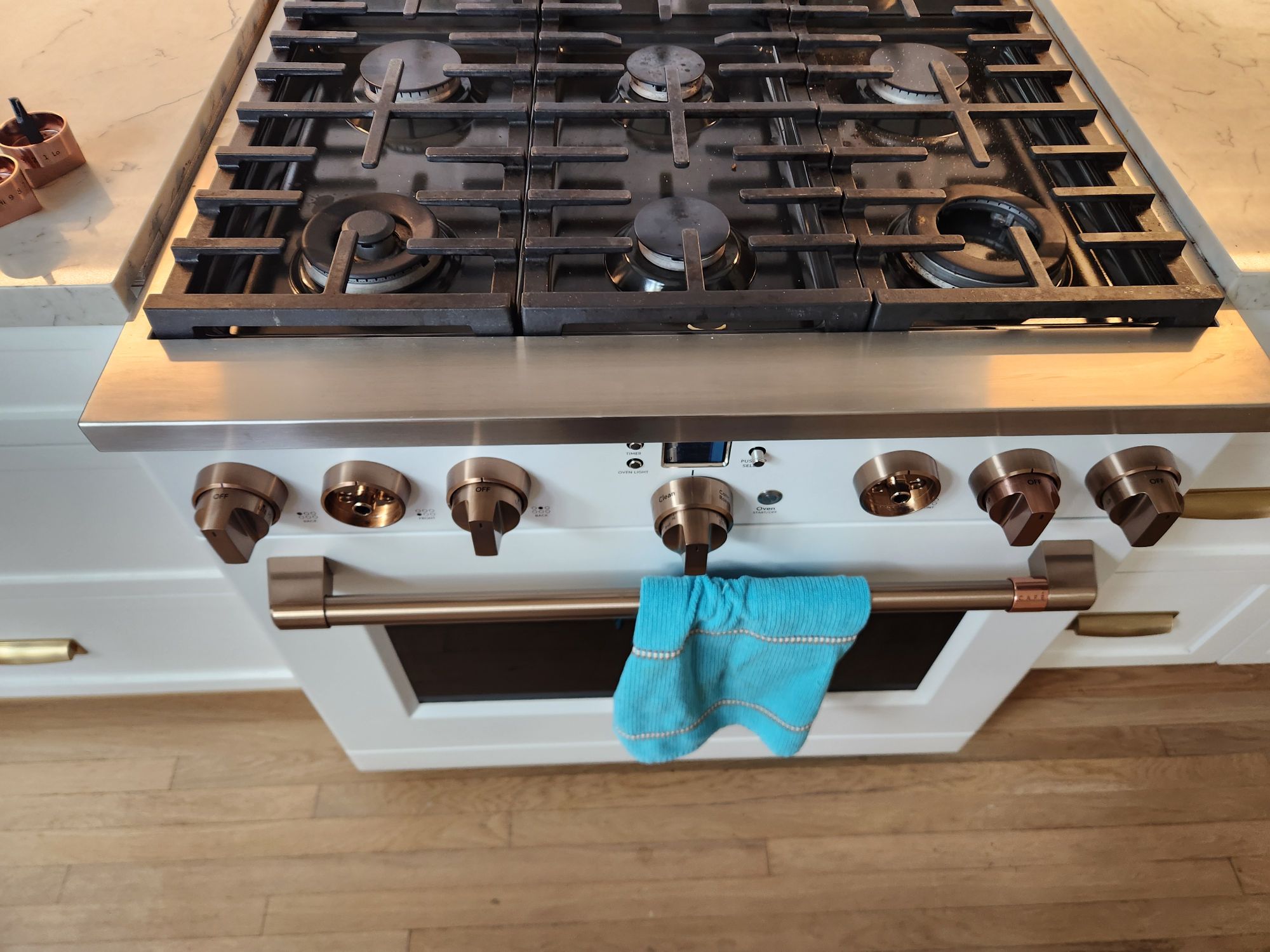
A working gas cooktop should provide a steady flame that allows you to cook your meals safely and efficiently. Yet, many homeowners notice a problem that is often ignored until it becomes serious: the burner lights up initially but weakens shortly afterward. This subtle issue may seem minor, but it is often a warning sign of a dangerous gas flow problem.
Gas cooktops rely on a steady supply of gas at the correct pressure to function properly. When a burner ignites and then weakens, it can indicate that the gas flow is inconsistent. This may be caused by partially blocked burners, faulty gas valves, or pressure fluctuations in the supply line. Each of these issues can disrupt cooking and, more importantly, compromise safety.
Common Causes of Weakening Flames
- Clogged Burner Ports
Burner ports are small openings where gas mixes with air and ignites. Over time, these ports can become clogged with food debris, grease, or residue from cooking. Even a partially blocked port can reduce flame strength, making it difficult to maintain a consistent heat output. - Faulty Gas Valves
Gas valves regulate the flow of gas from the supply line to the burners. If a valve is failing or partially blocked, it may allow gas to ignite initially but fail to sustain the proper flow. This can lead to weak flames, uneven cooking, and in some cases, delayed ignition on other burners. - Pressure Problems in the Gas Line
Home gas lines should maintain a specific pressure to ensure burners function correctly. Pressure that is too low or fluctuating can cause flames to weaken after ignition. Low pressure may result from issues with the main supply, old piping, or leaks, while excessive pressure can also create instability and uneven heating. - Air-to-Gas Ratio Issues
Proper combustion requires a balanced mix of gas and air. If this ratio is off due to a blocked air shutter or vent, the flame may burn weakly or produce yellow tips. This not only affects cooking efficiency but can also indicate incomplete combustion, which can release dangerous carbon monoxide into your kitchen.
Why This Issue Is Dangerous
Weakening flames are not just a cooking inconvenience—they are a potential safety hazard. Inconsistent gas flow can cause:
- Gas Leaks: A faulty valve or disrupted flow can allow unburned gas to escape into your kitchen, creating a risk of fire or explosion.
- Incomplete Combustion: Weak flames may not fully ignite the gas, producing carbon monoxide, a colorless, odorless, and deadly gas.
- Damage to Cookware: Uneven heat can warp pots and pans, causing spills or burns when cooking.
- Kitchen Accidents: Sudden flame drops may cause food to splatter or boil over, leading to burns or fires.
Ignoring a weakening flame can turn a simple cooking problem into a major safety concern. The symptoms may start subtly, but over time, they often worsen, making it more difficult to control cooking temperatures and increasing the risk of gas-related hazards.
What You Can Do
Homeowners should not attempt major repairs on gas lines or burners themselves. Gas appliances require professional inspection and maintenance. Here are steps you can take:
- Regular Cleaning: Keep burner ports clean and free of debris. Remove grates and caps, and carefully clean each port using a small brush or pin.
- Monitor Flame Behavior: Watch for flickering, yellow tips, or flames that weaken after ignition. These are signs that professional attention is needed.
- Schedule Professional Service: Only licensed technicians can safely diagnose gas flow issues, adjust gas pressure, or repair valves. Attempting to fix these problems yourself can be extremely dangerous.
At HOME APPLIANCE SERVICE CENTER, our certified technicians specialize in gas appliance repair and maintenance. We can inspect your cooktop, identify the root cause of weakening flames, and restore your burners to full, safe operation. Don’t wait until a small problem turns into a serious hazard—schedule a service appointment today and cook with confidence again.
A burner that ignites but then weakens during cooking may seem like a minor inconvenience, but it is often a warning of a serious gas flow issue. From clogged burner ports to faulty valves and pressure problems, these issues can compromise safety and affect the efficiency of your kitchen. Professional inspection and maintenance are the only reliable ways to ensure safe, consistent flames. Protect your home and family by taking action now—contact HOME APPLIANCE SERVICE CENTER and ensure your gas cooktop operates safely and efficiently.
Contact us