619-928-5000
  Request Service
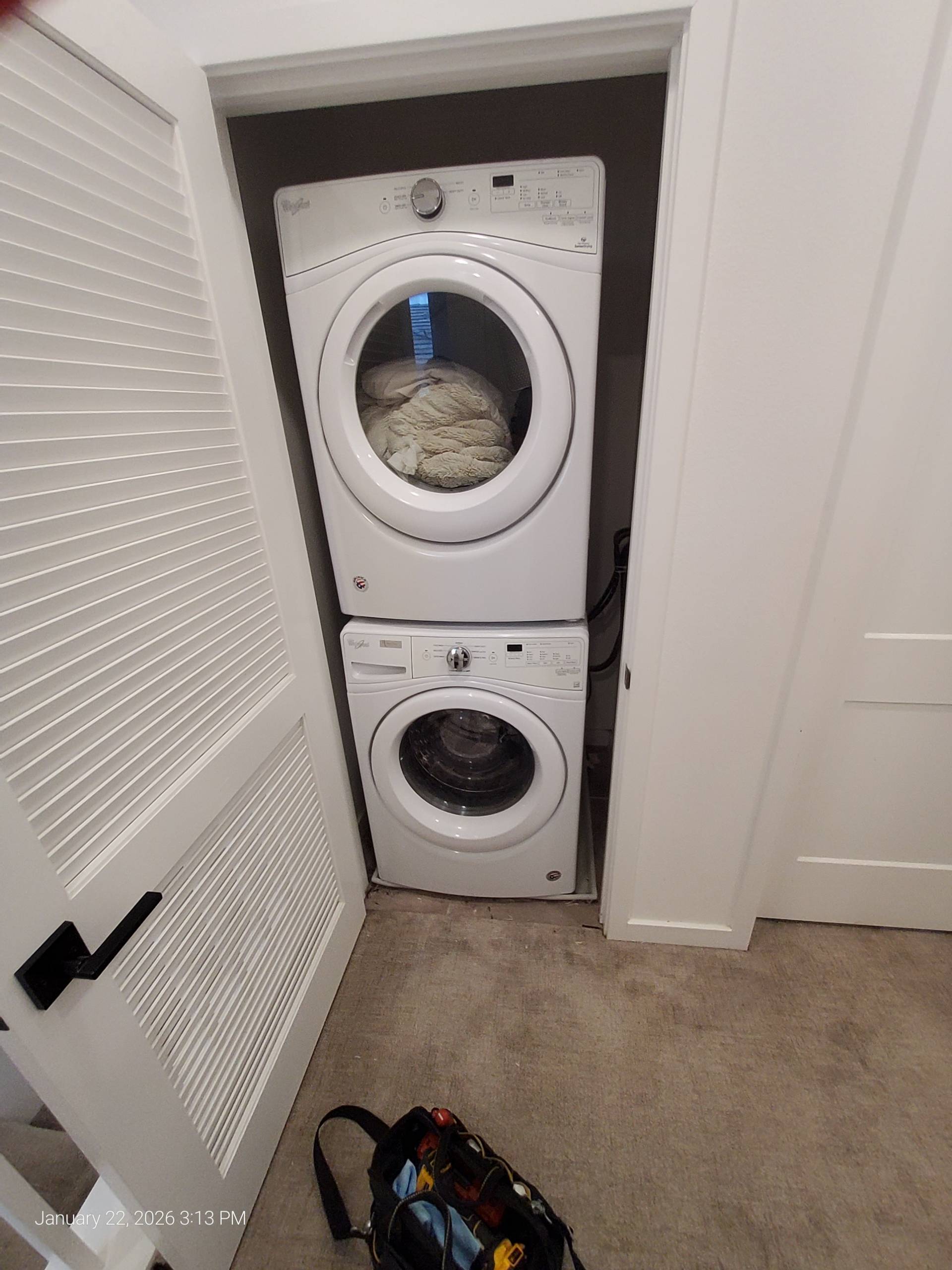
It can be frustrating to pull clothes from the dryer only to find them slightly damp, even after a full cycle. The immediate instinct for many homeowners is to simply run another cycle or extend the drying time. While this may temporarily reduce dampness, it doesn’t address the underlying issues causing your dryer to underperform. Relying on longer drying times not only wastes energy but may also indicate a hidden problem that could worsen over time.
Understanding Dryer Efficiency
Modern dryers are designed to remove moisture efficiently, using a combination of heat, airflow, and timed cycles. When a dryer consistently leaves clothes damp, it’s often a sign that something in this process isn’t functioning correctly. Common culprits include clogged vents, worn-out components, or sensor malfunctions.
Common Causes of Damp Clothes
- Clogged or Partially Blocked Vent
One of the most frequent reasons clothes remain damp is a clogged vent. Over time, lint, dust, and debris accumulate in the vent pipe or exhaust duct. This obstruction restricts airflow, reducing the dryer’s ability to circulate warm air effectively. As a result, clothes may take longer to dry or exit the dryer slightly damp. - Dirty Lint Trap or Filter
Even small amounts of lint left in the trap can hinder airflow within the dryer drum. While it may seem minor, restricted airflow increases drying time and reduces overall efficiency. Regular cleaning of the lint trap before each load is essential for optimal performance. - Malfunctioning Moisture Sensors
Most modern dryers are equipped with moisture sensors that detect when clothes are dry and automatically end the cycle. If these sensors become dirty, misaligned, or defective, they may falsely signal that the load is dry before it truly is. This can leave clothes damp even after the dryer has run its full cycle. - Worn or Damaged Components
Internal components like heating elements, thermostats, or blower fans may degrade over time. A partially failing heating element may not provide sufficient heat, while a weak blower fan reduces airflow. Both situations lead to incomplete drying and prolonged cycle times. - Overloading the Dryer
Even the most efficient dryer can struggle if overloaded. Clothes need space to tumble freely so hot air can reach all fibers. Overcrowding prevents proper airflow, leaving damp spots in larger or thicker items.
Why Extending Drying Time Isn’t the Best Fix
While it might seem easy to solve the problem by simply running the dryer longer, this approach only masks the real issue. Longer cycles consume more energy, increasing utility bills and putting extra strain on the dryer’s components. Over time, repeated overuse can accelerate wear and tear, leading to more costly repairs. Additionally, damp clothes left in a dryer for too long can develop musty odors or mildew, which further complicates laundry care.
Effective Solutions
Addressing the root cause is the only way to ensure consistently dry clothes:
- Clean Vents and Ducts: Inspect your dryer vent system for lint buildup and clean it thoroughly. Proper venting improves airflow and reduces drying times.
- Maintain the Lint Trap: Clean the lint filter before each load to maximize airflow and efficiency.
- Check Moisture Sensors: Ensure sensors are clean and functioning correctly. If necessary, have them professionally tested or replaced.
- Inspect Internal Components: Heating elements, thermostats, and blower fans should be periodically checked for wear or damage. A professional technician can diagnose and repair these issues.
- Avoid Overloading: Follow your dryer’s load recommendations to allow adequate airflow and tumbling space.
When to Call a Professional
If you’ve addressed the basic maintenance steps and clothes still come out damp, it’s time to call a professional. A trained technician can identify hidden issues, perform repairs safely, and restore your dryer to its optimal performance. Ignoring persistent drying problems can lead to higher energy bills, longer laundry cycles, and potential damage to your appliance.
Damp clothes after a full drying cycle are not just a minor inconvenience—they’re a sign that your dryer may not be functioning correctly. Extending drying times is not a sustainable solution and can even cause additional problems over time. Regular maintenance, careful use, and timely professional inspections are key to keeping your dryer efficient and reliable.
For expert diagnosis and repair, contact HOME APPLIANCE SERVICE CENTER. Their trained technicians can quickly identify the cause of damp clothes, restore your dryer’s performance, and save you time and energy on every load. Don’t settle for damp laundry—get professional help today.
Contact us