619-928-5000
  Request Service
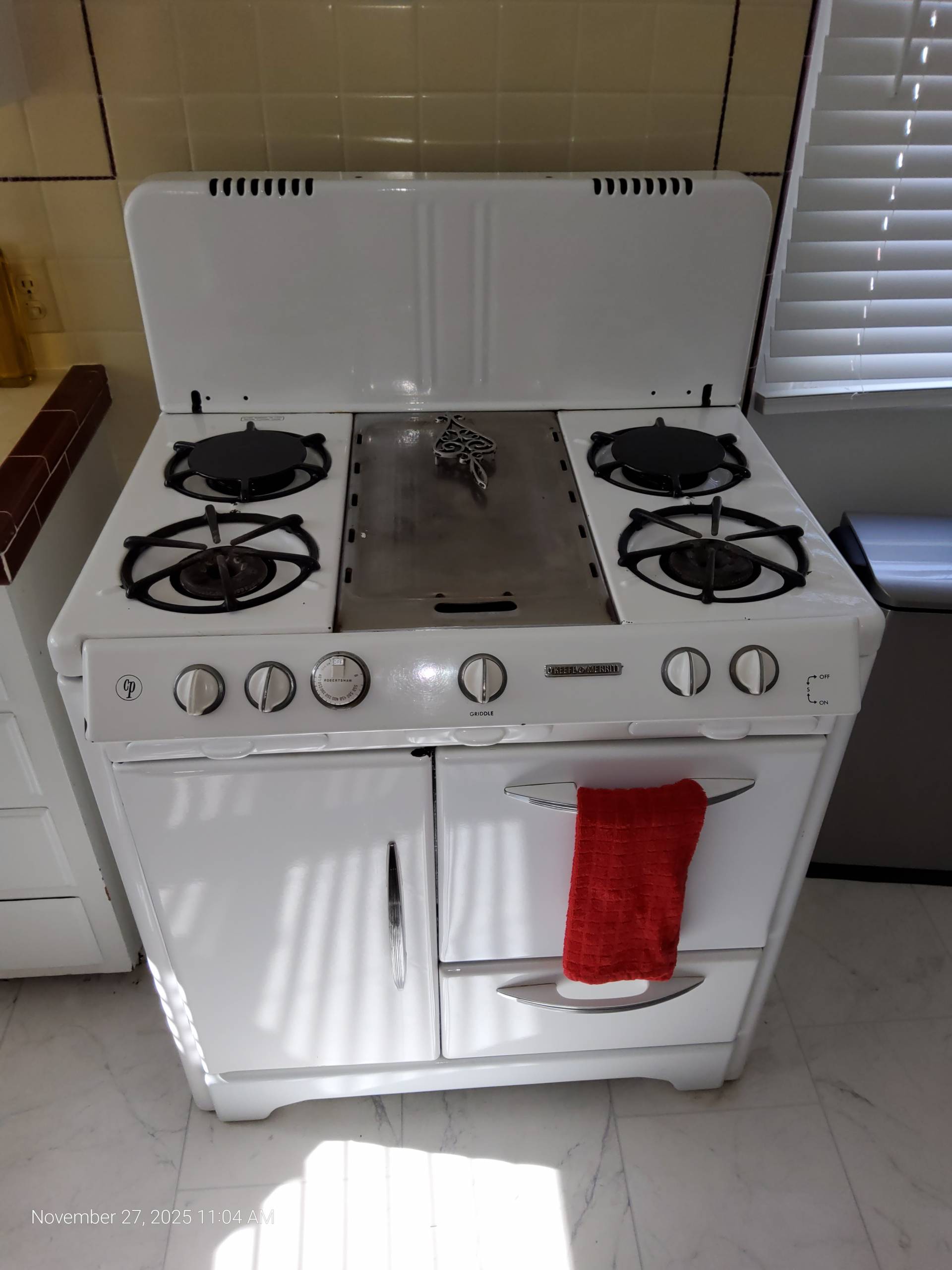
At first glance, your gas stove seems to be working exactly as it should. The burner ignites instantly, the flame appears blue and stable, and there are no obvious warning signs. But once cooking begins, something feels off. Water takes longer to boil. Pans lose heat midway through cooking. Recipes that once worked perfectly now require constant adjustment. This frustrating issue often points to a pressure instability fault hiding deep within the gas supply system.
Unlike total ignition failures, pressure instability is subtle. Because the stove lights normally, many homeowners assume the appliance itself is fine. In reality, fluctuating gas pressure can quietly undermine performance, efficiency, and safety over time.
What Pressure Instability Looks Like in Daily Use
Pressure instability doesn’t usually cause dramatic flame-outs or loud noises. Instead, it shows up as inconsistent heat output. You may notice the flame shrinking after a few minutes of use, or burners losing strength when multiple burners are turned on at once. Some dishes cook unevenly, while others take far longer than expected.
These symptoms often worsen gradually. At first, the change is barely noticeable. Over weeks or months, however, the stove’s performance becomes unreliable, making cooking frustrating and unpredictable.
Why the Stove Still Ignites Normally
Modern gas stoves are designed to ignite even when gas pressure is not perfectly regulated. As long as the initial pressure meets the minimum requirement, the igniter will spark and light the burner. However, maintaining consistent heat requires stable pressure throughout the cooking process.
When pressure fluctuates after ignition, the flame weakens or narrows. This creates the illusion of a functioning stove while masking a deeper system issue.
Common Causes of Pressure Instability
Several hidden problems can lead to unstable gas pressure:
- Aging or partially clogged gas regulators that no longer respond accurately to demand changes
- Debris or residue in gas lines, restricting flow during extended use
- Faulty valves that fail to maintain consistent output under load
- Improper installation or past repairs that left the system slightly out of balance
- Shared gas supply issues, especially in homes with multiple gas appliances operating simultaneously
Any of these conditions can allow enough gas for ignition but fail to sustain proper heat levels during cooking.
Why Ignoring the Issue Is Risky
Pressure instability is more than a cooking inconvenience. Inconsistent gas flow forces burners to operate inefficiently, increasing gas consumption and utility costs. Over time, uneven combustion can cause excessive wear on burner components, igniters, and valves.
There is also a safety concern. Fluctuating pressure may lead to incomplete combustion, increasing the risk of carbon monoxide buildup or delayed ignition in certain conditions. While the stove may not shut down entirely, these hidden risks grow with continued use.
Why DIY Fixes Often Miss the Real Problem
Many homeowners try cleaning burner caps or adjusting flame settings, hoping to restore normal heat. While these steps may temporarily improve performance, they rarely solve pressure-related issues. The root cause typically lies beyond visible components, within the regulator or gas supply system itself.
Attempting to adjust or repair gas components without proper training can also be dangerous. Gas systems require precise calibration and testing to ensure safe, consistent operation.
How Professional Diagnosis Makes the Difference
A trained technician can measure gas pressure under real cooking conditions, not just at startup. This allows them to identify pressure drops that occur only after sustained use or when multiple burners are active.
Professional service includes inspecting regulators, valves, connections, and internal components for wear or imbalance. Once identified, the correct repair restores stable heat output, improves efficiency, and ensures long-term safety.
Restore Reliable Cooking Performance
If your gas stove ignites instantly but struggles to maintain heat, don’t ignore the signs. Pressure instability rarely fixes itself, and delaying service often leads to higher repair costs later.
For accurate diagnosis and safe, professional repair, contact HOME APPLIANCE SERVICE CENTER today. Their experienced technicians can restore stable heat, protect your appliance, and bring confidence back to your kitchen.
Contact us