619-928-5000
  Request Service
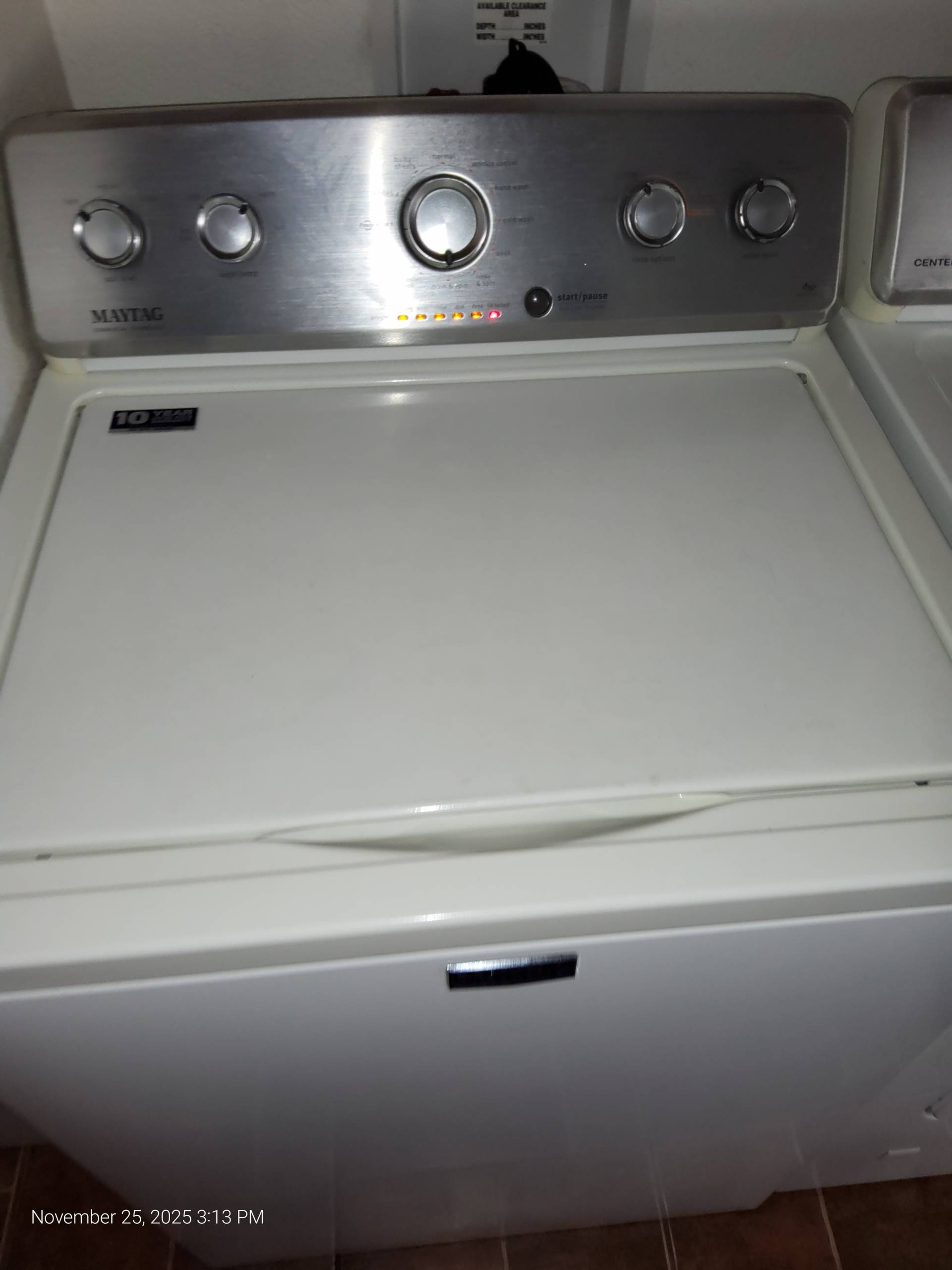
You’ve just finished a laundry load. You eagerly open the washing machine, expecting soft, evenly spun clothes, but instead, you find them tangled, stretched, and oddly twisted. Many homeowners dismiss this as normal wear and tear or blame the way they load the machine. In reality, there’s a hidden mechanical issue that most users never notice: a torque imbalance inside the washing machine.
Understanding Torque Imbalance
Torque imbalance occurs when the drum’s rotation does not distribute force evenly across its contents. Washing machines rely on precise, synchronized movement to agitate and spin clothes effectively. When one side of the drum exerts more force than the other, the clothes experience uneven stress. This imbalance can cause tangling, stretching, or even small tears in fabrics over time.
Unlike obvious mechanical faults like leaks or a broken door latch, torque imbalance is subtle. Your machine may complete a cycle normally, make no unusual noises, and seem fully functional. Yet the hidden forces inside can compromise both clothing and the machine itself. Over time, persistent torque issues can lead to excessive wear on the drum bearings, suspension springs, and motor components — potentially resulting in costly repairs if left unaddressed.
Common Signs of Torque Imbalance
Detecting a torque imbalance early can save money and protect your clothing. Some telltale signs include:
- Twisted or tangled clothes: Laundry clumps together at the end of the cycle.
- Unevenly damp garments: Some items come out wetter than others despite a full spin cycle.
- Excessive vibration or rocking: The machine moves or vibrates more than usual, especially during high-speed spins.
- Noises that vary with load: Clicking, thumping, or scraping sounds may appear when certain items are loaded.
While occasional imbalance can result from uneven loading, persistent twisting indicates an internal mechanical issue.
Why This Happens
Several internal factors can cause torque imbalance:
- Worn suspension springs or dampers: These components help stabilize the drum during rotation. Weak or broken springs allow the drum to tilt, creating uneven force.
- Motor or drum misalignment: Over time, the drum or motor coupling can shift slightly, changing the way torque is applied.
- Faulty load sensors: Many modern washing machines adjust spinning speed based on load size. A miscalibrated sensor can cause uneven drum movement.
- Bearing wear: Drum bearings carry the weight of wet laundry. Uneven wear alters drum rotation, producing stress on fabrics.
Each of these factors may not trigger an outright machine failure immediately, which is why many homeowners only notice the problem when their clothes start showing damage.
Preventive Steps You Can Take
Before calling a technician, there are a few steps you can take to reduce the risk of torque imbalance:
- Load clothes evenly: Distribute heavy and light items throughout the drum. Avoid overloading.
- Use appropriate cycles: High-spin settings are ideal for towels or heavy fabrics but may stress delicate items.
- Check for leveling: Ensure the washing machine is perfectly level. Even slight tilts can magnify imbalance during spins.
- Rotate loads: If possible, avoid repeatedly washing similar heavy items together.
While these steps help, they are not substitutes for a professional inspection. A torque imbalance often requires hands-on diagnosis and repair to restore proper drum function.
The Role of Professional Service
At HOME APPLIANCE SERVICE CENTER, our certified technicians specialize in identifying hidden washing machine issues. We inspect drum alignment, motor function, suspension systems, and load-sensing mechanisms. Our goal is not only to fix immediate problems but also to extend the life of your appliance and protect your clothes from stress and twisting.
Ignoring a torque imbalance can escalate minor wear into major repairs, or even total drum failure. Professional service ensures your washing machine runs smoothly, quietly, and efficiently — keeping your laundry safe and your appliance performing at its best.
A washing machine that completes its cycle doesn’t always mean everything is working correctly. Twisted, stressed, or tangled clothes are often a sign of a hidden torque imbalance, an issue that can silently damage both your fabrics and your appliance. Recognizing the signs and taking action early can save time, money, and frustration.
If your clothes consistently come out twisted or stressed, don’t wait until a small problem becomes a major repair. Contact HOME APPLIANCE SERVICE CENTER today for a professional inspection and repair. Let us restore balance to your washing machine, protect your fabrics, and keep your laundry running smoothly.
Contact us