619-928-5000
  Request Service
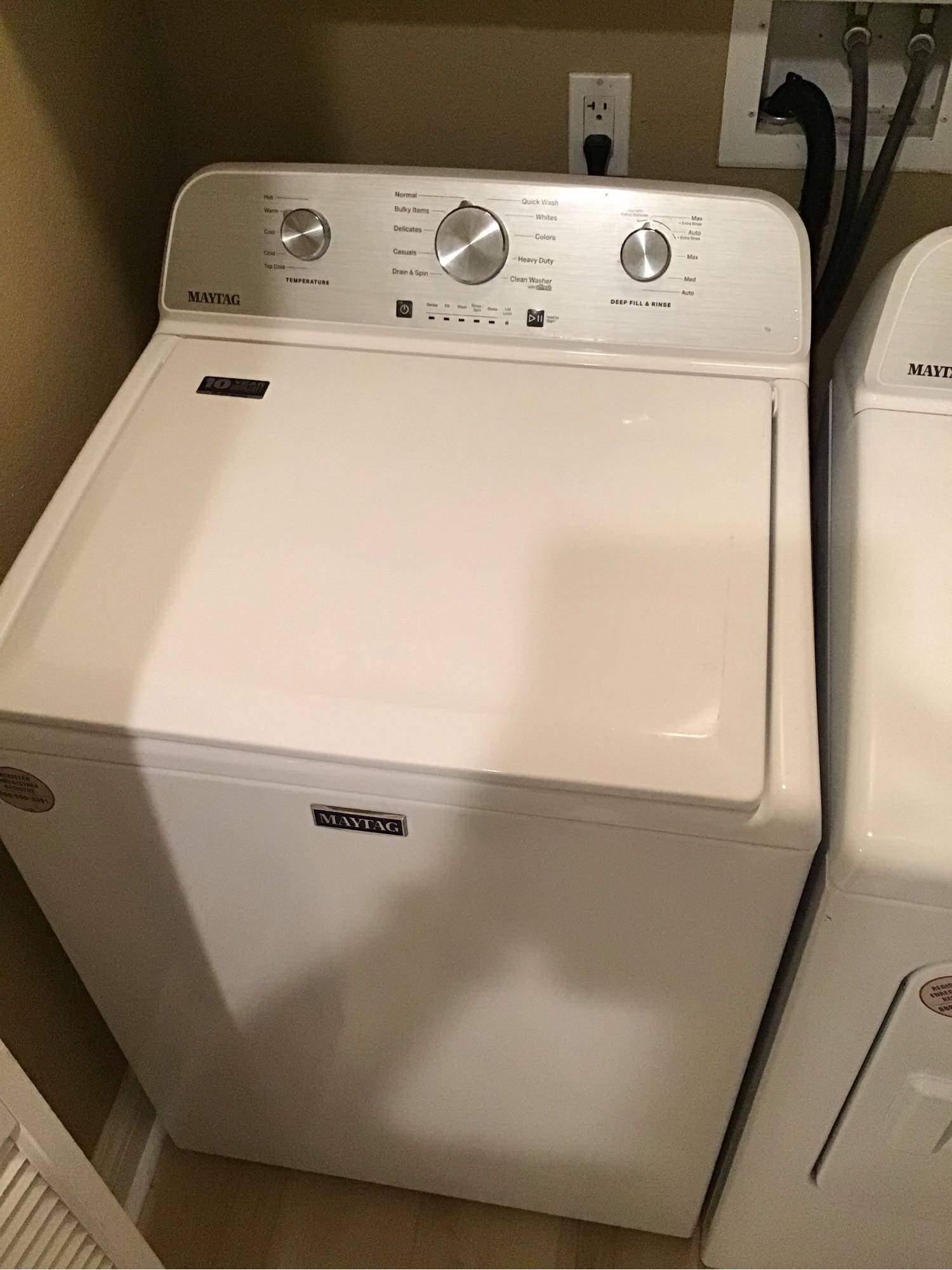
The detergent dispenser in an LG washing machine is designed to release detergent and fabric softener at the correct stage of the wash cycle. When detergent remains in the drawer after the cycle, gets washed into the tub only partially, or stays completely dry, the problem can affect cleaning performance and may indicate an issue with the dispenser assembly or water supply system.
A small amount of detergent residue can be normal, especially when using powdered detergent or washing with cold water. However, if the dispenser repeatedly fails to empty, leaves large amounts of detergent behind, or does not receive enough water during the cycle, the machine should be inspected.
A Clogged Dispenser Drawer Can Prevent Proper Detergent Release
One of the most common causes is a dirty or clogged dispenser drawer. Detergent can accumulate inside the compartments and create a thick residue that blocks the passages where water should flow.
Liquid detergent, powdered detergent, fabric softener, and additives can all contribute to buildup. If the drawer is rarely removed and cleaned, residue may become difficult to remove and interfere with normal operation.
The drawer itself may also become sticky or difficult to move. Some LG models have removable dispenser components that can be cleaned separately. Removing the drawer according to the manufacturer’s instructions and washing away accumulated residue may solve a minor blockage.
If the drawer is clean but the problem continues, another component may be responsible.
Blocked Water Jets Above the Dispenser
Water enters the dispenser through small openings located above or around the drawer. These jets direct water into the appropriate compartment and carry the detergent into the washing machine.
Mineral deposits, detergent residue, and dirt can partially block these openings. When that happens, the machine may still appear to fill normally, but there may not be enough water pressure reaching the detergent compartment.
A weak stream of water can leave detergent behind instead of flushing the compartment completely.
Cleaning accessible water openings can help when the blockage is minor. However, if water flow remains weak after cleaning, the issue may involve the washing machine’s water supply system.
A Restricted Water Inlet Can Affect the Dispenser
The dispenser depends on a sufficient supply of water. If the washing machine is not receiving enough water, detergent may not be flushed from the drawer.
Several things can restrict water flow. The household water supply may be partially closed, the inlet hose may be kinked, or the small filter screens inside the inlet valve may be clogged with sediment.
A machine can sometimes continue operating despite reduced water flow, making the problem easy to overlook. You may notice that the wash cycle takes longer than usual, fills slowly, or leaves detergent in the dispenser.
The inlet screens should be inspected carefully. They are delicate, and aggressive cleaning can damage them. If the water supply and hose appear normal, testing the inlet valve may be necessary.
The Water Inlet Valve May Be Failing
The water inlet valve controls the flow of water into the washing machine. Depending on the model and cycle, different sections of the valve may control different water paths.
If the valve is electrically or mechanically defective, the machine may receive little or no water through the section responsible for flushing the dispenser.
A failing valve can produce symptoms such as weak water flow, slow filling, or detergent remaining in one particular dispenser compartment.
Diagnosing the valve usually requires checking electrical components and water flow. Replacing the valve without determining whether it is actually defective can result in unnecessary repairs.
Dispenser Components Can Also Wear Out
The dispenser system contains more than a plastic drawer. Depending on the LG model, it may include inserts, siphon components, water channels, and internal mechanisms designed to direct detergent or fabric softener.
A damaged insert can interfere with the proper flow of liquid products. A missing or incorrectly installed component can also cause detergent or softener to remain in the drawer.
If the drawer has been removed for cleaning, make sure every removable component is returned to its correct position. Using the wrong compartment for a particular detergent can also contribute to residue and dispensing problems.
Detergent Type and Quantity Matter
The type and amount of detergent can affect how well the dispenser works. Using too much detergent can create excessive residue, particularly with cold-water cycles or when washing with a low amount of water.
High-efficiency LG washing machines require HE detergent. Using excessive amounts or the wrong product can result in buildup inside the dispenser and other parts of the machine.
Powdered detergent may also have more difficulty dissolving when the water temperature is low. This does not necessarily mean the washing machine has a mechanical failure, but persistent residue should still be investigated.
When the Problem Requires Professional Service
Start by checking whether the dispenser is clean, the drawer is installed correctly, and the water supply is fully open. If these basic checks do not resolve the issue, the washing machine may require a more detailed inspection.
A technician can examine the dispenser assembly, water inlet valve, inlet screens, hoses, and water passages. Electrical testing can also help determine whether the inlet valve is receiving the correct signal from the control system.
Professional diagnosis is particularly useful when the machine has additional symptoms such as slow filling, unusual noises during water entry, error codes, or inconsistent water flow.
Ignoring the issue can allow detergent buildup to become worse and may affect washing results over time.
If your LG washing machine is leaving detergent in the dispenser, HOME APPLIANCE SERVICE CENTER can inspect the appliance and identify the cause of the dispensing problem. Contact the service center to schedule appliance repair and get your washing machine back to normal operation.
Phone: (619) 928-5000
Email: [email protected]