619-928-5000
 Request Service

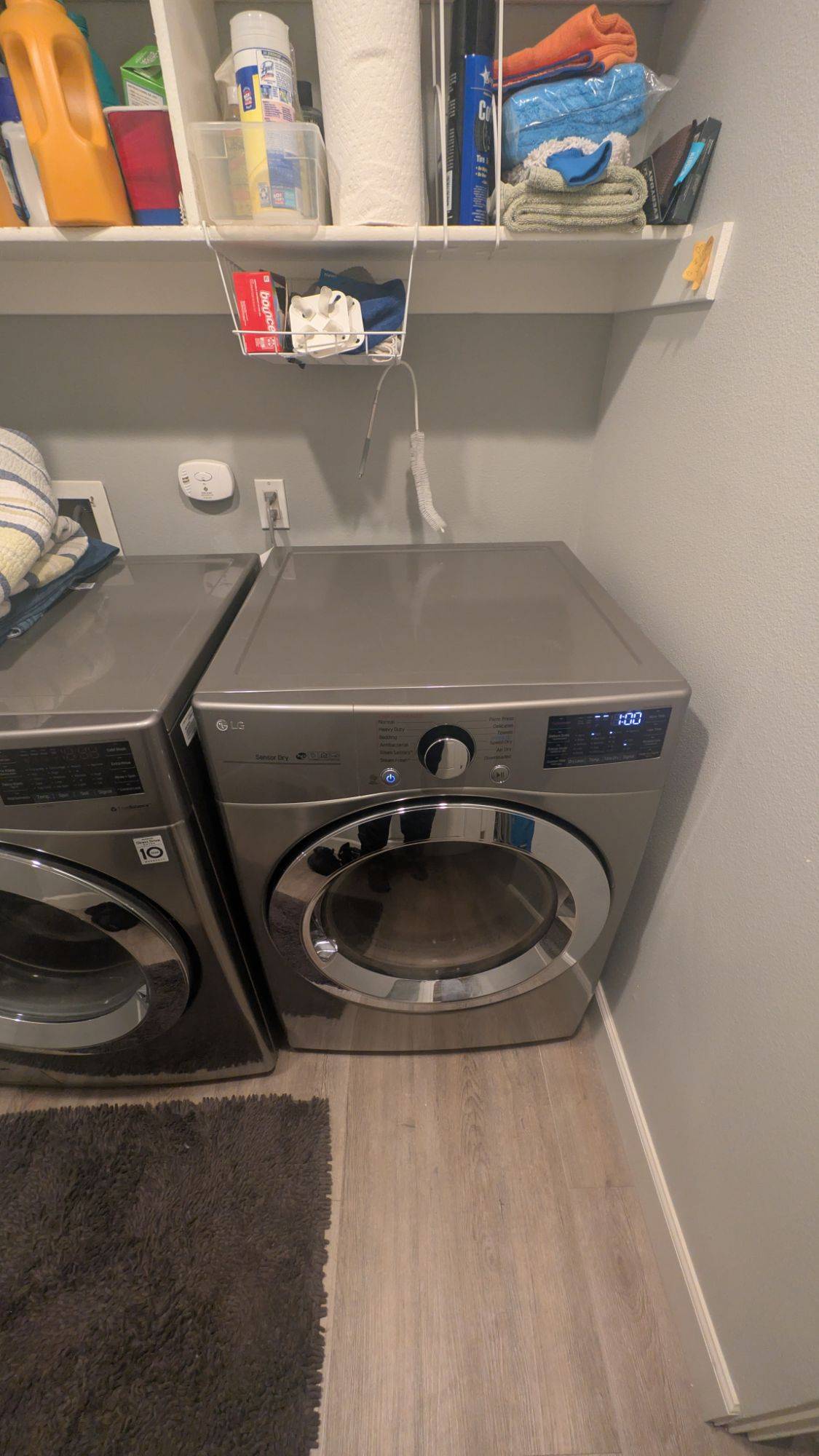
A Maytag washing machine that operates normally with smaller loads but refuses to spin when filled with laundry may have a developing mechanical or electrical problem. The spin cycle requires considerable motor power and a properly functioning suspension system to maintain stability while removing excess water from fabrics. When internal components can no longer handle the additional weight of a full laundry load, the appliance may reduce its spinning speed, interrupt the cycle, or stop operating altogether. Identifying the underlying malfunction can help homeowners prevent further component deterioration and restore dependable laundry performance.
Why Full Laundry Loads Affect Spinning Performance
During the spin cycle, the washing machine must accelerate the drum while maintaining proper balance and controlling mechanical vibrations. Water-saturated clothing, towels, and bedding significantly increase the weight that the motor and suspension system must support.
A washing machine with deteriorating components may still operate effectively when handling lightweight fabrics but experience difficulties when additional mechanical resistance develops. Modern Maytag washing machines also incorporate protective mechanisms that may interrupt spinning when excessive movement, motor strain, or load imbalance is detected. These interruptions help protect internal components from potentially extensive damage.
Motor Overload and Reduced Operating Power
The drive motor generates the mechanical power necessary to rotate the washing machine drum throughout different cycle stages. When the motor develops internal electrical or mechanical problems, its ability to accelerate a heavily loaded drum may gradually decrease.
Overheating, deteriorating motor windings, and excessive mechanical resistance can contribute to motor overload. Depending on the appliance model, protective mechanisms may temporarily interrupt motor operation to prevent further damage when operating temperatures or electrical demands exceed acceptable limits.
Homeowners may notice that the washing machine successfully completes smaller laundry loads but struggles when washing blankets, towels, or heavy clothing. Professional motor diagnostics can determine whether reduced motor performance or another mechanical problem is responsible.
Worn or Damaged Suspension Components
The suspension system maintains tub stability while absorbing mechanical forces generated during washing and spinning. Depending on the Maytag washing machine model, this system may incorporate suspension rods, springs, shock absorbers, and supporting brackets.
As these components deteriorate, their ability to stabilize heavier laundry loads becomes increasingly limited. Excessive tub movement can trigger the appliance’s imbalance detection system, preventing the drum from reaching its intended spinning speed.
Additional indications of suspension failure may include loud knocking sounds, excessive cabinet movement, repeated attempts to redistribute laundry, and clothing that remains unusually wet after the cycle. Replacing damaged suspension components can help restore proper tub stability and consistent spinning performance.
Damaged Drive Belt or Mechanical Coupling
Certain Maytag washing machines utilize drive belts or mechanical couplings to transfer power from the motor to the drum assembly. These components must withstand varying levels of mechanical resistance throughout the washing and spinning processes.
A stretched drive belt may slip when the motor attempts to accelerate a heavily loaded drum, while a deteriorating coupling may struggle to transfer sufficient mechanical power. Although the appliance may continue operating with smaller loads, spinning performance can decline considerably as laundry weight increases.
Inspecting the drive mechanism allows technicians to identify worn components and determine whether mechanical repairs are necessary to restore reliable operation.
Defective Motor Control Board
The motor control system regulates drum movement, acceleration, and spinning speed according to instructions received from the washing machine’s electronic control system. When electronic components become damaged, the motor may receive inconsistent operating signals or insufficient power to handle demanding laundry loads.
Electrical fluctuations, excessive heat, moisture exposure, and natural component deterioration can contribute to control board malfunctions. Additional symptoms may include irregular drum movement, unexpected cycle interruptions, and inconsistent responses to selected washing programs.
Because motor and electronic control problems frequently produce similar symptoms, professional electrical testing is necessary before recommending component replacement.
Drainage Restrictions and Excessive Water Weight
A washing machine must remove wastewater before beginning its high-speed spin cycle. When drainage becomes restricted, excess water remains inside the tub, increasing the mechanical resistance that the motor must overcome.
Clogged drain filters, obstructed hoses, and malfunctioning drain pumps may prevent the appliance from completing drainage efficiently. Depending on the model, the electronic control system may also prevent high-speed spinning until the correct water level has been detected.
Inspecting the drainage system is particularly important when spinning problems are accompanied by standing water, extended cycle durations, or unusual pump noises.
Preventing Excessive Mechanical Stress
Following the manufacturer’s laundry capacity recommendations can help reduce unnecessary pressure on the washing machine’s motor, suspension, and drive components. Distributing heavy items evenly throughout the drum and maintaining proper appliance leveling can also improve spinning stability.
However, a Maytag washing machine that consistently refuses to spin with loads within its recommended capacity may require professional mechanical or electronic diagnostics. Continuing to operate the appliance under these conditions could accelerate component deterioration.
Professional Maytag Washing Machine Repair
Accurate diagnostics are essential for determining whether spinning problems originate from motor overload, suspension deterioration, damaged drive components, or restricted drainage. A comprehensive inspection helps prevent unnecessary part replacements and ensures that repairs address the underlying malfunction.
HOME APPLIANCE SERVICE CENTER provides professional Maytag washing machine diagnostics and repair services to restore dependable appliance performance. Our technicians can identify mechanical and electronic failures affecting the spin cycle and recommend an appropriate repair solution.
Contact HOME APPLIANCE SERVICE CENTER today to schedule professional washing machine repair, prevent further component damage, and enjoy consistent laundry performance.
Contact us
(619) 928-5000