619-928-5000
 Request Service
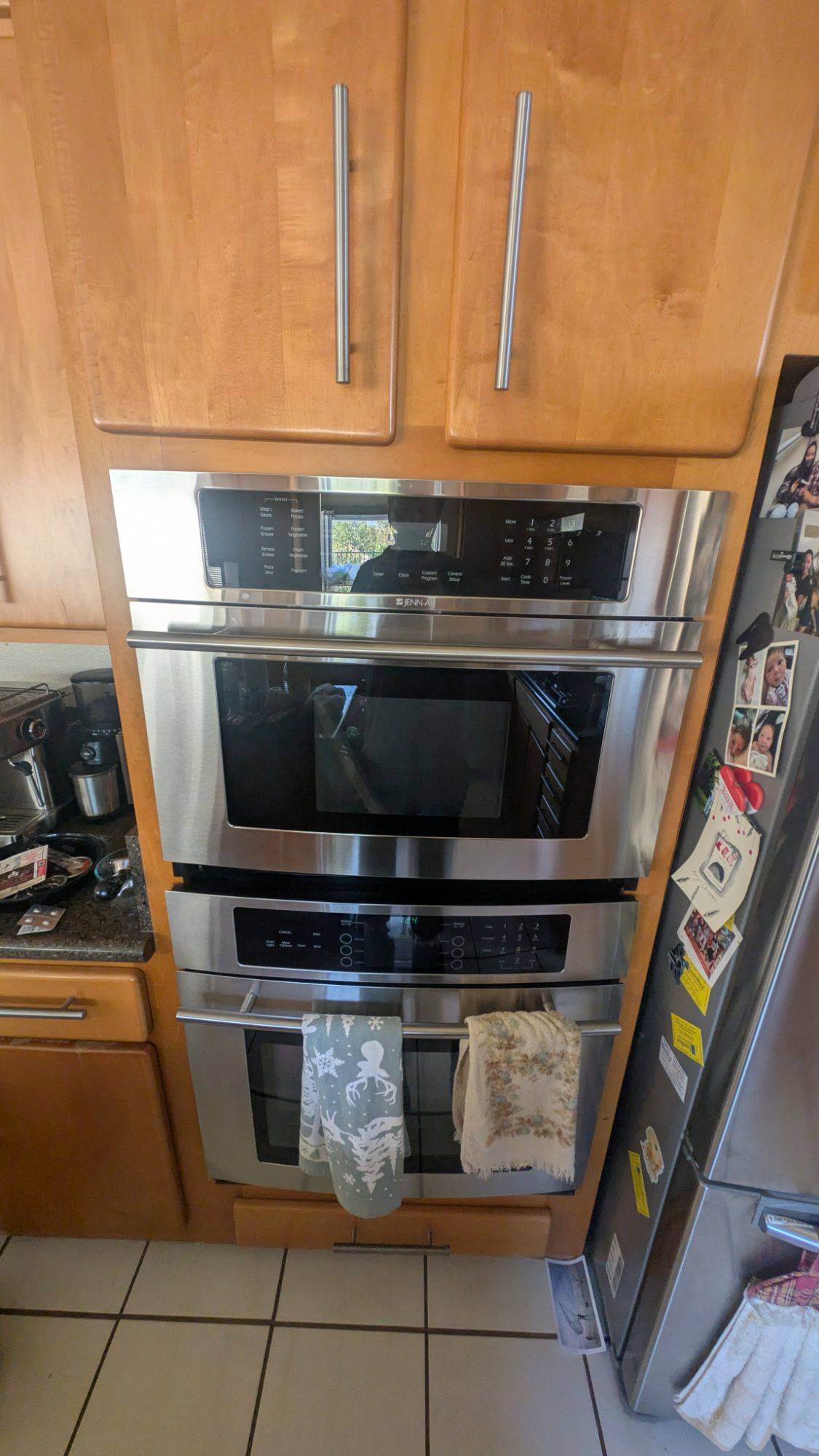
A GE oven that stops its self-cleaning cycle before completion may have a problem with the door locking mechanism, temperature sensor, or electronic control system. Homeowners may notice that the cleaning program starts normally but shuts down unexpectedly, displays an error code, or leaves the oven door locked. These interruptions can prevent the appliance from completing its cleaning process and may indicate a component that requires professional inspection.
The self-cleaning function uses extremely high temperatures to break down grease, food residue, and other deposits inside the oven cavity. During this process, the appliance relies on temperature monitoring, door locking mechanisms, and electronic controls to maintain safe operating conditions. If one of these systems fails or provides incorrect information, the oven may interrupt the cleaning cycle to prevent unsafe operation.
A defective door lock assembly is one possible cause of premature self-cleaning shutdowns. GE ovens are designed to keep the door securely locked while the interior reaches high cleaning temperatures. Depending on the model, a motorized latch or another locking mechanism engages before the heating process begins. If the system cannot confirm that the door is properly locked, the control board may prevent the cycle from starting or stop it shortly afterward.
Door lock problems can develop through mechanical wear, damaged components, or electrical failures. The latch motor may become weak, internal gears can deteriorate, or the locking mechanism may become obstructed. Homeowners might hear repeated clicking or humming as the oven attempts to engage the lock. In some cases, the display may indicate a door lock error even when the door appears completely closed.
The door lock switch is another component that deserves attention. This switch communicates the latch position to the oven’s electronic controls. If the switch becomes defective or its wiring connection deteriorates, the control board may receive incorrect information about the door’s status. As a result, the oven may cancel the cleaning program because it cannot verify that the door is securely locked.
A malfunctioning temperature sensor can also interrupt the self-cleaning cycle. The oven temperature sensor monitors conditions inside the cooking cavity and sends information to the control system. During self-cleaning, accurate temperature readings are particularly important because the appliance operates at much higher temperatures than during ordinary baking.
If the temperature sensor develops an electrical fault or begins reporting inaccurate readings, the control board may respond incorrectly. The oven might stop heating too early, display a temperature-related error, or terminate the cleaning program. Sensor problems may also affect normal cooking performance, causing uneven baking, inaccurate temperatures, or unexpected heating interruptions.
Temperature sensors can deteriorate because of repeated exposure to heat and normal component aging. Damaged wiring, loose connectors, or electrical resistance outside the manufacturer’s specifications may interfere with accurate measurements. A technician can test the sensor and associated wiring to determine whether replacement is necessary. Because sensor specifications vary between GE models, testing should follow the appropriate service information.
Overheating protection devices may also cause a self-cleaning cycle to stop. Many ovens include thermal switches, thermostats, or thermal fuses designed to interrupt operation when excessive temperatures are detected. These protective components help reduce the risk of damage from abnormal heating conditions. If a safety device activates, the oven may shut down or lose power to certain functions.
A thermal protection failure may be related to ventilation restrictions, cooling fan problems, or excessive heat accumulation around electronic components. Some GE ovens use cooling fans to manage temperatures near control boards and surrounding cabinet structures. If a fan fails or airflow becomes restricted, heat may build up and interfere with normal operation. Replacing a thermal safety component without investigating the underlying cause may allow the problem to return.
Electronic control board problems are another possible explanation. The control board coordinates heating elements, temperature monitoring, door locking, and cleaning cycle timing. If internal electronic components deteriorate or become damaged by heat, the oven may stop responding correctly during self-cleaning. Symptoms can include unexpected shutdowns, unresponsive controls, error messages, or cycles that repeatedly terminate at similar points.
Power supply problems can also interrupt the cleaning process. Electric ovens require stable electrical connections and the correct supply voltage for proper operation. Loose wiring, damaged terminal connections, or circuit problems may cause intermittent heating or unexpected shutdowns. These conditions require professional attention because oven electrical systems operate at potentially dangerous voltages.
The condition of the oven door and its sealing components may influence self-cleaning performance. A damaged gasket, misaligned door, or loose hinge can allow excessive heat to escape from the cooking cavity. This may affect temperature regulation and place additional stress on surrounding components. Homeowners should inspect visible door components for obvious damage but avoid modifying or replacing seals without following manufacturer recommendations.
Excessive grease and food residue can also create problems during self-cleaning. Large amounts of accumulated material may produce heavy smoke and unusually high localized temperatures. GE recommends specific preparation procedures for self-cleaning ovens, which may include removing loose debris and certain accessories before starting the cycle. Following the instructions for the exact model helps reduce unnecessary heat exposure and cleaning interruptions.
Homeowners should avoid repeatedly restarting a self-cleaning cycle that stops unexpectedly. Repeated exposure to high temperatures may worsen an existing electrical or mechanical problem. If the oven displays an error code, recording it can help a technician identify the affected system. Allow the appliance to cool completely before attempting any permitted cleaning or inspection.
A locked oven door should never be forced open. Many GE ovens keep the door locked until the interior temperature drops to a safe level, even after the cleaning program has ended or been interrupted. If the door remains locked after the appliance has cooled, the latch mechanism or electronic controls may require professional service.
Professional GE oven diagnostics may include inspecting the door lock motor, latch switches, temperature sensor, thermal protection devices, cooling system, and electronic control board. Technicians can test electrical components and identify whether the problem involves inaccurate temperature readings, mechanical locking failure, or overheating protection.
A GE oven that stops its self-cleaning cycle before completion may have a defective door lock, malfunctioning temperature sensor, damaged wiring, or electronic control problem. HOME APPLIANCE SERVICE CENTER provides professional GE oven diagnostics and repair services, including door lock replacement, temperature sensor testing, and self-cleaning system troubleshooting. Contact HOME APPLIANCE SERVICE CENTER today to schedule professional GE oven repair and restore safe, reliable appliance operation.
Contact us
(619) 928-5000