619-928-5000
 Request Service
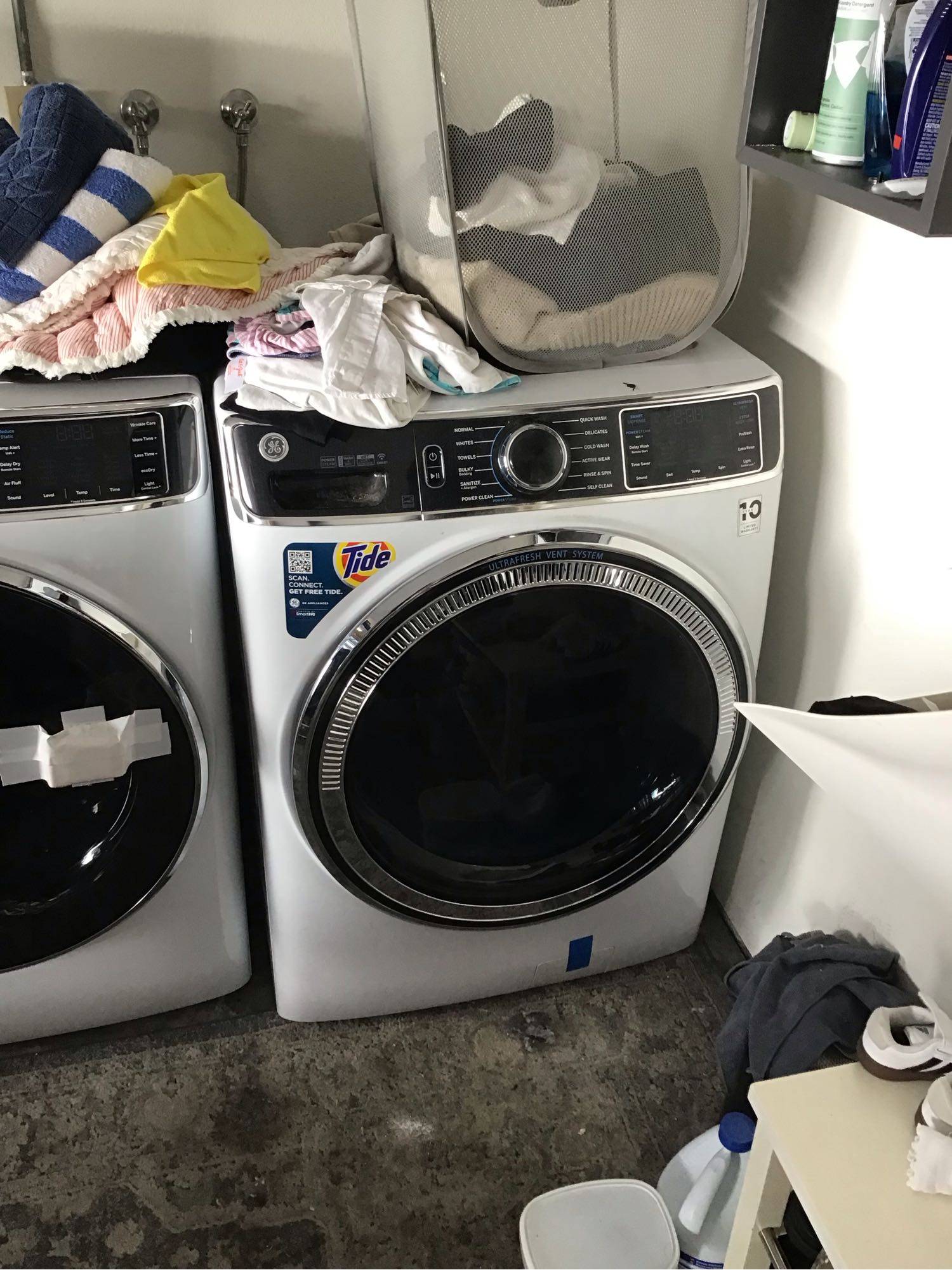
A Kenmore washing machine that fills with water and immediately drains can disrupt your laundry routine and leave clothes sitting in the drum without completing a wash cycle. The machine may take in water normally, begin draining before agitation starts, or repeatedly refill and empty without progressing through the selected program. Although this behavior can resemble a normal drain cycle, it often points to an installation issue or a malfunctioning component that requires inspection.
Two common causes are an incorrectly installed drain hose and a faulty water-level pressure switch or its associated air-pressure system. Understanding how these components work can help you recognize the problem and determine when professional appliance repair is necessary.
Incorrect Drain Hose Installation
Drain hose positioning is one of the first things to check when a Kenmore washing machine fills and then empties itself. If the hose is installed too low, gravity can pull water out of the washer before the cycle begins. This phenomenon is known as siphoning.
A washing machine’s drain system is designed to remove water when the drain pump operates. However, if the hose arrangement allows water to flow continuously toward the household drain, the washer may lose water even when the pump is not running.
The drain hose must be installed at the height specified in the appliance’s installation manual. Its exact requirements vary by model, so there is no single height that applies to every Kenmore washer. The hose should also be secured correctly and inserted into the standpipe according to the manufacturer’s instructions.
Another potential issue occurs when the drain hose is pushed too far into the standpipe or the connection is sealed improperly. Depending on the installation, this can interfere with proper drainage and contribute to siphoning or other drain-related problems.
If the washer is relatively new, has recently been moved, or started exhibiting this behavior after plumbing work, hose installation deserves particular attention. Correcting the installation may resolve the problem without replacing any appliance components.
Faulty Water-Level Pressure Switch
If the drain hose is installed correctly, the next possible cause is a problem with the water-level pressure switch or its supporting components.
The pressure switch monitors the amount of water inside the washing machine. As the drum or tub fills, air pressure changes in a connected air chamber and pressure hose. The system communicates this information to the washer’s controls, allowing the appliance to determine when enough water has entered.
When the pressure switch fails, it may send inaccurate signals about the water level. Depending on the washer’s design and the nature of the fault, the machine may stop filling prematurely, fill excessively, or behave unpredictably during the wash cycle.
A damaged, disconnected, clogged, or leaking pressure hose can produce similar symptoms. In some cases, residue or debris in the air-pressure system prevents accurate water-level readings.
Electronic control problems can also affect how the washer responds to water-level information. For this reason, replacing the pressure switch without testing the surrounding system may not solve the underlying issue.
A technician can inspect the pressure hose, check its connections, test the switch where applicable, and determine whether the control board is receiving the correct signals.
Could the Drain Pump Be Responsible?
The drain pump is another component worth considering, particularly if the washing machine appears to drain even when it should be filling.
Listen carefully to what happens after the washer takes in water. If the pump runs immediately and continues operating, a drain command may be coming from the control system. Depending on the model, this behavior can occur when the washer detects a possible overfill condition or receives an incorrect water-level signal.
If water leaves the machine while the pump remains silent, siphoning caused by the drain hose becomes a stronger possibility.
These observations can help narrow down the cause, but they are not conclusive. Some washers use different control strategies, and a pump can malfunction in ways that are not immediately obvious. A proper diagnosis should account for the machine’s model, error codes, and operating sequence.
Signs That Your Kenmore Washer Needs Repair
Several symptoms can indicate that the problem goes beyond normal operation:
- The washer fills with water and drains before the wash cycle begins.
- The machine repeatedly fills and empties without advancing.
- The water level appears inconsistent between cycles.
- The washer displays a water-level or drainage error code.
- The drain pump runs unexpectedly during filling.
- The appliance takes longer than usual to complete a cycle.
- Laundry remains unwashed because the machine never reaches the agitation stage.
Keep track of when the problem occurs and whether the washer was recently installed or moved. If an error code appears, record it before resetting the appliance. This information can help an appliance technician identify the likely cause more efficiently.
Why Professional Diagnosis Matters
Although checking the visible drain hose position can be a reasonable first step, diagnosing a pressure switch, internal hose, drain pump, or electronic control issue requires more specialized knowledge.
Before inspecting the washer, disconnect its power supply. Do not open electrical compartments or handle internal components while the appliance is connected to electricity. If water is leaking or the machine appears to be overfilling, stop using it until the cause has been identified.
Replacing parts based only on symptoms can lead to unnecessary expenses. For example, a functioning pressure switch may appear faulty when the actual problem is a blocked pressure hose or incorrect drain installation. Similarly, replacing a drain pump will not correct siphoning caused by poor hose positioning.
Professional troubleshooting helps distinguish between installation problems and component failures. Once the cause is confirmed, the appropriate repair can restore normal filling, draining, and washing operation.
Restore Your Kenmore Washing Machine’s Normal Operation
A Kenmore washing machine that fills and immediately drains should not be left cycling repeatedly. Continued operation can waste water, interrupt laundry cycles, and make it harder to identify the original fault.
Whether the issue involves drain hose installation, a defective pressure switch, a damaged pressure hose, or another drainage-related component, identifying the underlying cause is the first step toward a reliable repair.
Contact HOME APPLIANCE SERVICE CENTER to schedule washing machine repair. A professional technician can inspect your Kenmore washer, diagnose why it fills and drains unexpectedly, and recommend the appropriate solution. Arrange a service appointment today to get your laundry routine back on track.
Contact us