619-928-5000
 Request Service

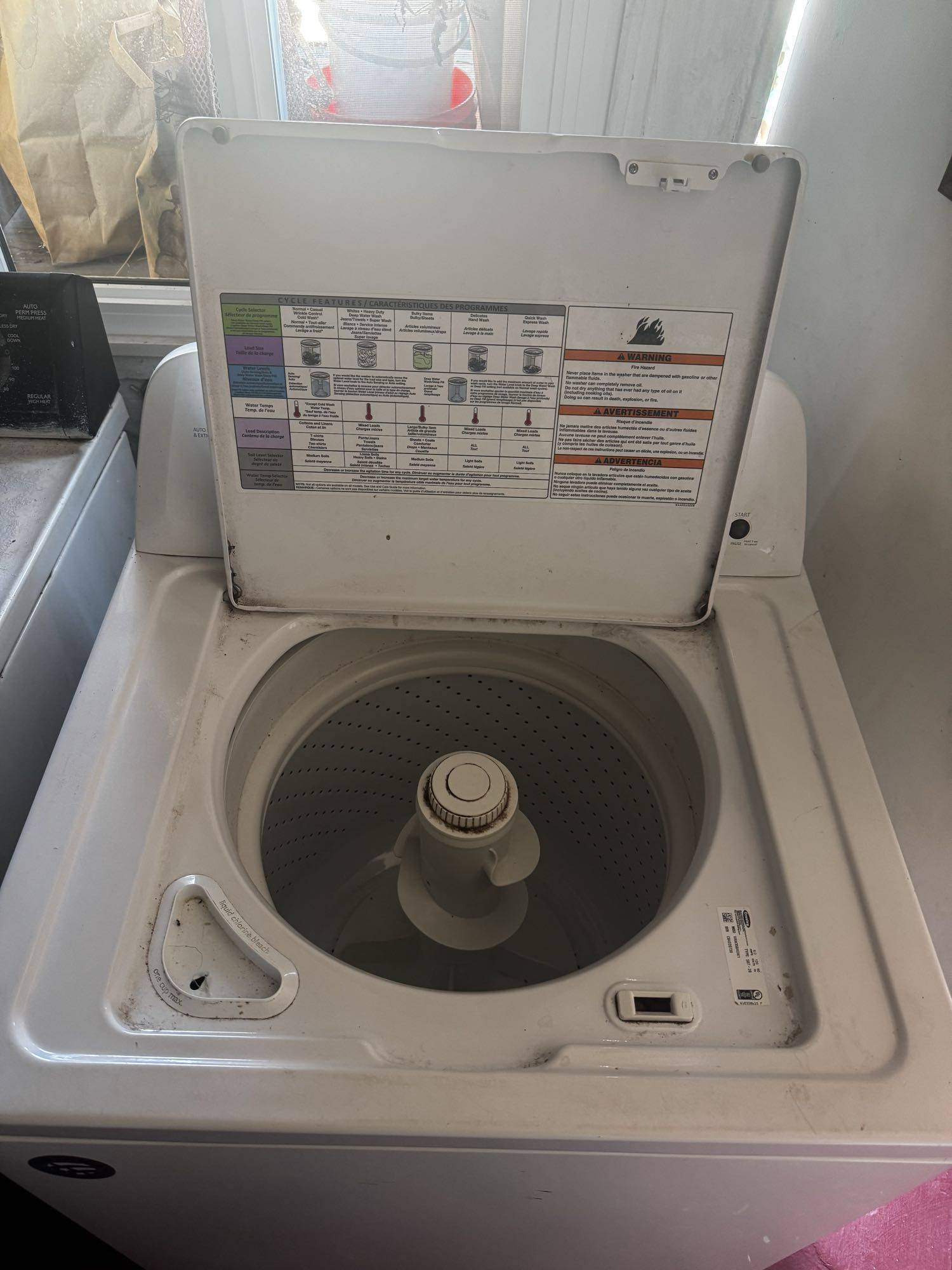
Black marks on freshly washed clothes can be frustrating, especially when laundry comes out of the washing machine looking dirtier than when it went in. If your Frigidaire washing machine leaves black streaks, smudges, or greasy-looking spots on shirts, towels, and other fabrics, the problem may involve a worn door seal, damaged drum components, accumulated residue, or a mechanical issue inside the appliance.
Although some marks can be removed with additional washing, repeated stains indicate that something may be wrong with the washer. Identifying the source early can help protect your clothing and prevent a relatively minor problem from developing into a more expensive repair.
Why Does a Frigidaire Washing Machine Leave Black Marks?
The appearance of the stains can provide useful clues. Dark, greasy smudges may indicate contact with contaminated rubber, lubricant, or mechanical components. Gray or black streaks may also result from detergent buildup, fabric softener residue, mold, or dirt trapped inside the washer.
The location of the marks matters, too. If stains appear mainly on clothes washed in a front-loading machine, inspect the rubber door seal. If the marks continue after cleaning the washer, the cause may be deeper inside the appliance.
Several components deserve attention when a Frigidaire washing machine repeatedly leaves black marks on laundry.
Worn or Damaged Door Seal
The rubber door gasket on a front-loading Frigidaire washing machine creates a watertight barrier between the door and the tub. Over time, this seal can become worn, cracked, stretched, or contaminated with detergent residue and debris.
The folds of the gasket can collect hair, lint, moisture, soap, and dirt. When these materials accumulate, they may transfer onto clothes during washing. Mold and mildew can also develop in damp areas, leaving dark residue and unpleasant odors.
Physical damage presents another concern. A torn or deformed gasket may rub against moving components or expose areas where dirt collects. In some cases, the rubber itself deteriorates and leaves dark marks on fabrics.
To inspect the seal, switch off the washing machine and open the door. Carefully examine the entire gasket, including the folds along the bottom and sides. Look for tears, rough edges, black residue, and areas where the rubber appears worn.
Wipe away accessible buildup with a soft cloth and a cleaner approved by the manufacturer. Avoid abrasive tools and harsh chemicals that could damage the rubber.
If the gasket is torn, deteriorating, or repeatedly contaminates clothing after cleaning, professional replacement may be necessary. Installing a new seal can resolve the issue when the gasket is confirmed as the source of the marks.
Damaged Drum or Internal Components
If the door seal looks intact, the problem may originate from the drum or other internal components.
The stainless-steel drum rotates during the wash and spin cycles. Damage to its surface, loose parts, or foreign objects trapped between the drum and outer tub can create abnormal friction or leave marks on clothing.
Small metal objects, such as coins, screws, or pieces of wire, can become lodged in places that are difficult to inspect without partially disassembling the appliance. These objects may scratch surfaces, produce unusual noises, or interfere with the drum’s movement.
A damaged drum bearing or related mechanical component can also contribute to unusual operation. Depending on the failure, lubricant or contaminated material may reach areas where it can transfer onto laundry. However, black stains alone do not confirm a bearing problem.
With the washer switched off, inspect the visible drum surface for rough spots, scratches, discoloration, and foreign objects. Carefully run your hand over the accessible surface only if there are no sharp edges or exposed hazards. Never reach into inaccessible gaps or dismantle the machine without the appropriate skills.
If the drum feels rough, moves excessively, or produces grinding or scraping noises, stop using the appliance and arrange a professional inspection. A technician can check the drum, bearings, seals, and surrounding components to determine whether repair or replacement is appropriate.
Detergent and Fabric Softener Buildup
Not every black stain indicates mechanical damage. Excess detergent and fabric softener can leave sticky deposits inside the washer, especially when cold-water cycles and frequent low-temperature washing allow residue to accumulate.
These deposits may trap dirt, lint, and other contaminants. Over time, the material can detach during a wash cycle and stick to fabrics.
Using more detergent than recommended does not necessarily improve cleaning performance. In some cases, it increases residue and makes the problem worse.
Check the detergent packaging for the correct amount based on load size, water hardness, and soil level. Clean the detergent dispenser according to the manufacturer’s instructions, and run an appropriate washer-cleaning cycle if the model supports one.
For a front-loading machine, inspect the door gasket and leave the door open after use when practical to help the interior dry. Do not mix cleaning products, particularly bleach and acidic cleaners.
If the stains return after a thorough cleaning, further investigation is needed rather than repeatedly running cleaning cycles.
How to Identify the Source of the Marks
Before scheduling a repair, take a few practical steps to narrow down the cause.
First, examine the stains. Greasy smears, dark streaks, and small specks may point to different sources, although appearance alone cannot establish a diagnosis.
Next, inspect the door seal, visible drum surface, and detergent dispenser. Remove accessible debris and clean residue using manufacturer-approved methods.
Run an empty cleaning cycle if recommended for your Frigidaire model. Afterward, wash a few old, light-colored towels separately to check whether the marks return. Do not use valuable clothing for this test.
Pay attention to any additional symptoms. Grinding, scraping, excessive vibration, drum looseness, leaks, or a burning smell may indicate a mechanical or electrical problem. Stop operating the washer if you notice these warning signs.
If black marks continue to appear, a technician should inspect the appliance before further laundry is washed. Continuing to operate a machine with damaged internal components may increase repair costs and damage more clothing.
When Should You Call a Washing Machine Repair Technician?
Professional service is advisable when the door gasket is deteriorating, the drum has visible damage, the machine produces unusual noises, or stains persist despite cleaning.
A technician can examine the gasket, check the drum for rough surfaces or excessive movement, investigate possible foreign objects, and assess bearings and other internal components. The inspection helps distinguish between a straightforward cleaning issue and a mechanical failure.
Repairing the underlying problem is usually more effective than repeatedly treating stained clothes. It also helps prevent additional damage to fabrics and other washer components.
The appropriate repair depends on the findings. A contaminated seal may only require cleaning, while a damaged gasket, worn bearing, or defective drum-related component may need replacement. An accurate diagnosis helps ensure that the correct part is repaired or replaced.
If your Frigidaire washing machine leaves black marks on clothes, do not ignore the problem. A worn door seal, contaminated interior, trapped foreign object, or damaged drum component could be responsible.
HOME APPLIANCE SERVICE CENTER can help identify the source of the stains and determine the appropriate repair for your washing machine. Professional diagnosis can save time, protect your laundry, and help prevent further damage to the appliance.
Contact HOME APPLIANCE SERVICE CENTER today to schedule washing machine repair. Get the problem inspected and restore your washer’s ability to clean clothes without leaving unwanted marks.
Contact us