619-928-5000
 Request Service
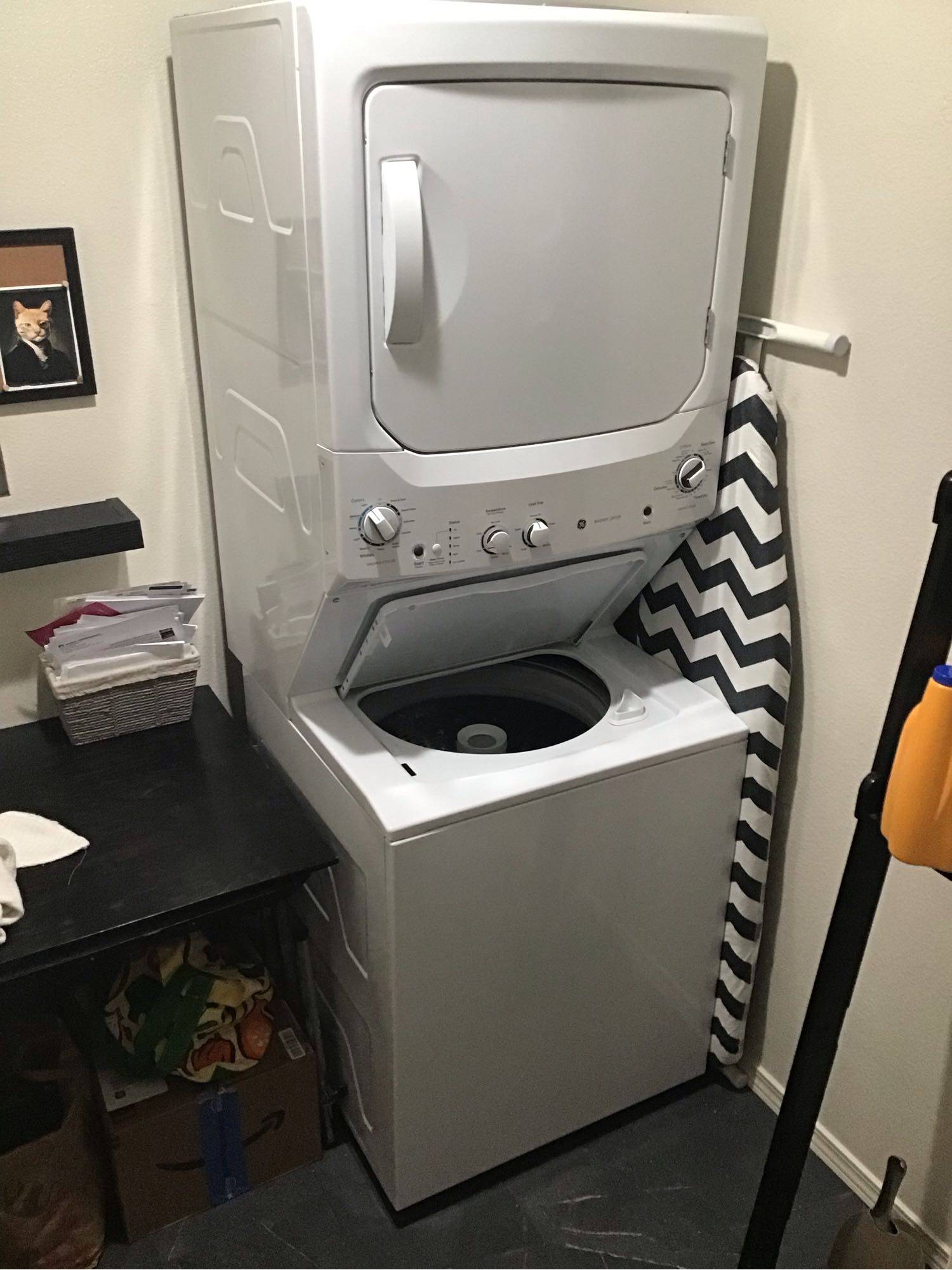
An LG washing machine that repeatedly struggles to balance a load can turn an ordinary laundry cycle into a frustrating experience. The washer may pause before spinning, repeatedly redistribute clothes, shake violently, display an error code, or finish the cycle with soaking-wet laundry. While an unbalanced load is often caused by how clothes are distributed inside the drum, recurring problems can indicate worn suspension components or a malfunction in the system responsible for detecting and correcting an imbalance.
Understanding the possible causes helps you determine whether a simple adjustment will solve the problem or whether professional appliance repair is needed.
Why Does an LG Washing Machine Have Trouble Balancing Clothes?
Modern LG washing machines use electronic controls and mechanical suspension components to keep the drum stable during high-speed spinning. Before entering the final spin cycle, the washer may rotate the drum at lower speeds to distribute clothing evenly. If the load remains unstable, the machine can attempt to rebalance it several times or reduce the spin speed to prevent excessive movement.
This protective process is designed to reduce stress on the appliance. However, if the washer repeatedly fails to balance ordinary loads, something may be interfering with its operation.
1. Unevenly Distributed Laundry
The first thing to check is the load itself. A single heavy bath towel, a bulky blanket, a bath mat, or several large garments can collect on one side of the drum. When the drum accelerates, this uneven weight distribution creates centrifugal forces that make the washer shake.
Overloading the drum can also prevent clothes from moving freely, while washing a very small load may cause a similar problem if the items gather together.
To check for a load-related issue, pause the cycle when it is safe to do so, allow the drum to stop, and redistribute the clothing. Separate tangled items and follow the manufacturer’s recommendations for load size. If the washer operates normally afterward, the problem may have been caused by the laundry rather than a defective component.
If the same issue occurs with different types and sizes of loads, further inspection is warranted.
2. Worn Suspension Rods or Shock Absorbers
Suspension components support the tub and absorb movement during washing and spinning. Depending on the LG washer model, the machine may use suspension rods, shock absorbers, springs, or a combination of these parts.
Over time, these components can wear out, weaken, or lose their ability to control tub movement. When that happens, the drum assembly may bounce excessively, strike the cabinet, or become unstable as the spin speed increases.
Common warning signs include loud banging, unusual vibration, visible tub movement, and repeated attempts to rebalance clothes even when the load is distributed evenly.
A technician can inspect the suspension system for worn dampers, damaged springs, loose mounting points, or other mechanical problems. Replacing the affected components can restore stability and help prevent further stress on the washer.
3. Faulty Load Detection or Vibration Sensors
LG washing machines rely on electronic controls and model-dependent sensing systems to monitor operating conditions and manage the spin cycle. Depending on the design, the washer may use motor feedback, position information, or vibration-related sensing to determine whether the drum can safely accelerate.
If a sensor, wiring connection, or related control component malfunctions, the machine may interpret normal movement as an imbalance. It may repeatedly redistribute clothing, stop before reaching the final spin speed, or leave laundry wetter than expected.
However, these symptoms do not automatically prove that a sensor has failed. Mechanical suspension problems, uneven flooring, excessive loads, and other faults can produce similar behavior.
Proper diagnosis may involve checking stored error codes, inspecting electrical connections, testing relevant components, and evaluating the washer’s behavior during a controlled cycle. Replacing a sensor without confirming the cause can lead to unnecessary expenses.
4. An Unstable or Uneven Floor
Even a functioning washer can vibrate excessively if it is installed on an uneven or flexible surface. If the appliance rocks when gently checked from corner to corner, its leveling feet may need adjustment.
The washer should stand firmly on all feet, with the cabinet level according to the manufacturer’s installation instructions. Locking nuts, where fitted, should also be secured.
A stable installation can significantly reduce vibration and help the washer balance loads correctly. If the machine remains unstable despite proper leveling, the problem may involve internal suspension components.
5. Motor, Drive, or Control Problems
The motor and electronic control system regulate drum movement and spin speed. Depending on the model, a problem involving motor feedback, drive components, wiring, or the main control board can interfere with normal spin operation.
You may notice that the drum accelerates and slows repeatedly, the cycle takes unusually long, or the washer stops before completing the spin.
These symptoms overlap with those caused by suspension or load-detection problems. A qualified technician should evaluate the complete system before recommending repairs.
What Can You Check Before Calling a Technician?
Start with a few basic checks that do not require disassembling the appliance.
First, redistribute the clothes and remove some items if the drum is overloaded. Next, check that the washer stands firmly on a level floor. Run an appropriate spin cycle with a balanced load and observe whether the problem returns.
Pay attention to any banging sounds, excessive shaking, unusual pauses, or error codes. These details can help identify the source of the malfunction.
Do not continue running the washer if it moves violently, strikes the surrounding cabinets, or shows signs of structural damage. Unplug the appliance before performing any permitted external inspection, and never reach into a moving drum or remove panels while the machine is connected to power.
Why Professional LG Washing Machine Repair Matters
Repeated balancing failures can put additional stress on suspension components, the drum assembly, and other internal parts. Continuing to use a washer that shakes excessively may turn a relatively straightforward repair into a more extensive one.
Professional diagnosis helps distinguish between an installation issue, worn suspension, faulty sensing, and an electronic or drive-system problem. Once the underlying cause is identified, the technician can recommend the appropriate repair instead of relying on guesswork.
If your LG washing machine repeatedly fails to balance clothes, shakes during spinning, or leaves laundry soaking wet, arrange an inspection before the problem becomes more serious.
Contact HOME APPLIANCE SERVICE CENTER to schedule LG washing machine repair. Our team can help identify the cause of recurring load-balancing problems and determine the appropriate repair to get your washer operating reliably again.
Contact us