619-928-5000
 Request Service
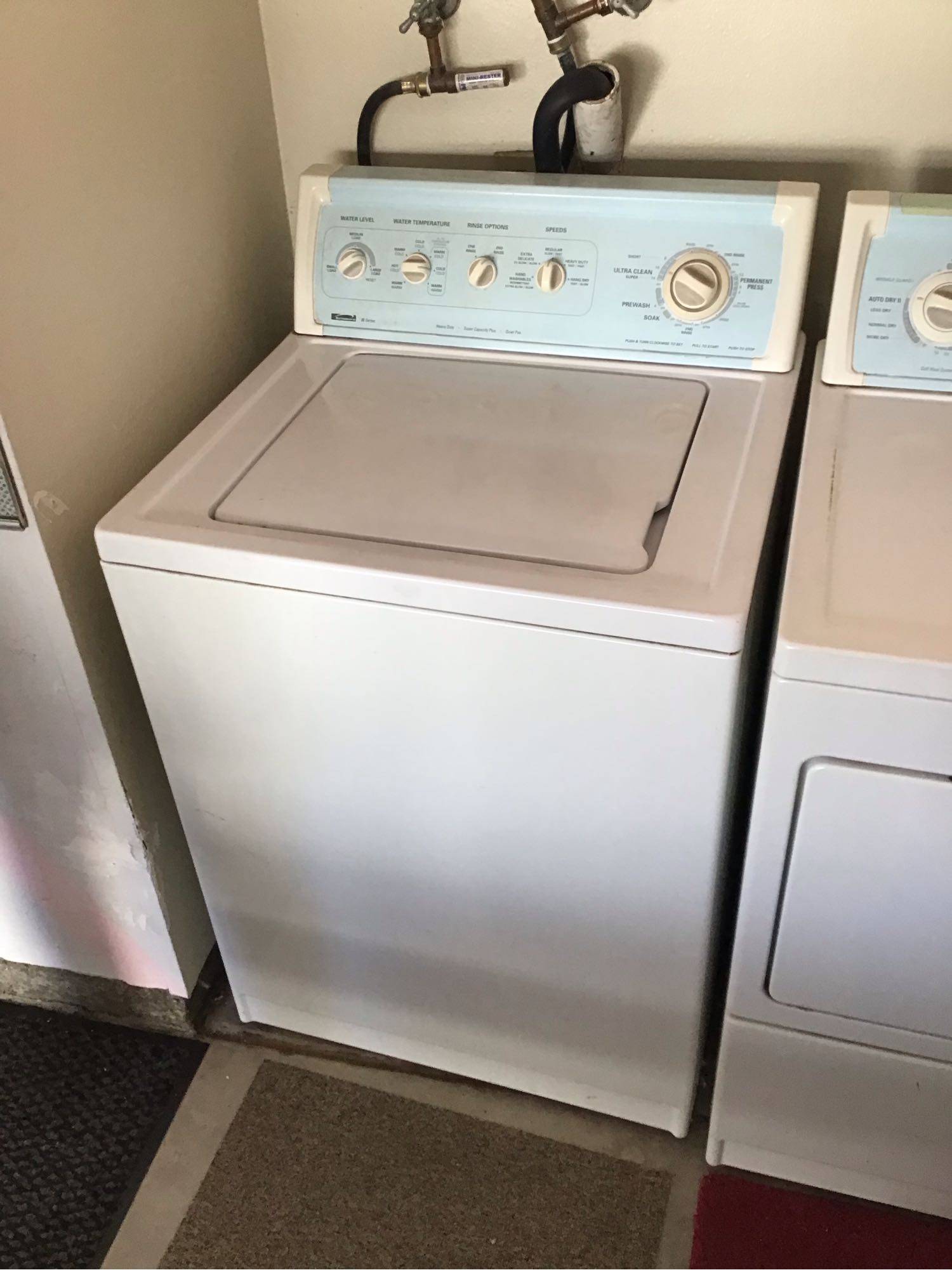
When a Samsung washing machine suddenly stops responding, it can disrupt your entire household routine. You press the Power button, but the display remains dark, the indicator lights do not turn on, and the machine makes no sound. If the electrical outlet works correctly, the problem may be inside the washer rather than in your home’s electrical system.
A Samsung washing machine that has no power despite a functioning outlet may have a damaged power cord, a faulty internal connection, a blown fuse where applicable, or a failed main control board. Identifying the actual cause is essential before replacing parts or attempting repairs.
Why a Samsung Washing Machine May Have No Power
Samsung washing machines rely on several electrical components to start and operate. Electricity must travel from the outlet through the power cord and internal wiring to the control system. If any part of this circuit fails, the washer may appear completely dead.
A working outlet rules out one common source of trouble, but it does not confirm that the appliance is receiving power internally. The next step is to determine where the electrical supply is interrupted.
1. Faulty Power Cord or Internal Wiring
A damaged power cord can prevent electricity from reaching the washing machine even when the outlet itself works. Cords may deteriorate over time, develop internal breaks, or sustain damage from pinching, pulling, or excessive heat.
Internal wiring can also become loose or damaged. Connections may weaken because of vibration during spin cycles, previous repairs, or component deterioration. In some cases, a wire becomes disconnected from a terminal, interrupting the power supply to the control electronics.
Look for visible damage to the cord or plug, but do not dismantle the washer to inspect internal connections. If the cord appears burned, melted, or damaged, unplug the machine if it is safe to do so and arrange professional service.
2. Blown Internal Fuse or Failed Protective Component
Some washing machine designs incorporate internal fuses or other protective components. Depending on the model, a failed protective component may interrupt power to part or all of the appliance.
An electrical surge, short circuit, or failure in another component can cause a fuse to blow. However, a blown fuse may be a symptom of a deeper electrical problem rather than the original cause.
Replacing a fuse without identifying why it failed can lead to another failure or create a safety hazard. The technician should check the relevant circuit and determine whether the fuse, wiring, or another component is responsible.
Not every Samsung washing machine uses a separately replaceable internal fuse in the same configuration. The correct diagnostic procedure depends on the specific model and its electrical design.
3. Main Control Board Failure
The main control board coordinates the washing machine’s operating functions and processes signals from its controls and sensors. If the board fails, the washer may not respond when you press the Power button.
Electrical surges, moisture exposure, overheating, and damaged electronic components can contribute to control board failure. Sometimes the board shows visible signs of damage, such as burned areas or discolored components. In other cases, the problem is not apparent without electrical testing.
A failed control board can cause a completely dark display, no response to button presses, or intermittent power problems. However, these symptoms can also result from a faulty power connection or another electrical component.
Replacing the board without confirming the diagnosis can lead to unnecessary expenses. A qualified technician can test the power supply and relevant circuits before determining whether the control board needs repair or replacement.
4. Faulty Power Button or User Interface
The washing machine may receive electricity but fail to respond because of a defective Power button or user interface. Depending on the model, the controls may communicate with the main board through a separate interface or integrated electronic assembly.
If the interface is damaged, the washer may not register the command to turn on. A faulty connection between the interface and control board can produce similar symptoms.
A technician can inspect the control assembly and test its connections to determine whether the interface or the main board is responsible. This distinction matters because replacing the wrong component will not solve the problem.
What You Can Safely Check Before Calling for Repair
Before scheduling service, perform a few basic checks without opening the appliance.
First, verify that the outlet works using another suitable electrical device. If the washer is connected through a power strip or extension cord, consult the manufacturer’s instructions and connect the appliance directly to an appropriate outlet if permitted.
Next, check your home’s circuit breaker for a tripped circuit. If it has tripped, follow the electrical safety instructions for your home. If it trips again, do not continue resetting it; contact a qualified electrician.
You can also consult the Samsung manual for your model to determine whether a power reset is recommended. If so, unplug the washer for the specified period before reconnecting it. Do not touch exposed wiring or attempt to test live electrical components.
If you notice a burning smell, melted plastic, smoke, or unusual heat near the plug, stop using the appliance and arrange professional assistance.
Why Professional Diagnosis Matters
Electrical failures can involve multiple interconnected components. A technician can inspect the power cord, internal connections, protective devices, control interface, and main control board to locate the source of the problem.
Accurate diagnosis helps prevent unnecessary part replacements and reduces the risk of recurring electrical faults. The technician can also identify whether a damaged component has affected other parts of the washing machine.
If a control board replacement is necessary, the correct part must be selected for the exact model. Compatibility, installation, and any model-specific programming requirements should be considered before the repair is completed.
Restore Your Samsung Washing Machine’s Power
A Samsung washing machine that remains completely unresponsive while the outlet works may have a failed internal fuse or protective component, damaged wiring, a defective user interface, or a malfunctioning main control board. The symptoms alone cannot establish which component has failed.
HOME APPLIANCE SERVICE CENTER can help diagnose washing machine electrical problems and determine the appropriate repair. Rather than replacing parts based on guesswork, arrange an inspection to identify the cause and restore reliable operation.
Contact HOME APPLIANCE SERVICE CENTER today to schedule Samsung washing machine repair. Get professional help with power failures, electrical faults, and control board problems before a minor issue develops into a more expensive repair.
Contact us