619-928-5000
 Request Service

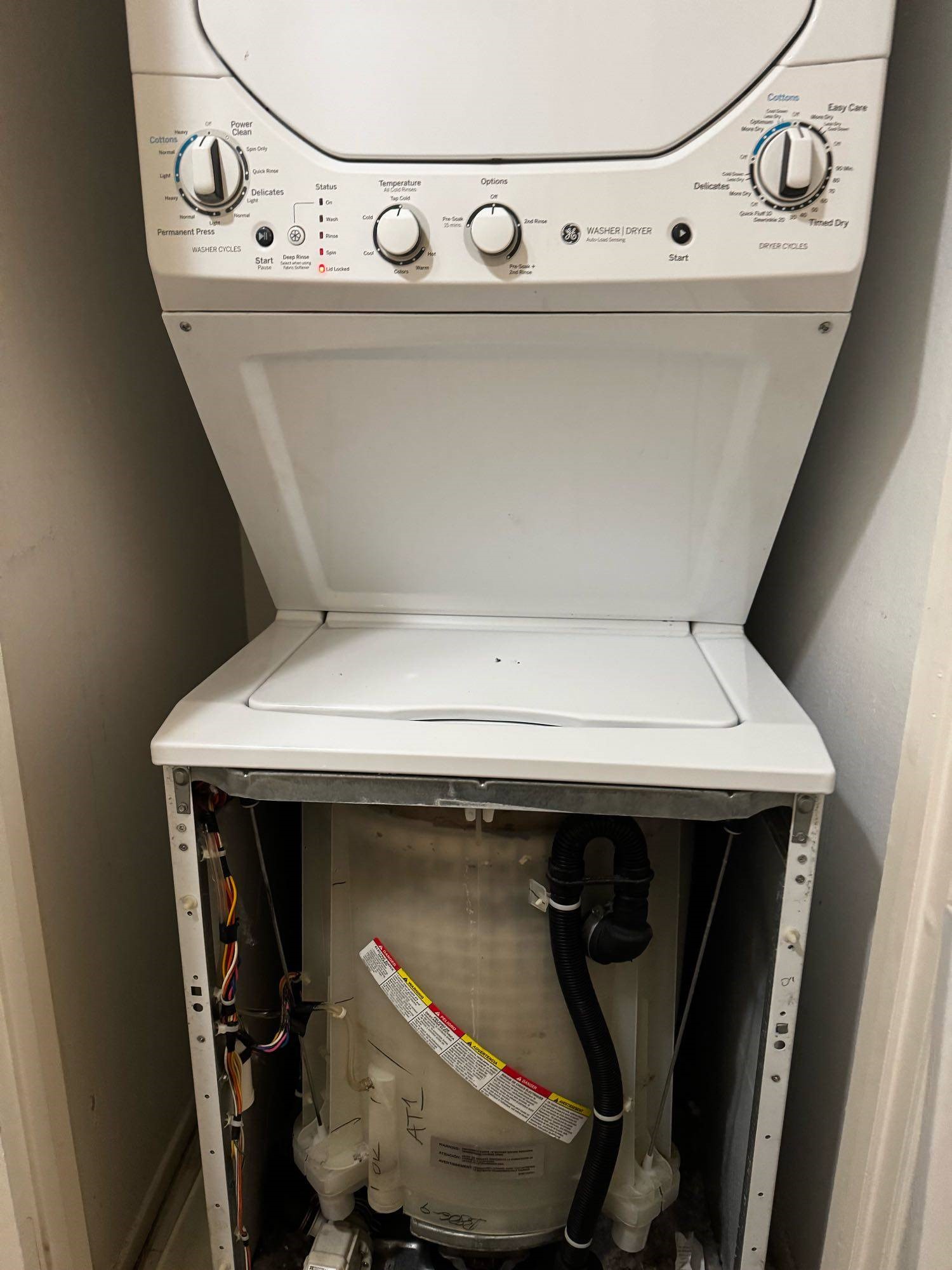
A Maytag washing machine is designed to keep its drum stable while handling heavy loads, distributing water, and spinning clothes at high speeds. If the drum starts wobbling excessively, shifting out of position, or making unusual banging noises during a wash cycle, something inside the machine may no longer be supporting it correctly. Although a small amount of movement is normal in many front-load and top-load washers, noticeable looseness or uncontrolled movement deserves attention.
Two possible causes are worn drum bearings and damaged tub support components. Both problems can affect the washer’s performance, increase noise, and lead to additional damage if the machine continues operating under these conditions.
Understanding the symptoms can help you determine when your Maytag washing machine needs professional repair.
What Causes a Maytag Washing Machine Drum to Become Loose?
The washing machine drum rotates inside an outer tub while suspension components help control movement during operation. Bearings allow rotating parts to move smoothly, while the suspension system and structural supports keep the assembly properly positioned.
When one of these components wears out or breaks, the drum may move more than it should. The exact cause depends on the washer’s design, the type of movement, and the sounds it produces.
A drum that moves slightly when pushed by hand may not indicate a serious problem. However, excessive vertical or horizontal play, loud banging, grinding, or visible contact with the surrounding tub can signal a mechanical fault.
Worn Drum Bearings
Bearings support the rotating drum assembly and reduce friction during operation. Over time, these components can deteriorate because of normal wear, moisture exposure, seal failure, or prolonged use.
When the bearings become worn, the drum may no longer rotate evenly. You might notice a deep rumbling sound during the spin cycle, grinding noises that increase with speed, or a drum that feels loose when moved manually.
In some cases, a failed bearing seal allows water to reach the bearing assembly, accelerating corrosion and deterioration. Depending on the model, additional warning signs may include water leaking from the rear area, rust-colored residue, or a rough sensation when turning the drum by hand.
Ignoring worn bearings can allow the damage to spread to other components, including the shaft, seal, or surrounding tub assembly. The repair may become more complicated if the machine continues running with excessive movement.
Bearing replacement can require substantial disassembly. On certain Maytag models, the bearings may be integrated into a larger tub assembly, making replacement more involved. A technician should inspect the washer and determine which components can be serviced individually.
Damaged Tub Support or Suspension Components
Another possible cause is a damaged tub support, suspension rod, shock absorber, or related mounting component. These parts help stabilize the washing assembly and absorb movement generated by the spinning drum.
When a support component breaks, bends, loosens, or loses its damping ability, the tub may swing excessively during operation. The washer can begin banging against its cabinet, walking across the floor, or vibrating heavily when the spin cycle starts.
Top-load Maytag washers commonly use suspension rods to control tub movement. Depending on the model, front-load washers may rely on shock absorbers, springs, and other mounting hardware.
A damaged support component may produce symptoms that resemble worn bearings, but the underlying movement is different. If the entire tub shifts dramatically when the drum spins, suspension or mounting problems deserve close inspection. If the drum itself has significant play relative to its supporting assembly, bearings or the drum shaft may be involved.
A technician can inspect these parts, check mounting points, and identify whether one component or several components require replacement.
Other Possible Reasons for Excessive Drum Movement
Not every wobbling drum indicates internal mechanical damage. An unbalanced laundry load can cause severe shaking, especially when washing bulky items such as blankets, towels, or bedding.
An uneven floor or improperly adjusted leveling feet can also increase vibration. If the washer was recently installed or moved, incorrect leveling may be responsible for the problem.
Overloading the machine places additional stress on the suspension system and can make an existing fault more noticeable. Worn shock absorbers, loose mounting hardware, or a damaged drum spider on applicable front-load models can also contribute to excessive movement.
The distinction matters because an unbalanced load may require only redistribution, while damaged bearings or structural supports require repair.
What You Should Check Before Calling for Repair
If your Maytag washing machine starts wobbling, stop the cycle if the movement is severe or accompanied by grinding, loud banging, or a burning smell. Unplug the appliance before performing any basic inspection.
Check whether the washer stands firmly on a level floor. If the problem occurs only with bulky laundry, try a smaller, evenly distributed load after confirming that the machine has no signs of mechanical damage.
With the washer switched off and empty, you can gently check whether the drum has unusual movement. Do not force it, remove panels, or reach into internal mechanisms. Significant looseness, scraping, or grinding warrants professional inspection.
Avoid running repeated spin cycles to see whether the noise disappears. Continued operation with failed bearings or broken support components can damage the tub, shaft, motor, and surrounding parts.
Why Professional Diagnosis Matters
Worn bearings and damaged tub supports can produce similar symptoms, but the required repairs differ considerably. Replacing suspension rods will not resolve a failed bearing, and installing new bearings will not correct a broken support assembly.
A qualified appliance technician can examine drum movement, listen for bearing noise, inspect suspension components, and check the shaft, seals, mounting hardware, and tub assembly. This helps establish the actual cause before replacement parts are ordered.
The technician can also explain whether the affected components are individually replaceable and whether repairing the washer is more practical than replacing a major assembly.
A loose or wobbling Maytag washing machine drum should not be ignored, particularly when the problem is accompanied by grinding, loud impacts, or excessive vibration. Early diagnosis can help prevent secondary damage and clarify the most appropriate repair.
If your washer is shaking violently, making unusual noises, or showing signs of drum instability, contact HOME APPLIANCE SERVICE CENTER to arrange professional appliance repair. A technician can inspect the machine, identify whether worn bearings or damaged tub support components are responsible, and recommend the necessary service.
Contact HOME APPLIANCE SERVICE CENTER today to schedule an inspection and get your Maytag washing machine back to stable, reliable operation.
Contact us