619-928-5000
  Request Service
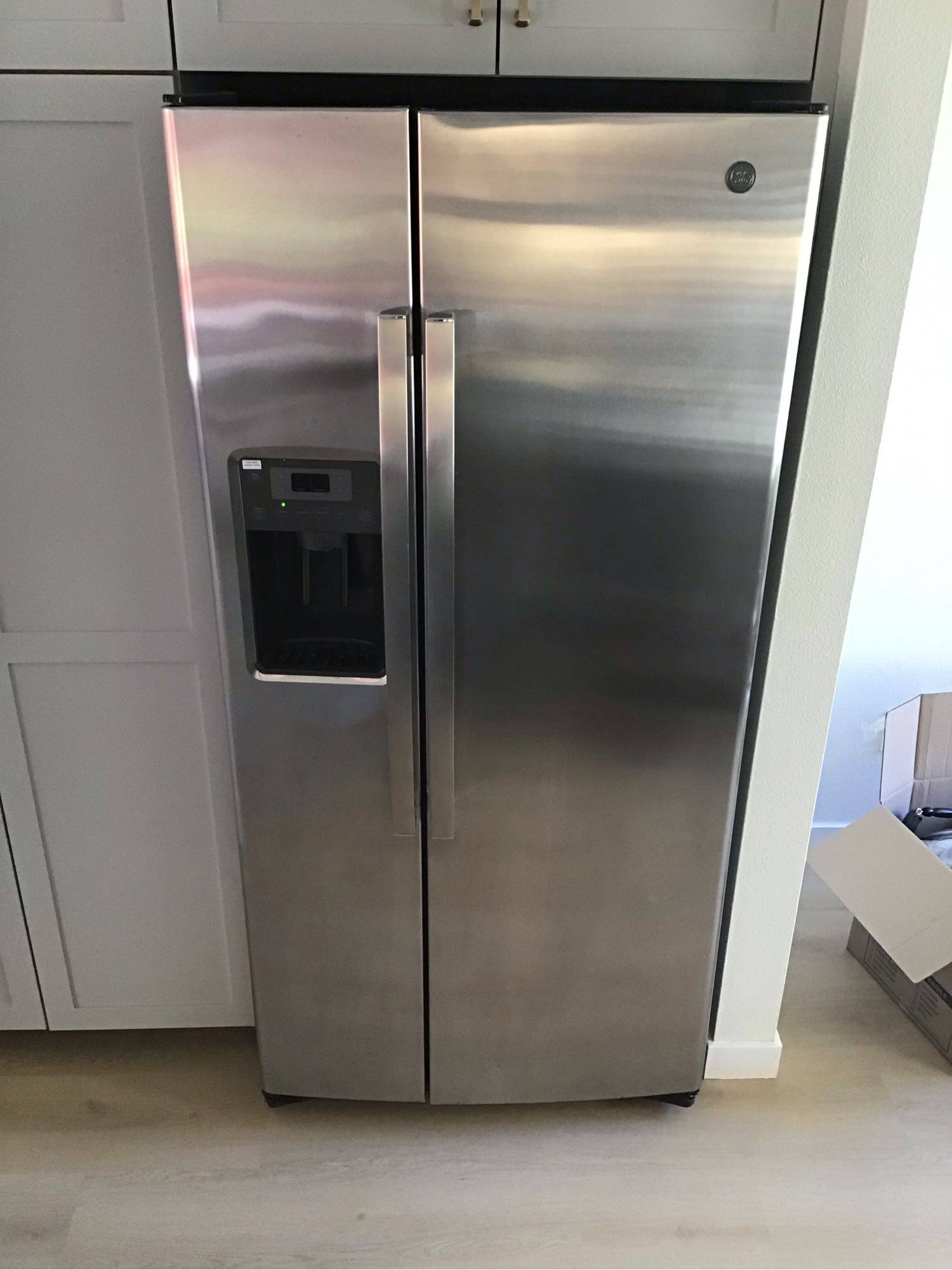
A Maytag refrigerator should keep fresh food cold without freezing it. If vegetables, dairy products, fruit, or drinks are developing ice inside the refrigerator compartment, the temperature is likely falling below the normal range. This problem can make food unusable and may indicate a failure in the temperature sensing or control system.
Several components can cause a Maytag refrigerator to become too cold. Two common possibilities are a faulty thermistor and a malfunctioning temperature control. Understanding how these parts work can help determine why the refrigerator is freezing fresh food.
What Does a Refrigerator Thermistor Do?
A thermistor is a temperature sensor that monitors the temperature inside the refrigerator. The electronic control system uses the thermistor’s readings to determine when cooling should start and stop.
When the thermistor works correctly, it sends temperature information to the control board. If the temperature rises above the desired setting, the refrigerator can activate the cooling system. Once the compartment reaches the target temperature, cooling is reduced or stopped.
A defective thermistor can send inaccurate readings. If the refrigerator control system incorrectly detects that the compartment is warmer than it really is, it may continue cooling for too long. As a result, temperatures can drop low enough to freeze food.
A damaged thermistor, incorrect resistance reading, wiring problem, or poor connection can all affect temperature regulation.
How a Faulty Temperature Control Can Cause Freezing
Depending on the Maytag refrigerator model, temperature regulation may involve an electronic control system, temperature control components, or a combination of sensors and control boards.
If the temperature control is malfunctioning, the refrigerator may not respond correctly to temperature changes. The compressor or cooling system can continue operating longer than necessary, causing the fresh-food compartment to become excessively cold.
A control problem can sometimes appear as an inconsistent temperature. The refrigerator may seem normal for part of the day and then become noticeably colder. In other cases, food may freeze repeatedly even though the temperature setting has not changed.
Check the Temperature Setting First
Before assuming that a component has failed, check the refrigerator temperature setting. Someone may have accidentally changed the control while moving food or cleaning the appliance.
For many refrigerators, the recommended fresh-food temperature is around 37°F (3°C), although the correct setting depends on the specific model and manufacturer’s instructions.
If the setting is already appropriate and food continues to freeze, the problem requires further inspection.
It is also useful to check where the food is stored. Items placed directly against the rear wall or near air vents can become colder than the rest of the compartment. Moving food away from these areas can help determine whether the issue is related to airflow or an actual temperature-control problem.
Airflow Problems Can Also Create Cold Spots
A refrigerator needs proper airflow to distribute cold air evenly. If vents are blocked by containers, packages, or food, some areas may become significantly colder than others.
The evaporator fan and air damper also affect how cold air enters the fresh-food compartment. If the damper remains open when it should close, excessive cold air can enter the refrigerator section.
This can produce symptoms similar to a thermistor or temperature-control failure. A technician may need to inspect the airflow system before replacing electronic components.
Signs the Thermistor May Be Failing
Several symptoms can point toward a temperature sensor problem. Fresh food may freeze even when the temperature setting appears normal. The refrigerator may also have noticeable temperature fluctuations or run for unusually long periods.
In some cases, the appliance may display an error code or show temperatures that do not match the actual conditions inside the compartment.
Testing the thermistor with the appropriate diagnostic procedure can help determine whether its resistance changes correctly as the temperature changes. The exact specifications depend on the Maytag model.
Replacing a thermistor without testing the rest of the system can lead to unnecessary repairs, especially when wiring, connectors, airflow components, or the control board are involved.
When the Temperature Control Needs Attention
A temperature control problem may be suspected when the refrigerator does not respond correctly to setting changes. For example, changing the temperature setting may have little effect, or the appliance may continue cooling even after reaching the desired temperature.
Electronic controls can be affected by component failure, wiring issues, or incorrect sensor information. A technician can check the control system, thermistor readings, wiring connections, and related components to identify the actual cause.
Why You Should Address the Problem Quickly
A refrigerator that is too cold can waste food and indicate a developing appliance problem. Repeated freezing can damage fresh produce, dairy products, sauces, and other foods that are not designed to be stored below freezing.
Continuing to operate the refrigerator without identifying the cause may also lead to additional cooling-system problems if the appliance runs for excessive periods.
If your Maytag refrigerator is freezing fresh food, start by checking the temperature setting and making sure the air vents are not blocked. If the problem continues, professional diagnosis can determine whether the thermistor, temperature control, airflow system, or another component is responsible.
For reliable refrigerator troubleshooting and repair, contact HOME APPLIANCE SERVICE CENTER. Schedule a service appointment to have your Maytag refrigerator inspected and the temperature-control problem properly diagnosed.
Contact us
(619) 928-5000