619-928-5000
  Request Service
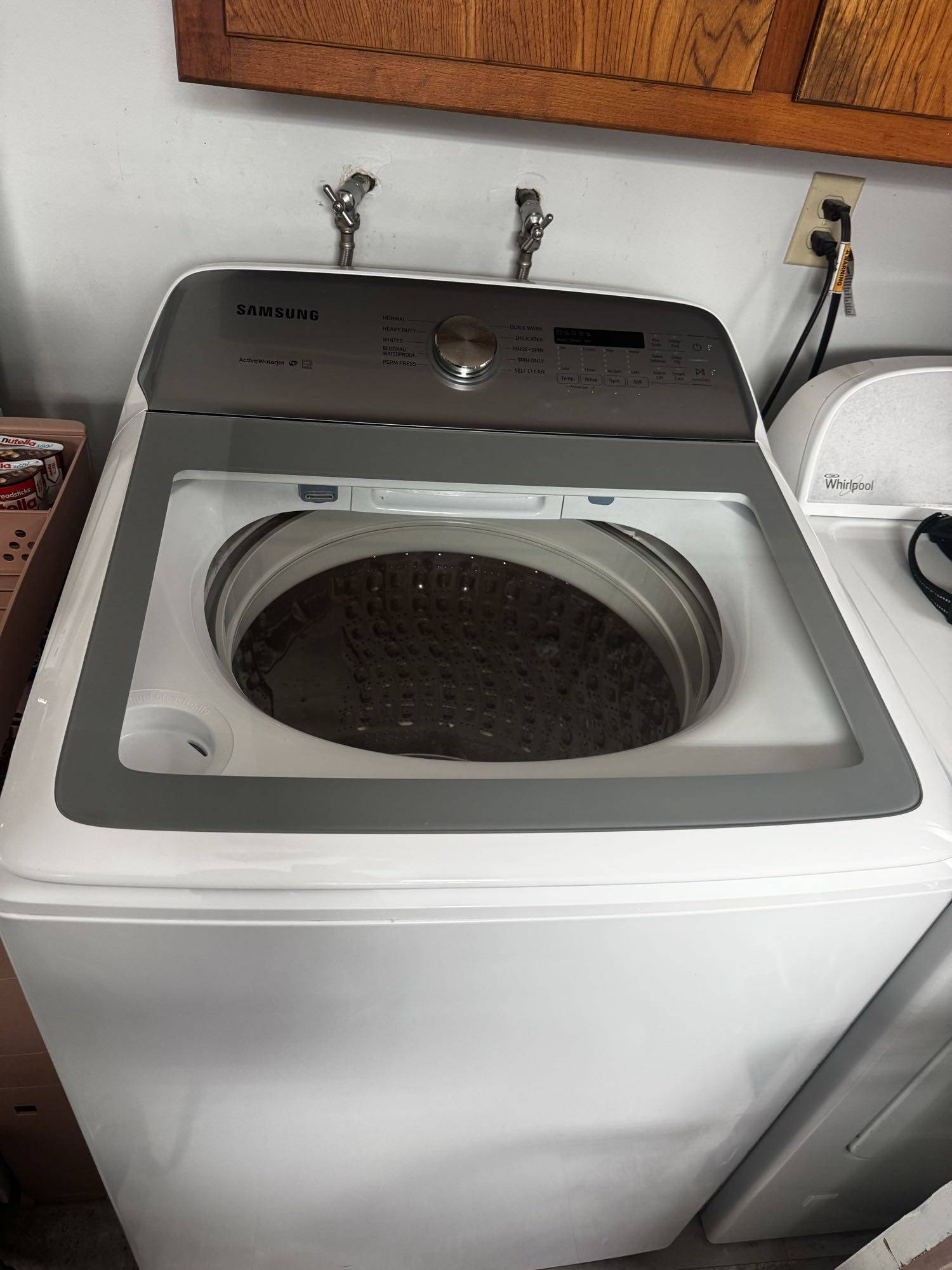
A Kenmore washing machine that starts a cycle normally but stops after a few minutes can be difficult to diagnose. The washer may fill with water, begin agitating or spinning, and then suddenly stop. In some cases, the machine may remain powered on but stop moving. In others, the cycle may pause and refuse to continue until the washer is restarted.
When this happens repeatedly, the problem may involve the drive motor, electronic control board, or another component responsible for keeping the wash cycle running. Continuing to restart the machine without identifying the cause can put additional stress on components that are already malfunctioning.
The Motor May Be Overheating
The drive motor is responsible for moving the washer drum or agitator during different stages of the cycle. If the motor is worn or overheating, it may work normally when the washer first starts and then shut down after several minutes.
An overheating motor can sometimes restart after it has cooled. This creates a common pattern: the washing machine starts, operates for a short period, stops, and then works again after sitting unused.
Motor problems can develop because of worn internal components, electrical issues, excessive mechanical resistance, or problems with the washer’s drive system. A technician can test the motor and related components to determine whether the motor is receiving the correct voltage and whether it is operating within normal specifications.
A Failing Control Board Can Interrupt the Cycle
The electronic control board coordinates many of the washing machine’s functions. It determines when the motor should run, when the machine should drain, when the washer should change between agitation and spin, and how the cycle progresses.
If the control board develops a fault, the washer may begin the cycle correctly but stop unexpectedly. Electrical components on the board can deteriorate over time, and damaged connections or failed components may cause intermittent operation.
Control board problems can be especially difficult to diagnose because the washer may not always display an obvious error code. A machine that stops without completing the cycle should therefore be inspected rather than assuming the motor is automatically responsible.
The Washer May Have a Drive System Problem
The motor does not operate independently. Depending on the Kenmore model, the drive system may include components such as a belt, pulley, coupling, transmission, or other mechanical parts.
If one of these components is damaged or excessively worn, the motor may have difficulty turning the drum. The increased resistance can cause the motor to overheat or activate a protective shutdown.
A damaged belt can also cause unusual sounds or prevent proper movement. If the washer fills with water but struggles to agitate or spin, the drive system should be inspected along with the motor.
Overloading Can Put Extra Stress on the Motor
A washing machine that is consistently overloaded may place excessive strain on the motor and drive components. Heavy loads, bulky bedding, or improperly distributed clothing can make it harder for the drum to rotate.
If the washer works correctly with smaller loads but stops during larger ones, the load size and mechanical condition of the machine should both be considered. However, repeated stopping should not automatically be attributed to overloading. A persistent problem can indicate an underlying component failure.
Drainage Problems Can Also Stop a Cycle
Although motor or control board failure may be responsible, drainage problems can create similar symptoms. The washer may stop because it cannot properly remove water before moving to the next stage of the cycle.
A clogged drain hose, blocked pump, or failing drain pump can prevent the washer from completing its programmed sequence. If water remains in the drum when the machine stops, drainage components should be checked before replacing the motor or control board.
Signs That Point to a More Serious Problem
Pay attention to what happens immediately before the Kenmore washer stops. Certain symptoms can help narrow down the possible cause.
If you hear humming from the motor without drum movement, there may be a motor or drive-related problem. If the washer becomes unusually hot or works again only after cooling down, motor overheating is possible.
If the washer stops at different points in the cycle without a consistent pattern, the control system may require testing. If the machine stops while water remains inside, the drain system should also be inspected.
Unusual burning smells, repeated electrical shutdowns, loud mechanical noises, or visible damage should be treated as reasons to stop using the washer until it has been checked.
Professional Diagnosis Can Prevent Unnecessary Part Replacement
Replacing a motor or control board without proper testing can become an expensive trial-and-error process. Several different failures can produce similar symptoms, so technicians typically inspect the washer’s electrical and mechanical systems before determining which component needs attention.
A professional inspection can include checking the motor, wiring, control board, drive components, drainage system, and other parts involved in the affected cycle. The exact diagnostic process depends on the Kenmore model and the symptoms reported.
If your Kenmore washing machine starts normally but stops after a few minutes, avoid repeatedly restarting it and hoping the problem disappears. A recurring shutdown usually deserves a proper diagnosis.
Need Kenmore Washing Machine Repair?
If your Kenmore washer starts a cycle and then stops unexpectedly, HOME APPLIANCE SERVICE CENTER can inspect the appliance and determine whether the problem is related to the motor, control board, drive system, drainage, or another component.
Contact HOME APPLIANCE SERVICE CENTER to schedule washing machine repair and get your Kenmore washer properly diagnosed.
Contact us