619-928-5000
  Request Service
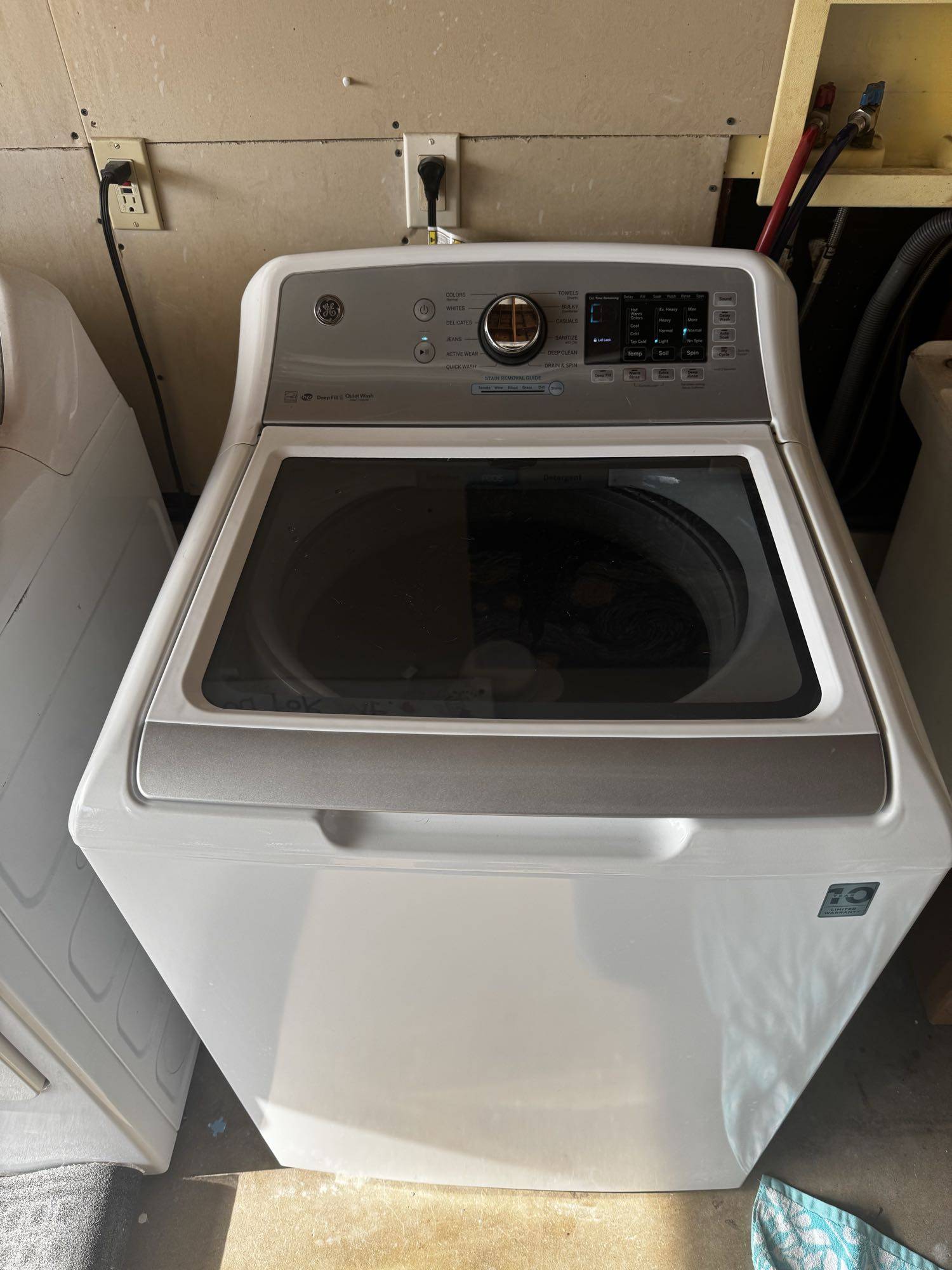
An LG washing machine that takes unusually long to fill can turn a normal laundry cycle into a frustrating wait. In some cases, the washer may eventually begin washing after several minutes. In others, it may display a water inlet error, stop the cycle, or repeatedly attempt to fill the tub without reaching the required water level.
Slow filling usually points to a problem with the water supply, inlet system, or components responsible for controlling water flow. Identifying the cause early can help prevent additional problems and determine whether the washer needs professional service.
Check the Water Supply First
The washing machine needs a steady supply of water to begin its cycle. If the household water pressure is low, the LG washer may take significantly longer to reach the correct water level.
Start by checking whether the problem affects other faucets or appliances. If water pressure throughout the home is also weak, the washing machine may not be the source of the problem.
The water supply valves behind the washer should also be fully open. A partially closed valve can restrict the amount of water entering the machine. Kinked or compressed supply hoses can create a similar restriction.
If the washer was recently moved or installed, inspect the hoses carefully. A hose pressed tightly against the wall or bent at a sharp angle may reduce water flow.
A Clogged Inlet Screen Can Restrict Flow
LG washing machines have small filter screens near the water inlet connections. These screens help prevent sediment and debris from entering the internal water system.
Over time, mineral deposits, rust particles, or other debris can accumulate on the screens. When that happens, the washer may still receive water, but the flow can become much slower than normal.
This can be especially noticeable when the washer takes several minutes to fill or the cycle repeatedly pauses while waiting for enough water.
Cleaning the inlet screens may restore normal flow, but they should be handled carefully. Damaged screens or connections can cause leaks, so a professional inspection may be appropriate if you are unsure how to access them safely.
The Water Inlet Valve May Be Failing
The water inlet valve controls the flow of water into the washing machine. When the washer receives a signal to fill, the valve opens and allows water to enter through the appropriate inlet.
A defective valve may fail to open completely. It can also become mechanically restricted or develop an electrical problem that prevents normal operation.
One common sign of an inlet valve problem is reduced water flow despite having adequate household water pressure and fully open supply valves. The washer may fill very slowly, take longer than usual to start the wash cycle, or show a water inlet-related error.
In some cases, the valve can deteriorate gradually. The machine may continue working for weeks or months while the filling time becomes progressively longer.
Hot and Cold Water Supply Can Matter
Depending on the selected cycle and washer configuration, LG machines may use different water inlets. If one supply line has restricted flow, the washer’s filling behavior may change.
A problem with one side of the water supply can sometimes be mistaken for a general washer malfunction. This is why checking both supply hoses, valves, and inlet connections is important during diagnosis.
If one hose provides noticeably weaker flow than the other, the issue may be related to the household plumbing, hose, valve, or washer inlet system.
Electronic Controls Can Also Be Involved
Although water pressure and the inlet valve are common causes of slow filling, the problem can sometimes involve the washer’s electronic controls.
The control system determines when the water valves should open and monitors the filling process. If the washer does not properly activate the valve or incorrectly detects the water level, the machine may behave differently from a normal filling cycle.
Diagnosing an electronic problem generally requires testing the relevant components rather than replacing parts based only on the symptoms. Replacing the inlet valve, control board, or another component without confirming the cause can lead to unnecessary repair costs.
Why You Shouldn’t Ignore Slow Filling
A washing machine that takes too long to fill may still complete a cycle, but the underlying problem can become worse.
A restricted water supply can affect cycle timing and performance. A failing inlet valve may eventually stop allowing water into the washer altogether. If the machine repeatedly struggles to fill, it may also interrupt cycles or display error messages.
Pay attention to changes in filling time. If the washer used to fill normally and has gradually become slower, that change is useful diagnostic information for a technician.
When Professional Appliance Repair Makes Sense
If you have confirmed that the household water supply is normal, the supply valves are open, and the hoses are not kinked, the next step is to determine whether the washer has a clogged inlet screen, defective inlet valve, electrical issue, or another internal problem.
A technician can inspect the water inlet system, test the valve and related components, check water flow, and identify the actual source of the problem before recommending a repair.
Avoid replacing parts based solely on the symptom that the washer is filling slowly. Several different problems can produce similar behavior.
Need Help With an LG Washer That Fills Slowly?
If your LG washing machine takes much longer than usual to fill, don’t let the problem turn into a complete cycle failure. Contact HOME APPLIANCE SERVICE CENTER to schedule professional appliance repair service. A technician can inspect the washer, identify the cause of the slow filling, and recommend the appropriate repair.
Contact us