619-928-5000
  Request Service
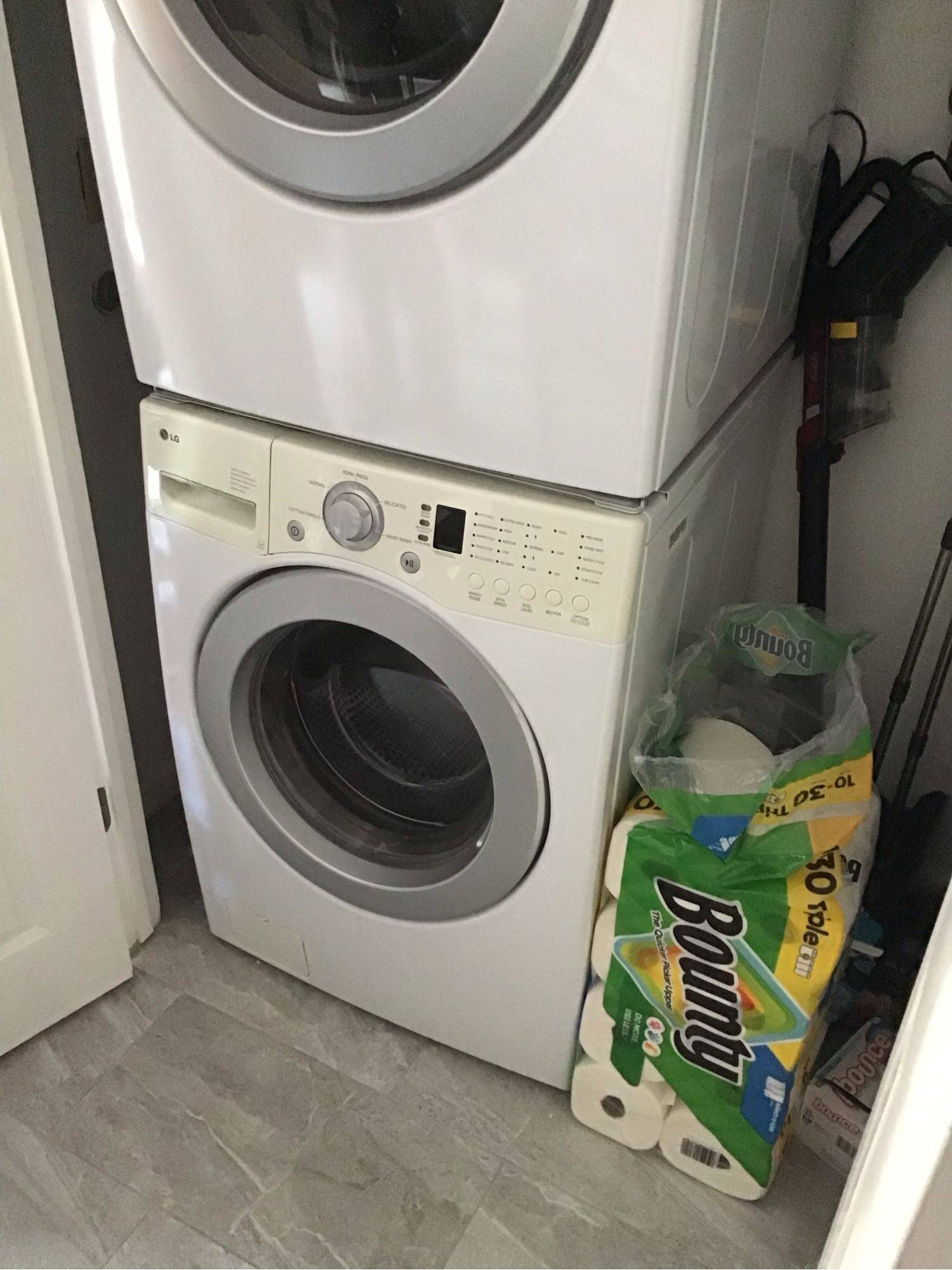
A Whirlpool washing machine that suddenly stops turning on after a power outage may have experienced an electrical problem rather than a normal operating failure. If the washer was running when the power went out and now shows no lights, responds to no buttons, or appears completely dead, several components could be responsible.
Power interruptions can affect household appliances in different ways. A brief outage may simply interrupt the washer’s cycle, while a surge that occurs when electricity returns can damage electrical components. The exact cause depends on what happened to the machine during the outage and which parts of the power circuit were affected.
Start With the Power Supply
Before assuming that the washing machine has a failed control board, check whether it is receiving power. Make sure the washer is firmly plugged into the wall outlet. A loose plug can prevent the appliance from turning on and may be especially easy to overlook after a power interruption.
The outlet itself should also be checked. If other appliances connected nearby are not working, the problem may be with the electrical circuit rather than the washer. Check the household circuit breaker or fuse box for a tripped breaker.
Some Whirlpool washers may also be connected to a circuit protected by a GFCI outlet. If the outlet has tripped, resetting it may restore power. However, if the breaker or GFCI trips again when the washer is connected, there may be an electrical fault that requires professional diagnosis.
Avoid repeatedly resetting a breaker when it immediately trips. That can indicate a short circuit or another electrical problem.
A Power Surge May Have Damaged Internal Components
When power returns after an outage, the electrical supply may sometimes fluctuate or produce a surge. Sensitive electronic components inside modern washing machines can be affected by abnormal voltage.
The main control board is one of the components that can be damaged. This board manages many washer functions, including power, cycle selection, water valves, motor operation, draining, and communication between different components.
If the washer was completely unresponsive immediately after the outage, the control board is one possible cause. A damaged board may show no display, no indicator lights, and no response when the power button is pressed.
However, replacing the control board without testing the rest of the electrical system can be an expensive mistake. A technician should determine whether the board is actually receiving the correct voltage and whether another component caused the failure.
The Line Fuse May Be the Problem
Some washing machines use a fuse or other protective component designed to interrupt electrical flow when there is an abnormal condition. If the washer experienced a surge, this protective component may have failed.
A blown fuse can make the appliance appear completely dead. The washer may have worked normally before the outage and then show no signs of life afterward.
A fuse should not simply be replaced without determining why it failed. If an underlying electrical problem remains, the replacement fuse may fail again.
The Power Cord and Connections Matter
The power cord should also be inspected for visible damage, loose connections, or signs of overheating. If the cord has been damaged, the washer may not receive stable electrical power.
Internal wiring and connectors can also become loose or damaged. Vibrations from years of operation can affect connections, while an electrical event may expose a weak connection that had previously gone unnoticed.
Because accessing internal wiring involves electrical components, this type of inspection is best handled by a qualified appliance technician.
What If the Washer Has Power but Still Does Not Start?
Not every post-outage problem results in a completely dead machine. In some cases, the display may illuminate while the washer refuses to start.
This can point to a different set of possible problems. The control interface, door or lid lock system, control board, or other electronic components may be preventing the washer from beginning a cycle.
If the machine powers on but does not respond correctly, pay attention to any error codes, flashing lights, unusual sounds, or messages on the display. These details can help a technician identify the affected system.
Avoid Unnecessary Parts Replacement
A washing machine that stops working after a power outage does not automatically need a new control board. Several problems can produce similar symptoms.
A proper diagnosis should begin with the electrical supply and continue through the washer’s power components and control system. Testing helps determine whether the problem is caused by the outlet, breaker, wiring, fuse, control board, or another component.
This is particularly important with modern Whirlpool washers because electronic controls can be expensive. Installing a new board without confirming that it is defective may not solve the problem.
When to Call an Appliance Repair Technician
If your Whirlpool washing machine remains completely unresponsive after checking the outlet and circuit breaker, professional service is recommended. The same applies if the washer repeatedly trips the breaker, shows signs of burning, produces unusual electrical odors, or turns on and shuts off unexpectedly.
Do not open the appliance or attempt electrical repairs if you are not qualified to work with appliance wiring. Internal components can retain electrical energy even when the washer is switched off.
A technician can test the incoming power, inspect the electrical connections, check protective components, and determine whether the control board or another part was affected by the outage.
If your Whirlpool washing machine won’t turn on after a power outage, HOME APPLIANCE SERVICE CENTER can diagnose the problem and determine what needs to be repaired. Contact the service center to schedule professional washing machine repair.
Contact us