619-928-5000
  Request Service
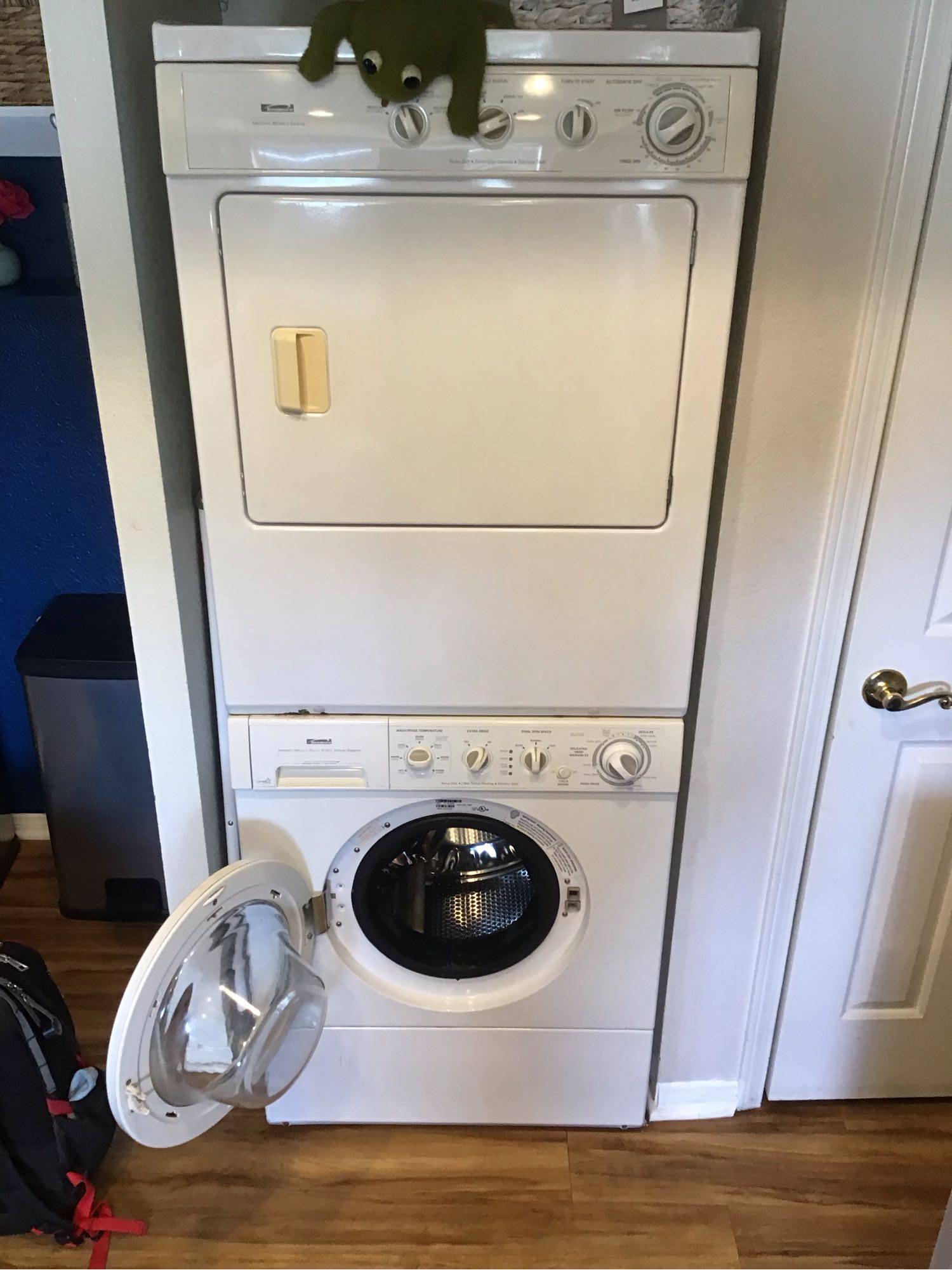
An LG dryer that suddenly refuses to start can be frustrating, especially when the controls appear normal and the dryer has power. In many cases, the problem is related to a safety component rather than the motor itself. Two common causes are a defective door switch and a blown thermal fuse. Understanding how these components work can help you recognize the problem and determine when professional dryer repair is needed.
Check the Power Supply First
Before assuming that an internal component has failed, check the dryer’s power supply. Make sure the appliance is firmly plugged into the outlet and that the circuit breaker has not tripped. Electric dryers typically require a dedicated circuit, so a power issue can prevent the appliance from operating even when some controls still appear functional. If the outlet and breaker are working correctly but the dryer remains completely unresponsive, the problem may be inside the appliance.
A Faulty Door Switch Can Prevent the Dryer From Starting
The door switch is a small safety component that detects whether the dryer door is closed. The control system uses this signal to determine whether the appliance is safe to operate. When the door is closed, the switch should activate. If the switch fails, the dryer may behave as though the door is still open. Pressing the Start button may produce no response, and the drum will not begin turning. A damaged door latch or misaligned door can sometimes create similar symptoms. If the dryer door does not close securely, the switch may not be activated correctly. A technician can inspect the switch for physical damage and test its electrical continuity. If the component has failed, replacing it is usually necessary.
What Does the Thermal Fuse Do?
The thermal fuse is another important safety device. Its purpose is to protect the dryer from excessive heat. If temperatures become dangerously high, the fuse can open the electrical circuit and prevent the dryer from operating. A blown thermal fuse can cause the dryer to stop completely. Depending on the model and failure, the appliance may appear to have power while refusing to start. Thermal fuses generally do not reset themselves. Once the fuse has opened, it must be replaced. However, replacing the fuse alone may not solve the underlying problem. A thermal fuse can blow because of restricted airflow, a clogged vent system, a malfunctioning heating component, or another condition that causes excessive heat.
Why Airflow Problems Matter
Poor airflow is one of the conditions that can contribute to overheating. Lint can accumulate in the lint filter, exhaust duct, vent hose, or exterior vent. When warm air cannot escape efficiently, temperatures inside the dryer can rise. A restricted vent can also make drying cycles take longer and increase energy consumption. If a thermal fuse has blown, the ventilation system should be inspected as part of the repair. Regularly cleaning the lint filter after every load and maintaining the exhaust system can help reduce the risk of overheating.
Other Possible Causes of a Dryer That Won’t Start
Although the door switch and thermal fuse are common possibilities, they are not the only components that can cause a no-start condition. A defective Start button or control panel can prevent the dryer from receiving the command to begin a cycle. A failed drive motor can also stop the drum from turning. In some cases, a problem with the main control board can interfere with the dryer’s starting sequence. For electric dryers, issues involving wiring, terminals, or other electrical components may also need to be investigated. This is why replacing parts based only on symptoms can lead to unnecessary repairs. Proper diagnosis helps identify the actual failed component.
Signs You May Need Professional Repair
Pay attention to what happens when you press the Start button. If there is no response at all, a door switch, thermal fuse, control component, or power-related problem may be involved. If the dryer starts briefly and then stops, overheating, motor problems, or airflow restrictions may require investigation. If the dryer runs but clothes remain damp, the issue may be related to heating or ventilation rather than the starting system. Unusual smells, visible wiring damage, repeated fuse failures, or signs of overheating should also be addressed promptly. Because dryers contain electrical components and can operate at high temperatures, internal testing and component replacement should be performed carefully. Disconnect the appliance from power before attempting any inspection, and avoid bypassing safety devices such as the thermal fuse or door switch.
Professional LG Dryer Repair
When an LG dryer will not start, the correct repair depends on the cause. A technician can inspect the door switch, thermal fuse, wiring, controls, motor, and ventilation system to determine why the appliance is not operating. If the thermal fuse has failed, identifying the reason for overheating is especially important. If the door switch is defective, the technician can verify the switch and door alignment before replacing the component. Getting the problem diagnosed early can prevent a minor component failure from developing into a larger appliance issue. If your LG dryer won’t start, contact HOME APPLIANCE SERVICE CENTER to schedule professional appliance repair. A qualified technician can diagnose the problem and recommend the appropriate repair for your dryer.
Contact us