619-928-5000
  Request Service
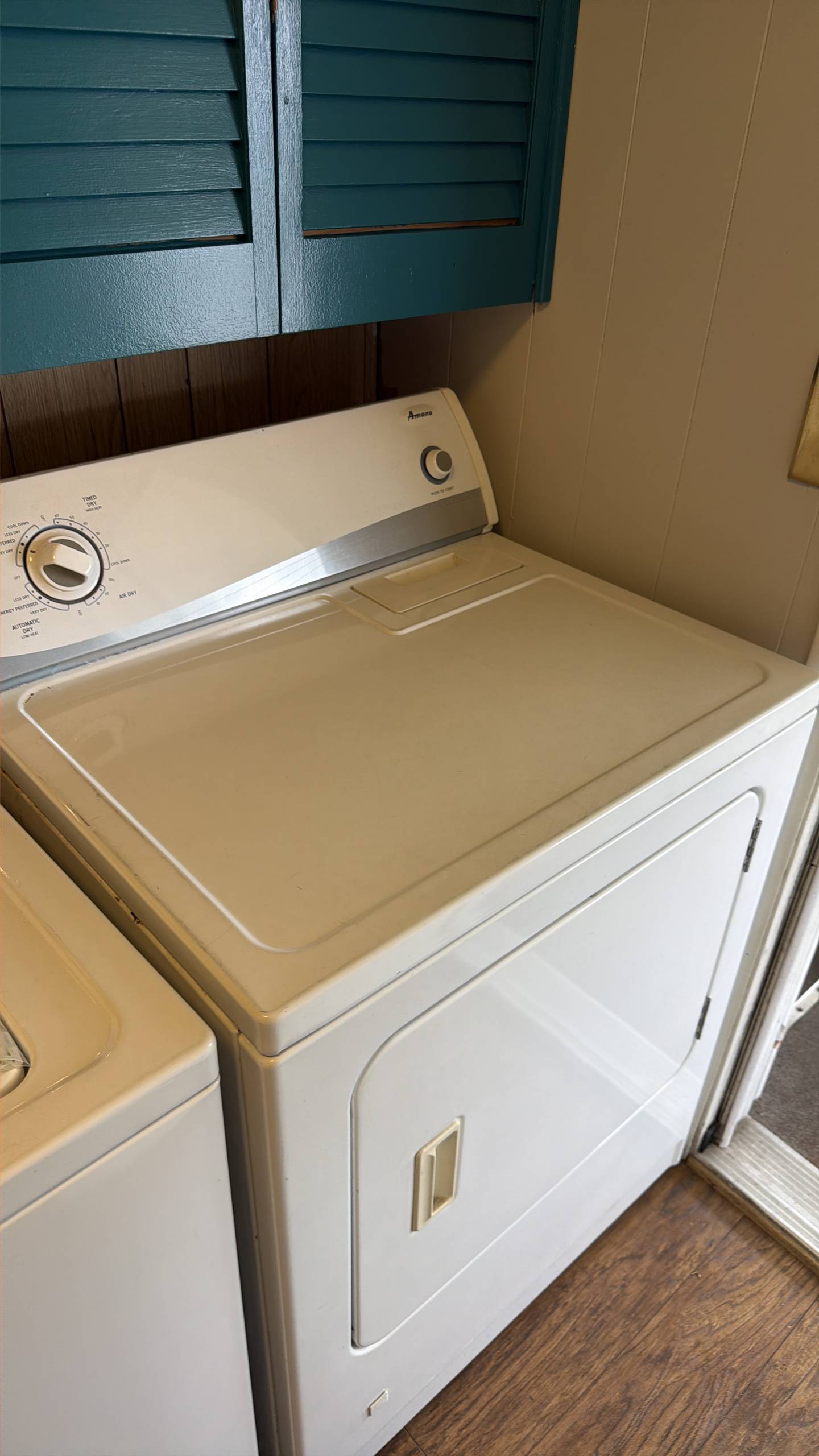
A washing machine that suddenly shuts off during a cycle and then starts working again can signal a developing electrical or electronic fault. While the appliance may continue running after the interruption, this pattern should not be ignored. Intermittent power loss often points to unstable power supply, worn internal connections, or control board irregularities that can worsen over time and eventually lead to full breakdown.
Unstable power supply as a primary factor
One of the most common reasons for brief shutdowns is inconsistent household voltage. Washing machines require a stable power flow to maintain motor operation, water heating, and control functions. When voltage drops below the required level, the machine’s internal protection system may temporarily shut it down to prevent damage.
This can happen due to overloaded circuits, especially if multiple high-power appliances run on the same line. Faulty wall outlets or loose plugs can also interrupt the connection for a fraction of a second, causing the machine to reset or pause mid-cycle.
Extension cords and low-quality power strips are another frequent cause. Washing machines should always be plugged directly into a grounded outlet because additional connectors increase resistance and instability.
Loose wiring and internal connection issues
Inside the appliance, wiring connects the power inlet, control board, motor, and sensors. If any of these connections become loose or oxidized, the power flow can break momentarily. The result is a sudden stop followed by automatic restart once contact is restored.
This issue is more likely in machines exposed to vibration over time. Continuous spinning and high-speed cycles gradually loosen connectors, especially if the machine is not properly leveled. Moisture exposure can also accelerate corrosion in internal terminals, increasing electrical resistance and causing intermittent interruptions.
Control board malfunctions
The control board acts as the central processor of the washing machine. It regulates cycle timing, motor speed, water intake, and safety systems. If the board develops faults, it may reboot unexpectedly or temporarily lose function.
Common causes include overheating, damaged relays, or failing capacitors. Power surges are particularly harmful, as they can degrade sensitive electronic components over time. In some cases, the board may partially fail, allowing the machine to restart after a brief interruption instead of shutting down completely.
A failing control board often produces inconsistent behavior beyond power loss, such as incorrect cycle timing, random pauses, or unresponsive buttons.
Motor overload and thermal protection triggers
Modern washing machines include safety mechanisms to protect the motor from overheating. If the motor draws excessive current due to heavy loads, worn bearings, or mechanical resistance, the system may temporarily shut down power.
After cooling for a short period, the machine resumes operation automatically. While this can appear like a power failure, it is actually a protective response. Repeated occurrences indicate underlying mechanical strain or motor inefficiency that requires attention.
Issues with the door lock system
The door lock mechanism ensures the machine does not operate when the drum is open. If the lock sensor sends unstable signals, the control system may interpret it as a safety risk and briefly cut power.
Faulty door latches, worn sensors, or misaligned doors can create intermittent contact, leading to unexpected pauses. This is often mistaken for electrical failure, but it originates from a safety circuit interruption.
External electrical infrastructure problems
Sometimes the issue lies not within the washing machine but in the home electrical system. Aging wiring, unstable circuit breakers, or poor grounding can cause momentary disconnections.
A weak circuit breaker may trip internally without fully shutting off, especially under fluctuating load conditions. Similarly, voltage fluctuations caused by external grid instability can affect appliance performance even when the internal components are in good condition.
Why this issue should not be ignored
Intermittent power loss is often an early warning sign. At first, the machine continues to operate normally after restarting. Over time, however, the interruptions can become more frequent and eventually lead to complete failure of key components such as the control board or motor.
Ignoring the issue can also increase repair costs. What begins as a minor wiring fault or unstable outlet can escalate into full electronic replacement if left unresolved.
Professional inspection and repair
Diagnosing intermittent electrical behavior requires systematic testing of both internal and external systems. Technicians typically check power input stability, inspect wiring harnesses, test the control board, and evaluate motor performance under load.
Because multiple components can produce similar symptoms, accurate diagnosis is essential to avoid unnecessary replacements.
A washing machine that briefly loses power during operation is signaling instability in either its electrical supply or internal control systems. The most common causes include voltage fluctuations, loose wiring, failing control boards, motor overload protection, or issues with safety sensors. Each of these problems can develop gradually, making early detection important.
If your appliance shows repeated interruptions during cycles, professional diagnostics will help prevent further damage and restore stable operation.
For reliable inspection and repair, contact HOME APPLIANCE SERVICE CENTER.
Contact us