619-928-5000
  Request Service
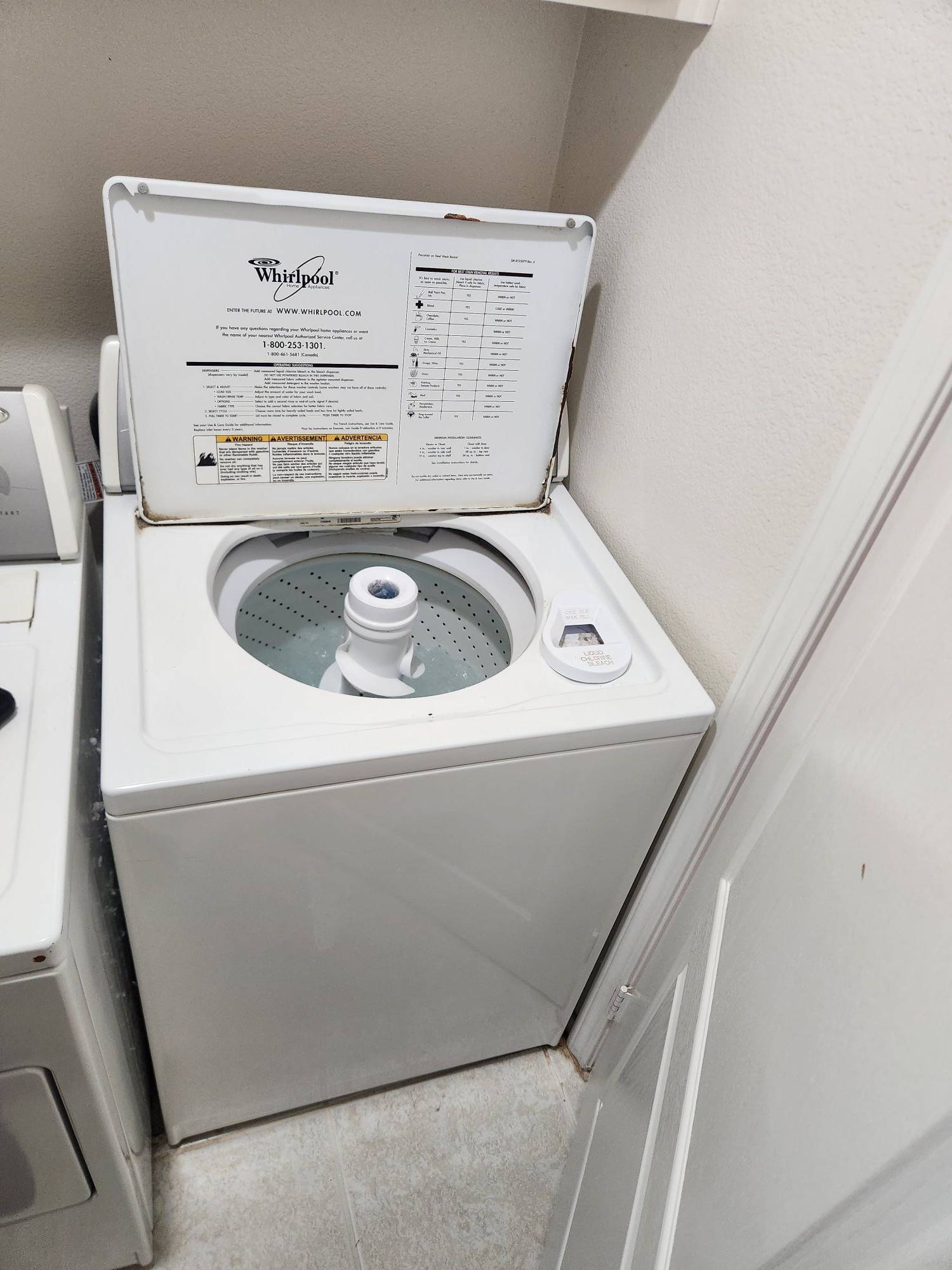
When a washing machine finishes a cycle but parts of clothing come out completely dry, the issue usually points to uneven water distribution inside the drum. The machine may still complete the program, but water is not reaching all fabrics evenly, which affects cleaning quality and rinse performance.
This problem can appear gradually or suddenly. In many cases, it is mistaken for a detergent issue or user error, while the real cause sits deeper in the water intake or circulation system.
Uneven water supply inside the drum
A common reason is restricted water flow into the machine. The inlet valve can become partially clogged with mineral deposits or debris from the water supply. When this happens, water enters too slowly or with weak pressure, and the drum does not fill uniformly.
In top-load machines, weak water flow often leads to dry sections on clothes that sit higher in the load. In front-load models, uneven spray patterns can leave corners of fabric untouched.
Spray and circulation system problems
Modern machines rely on internal spray systems or recirculation pumps to distribute water and detergent. If spray nozzles are blocked, water reaches only certain zones of the drum.
A failing circulation pump can also reduce movement of water through the load. Instead of flowing through fabrics evenly, water stays concentrated in one area, leaving other parts barely saturated.
Load imbalance and drum positioning
How clothes are loaded plays a major role. Overloading or placing heavy fabrics on one side of the drum prevents proper rotation and water penetration. The machine may still spin, but water cannot move freely through dense clusters of fabric.
Even small loads can cause issues if they stick to one side of the drum during the wash phase. This is especially common with bulky items like towels or bedding.
Sensor and water level regulation issues
Many modern washing machines use sensors to regulate water levels. If the sensor misreads the load size, the machine may add less water than needed. As a result, parts of clothing never fully get wet.
This can happen due to sensor wear, scaling, or software calibration errors. In such cases, cycles appear normal, but cleaning performance drops noticeably.
Detergent residue and water hardness
Hard water reduces the effectiveness of detergent and can create surface tension that prevents even soaking. Instead of spreading through fibers, water may bypass sections of fabric.
Excess detergent can also contribute by creating thick foam that traps water movement and reduces circulation efficiency.
Mechanical wear inside the drum system
Worn paddles, agitators, or drum lifters reduce the mechanical movement that helps water penetrate fabric layers. When these parts lose efficiency, clothes tend to clump together, leaving dry areas inside the load.
Even minor wear can significantly affect water distribution over time.
What to pay attention to
Early signs often include:
- Clothes coming out partially dry in the same areas repeatedly
- Detergent not fully dissolving
- Uneven washing results across similar loads
- Visible water pooling in one section of the drum during cycles
Ignoring these signs can lead to worsening performance and increased wear on other components.
Professional inspection matters
Water distribution issues are not always visible from the outside. The problem can involve valves, pumps, sensors, or internal spray systems working together. Without proper diagnostics, repairs often become trial and error.
A technician can test water pressure, inspect internal flow paths, and verify whether the machine is distributing water evenly across all cycle stages.
For persistent issues with uneven washing results, it is recommended to schedule a professional inspection with HOME APPLIANCE SERVICE CENTER to identify and resolve the root cause before it leads to more serious damage.
Contact us