619-928-5000
  Request Service
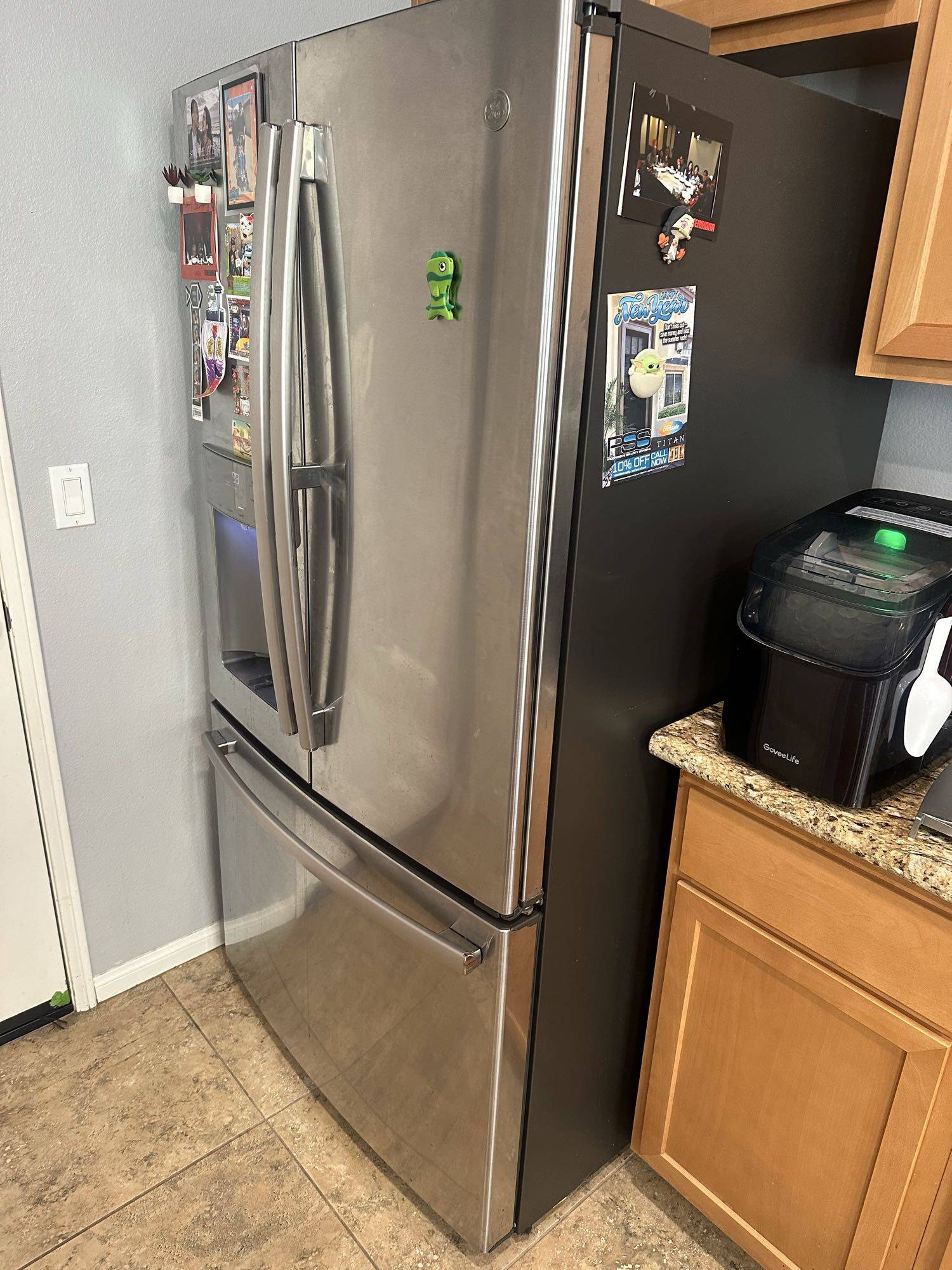
Moisture forming around a refrigerator door frame is a common issue that often signals an underlying mechanical or environmental problem. At first glance it may look harmless, but persistent condensation can lead to mold growth, food spoilage, and increased energy consumption. In many cases, the root cause lies in a failing door seal or unstable internal temperature regulation.
Understanding how and why this happens helps prevent further damage and costly repairs.
How door sealing problems lead to moisture
The refrigerator door gasket is designed to create an airtight barrier between the cold interior and the warmer room environment. When this seal weakens, outside air begins to enter the chamber. Warm air carries humidity, and once it meets the cold surfaces inside the fridge, it condenses into water droplets.
This process often becomes visible along the edges of the door frame, especially in areas where the seal is no longer tight. Even a small gap can be enough to disrupt the internal climate balance.
Common causes of gasket failure include:
- Natural wear and aging of rubber material
- Accumulated dirt or grease preventing proper closure
- Physical deformation due to frequent door slamming
- Misalignment of the refrigerator door
- Cracks or stiffness in the seal caused by temperature changes
When the seal cannot maintain consistent contact with the body of the refrigerator, humidity control becomes unstable, and moisture begins to appear externally.
Temperature imbalance as another trigger
Not all condensation problems come from damaged seals. In some cases, the refrigerator’s internal temperature system is not functioning correctly.
If the cooling cycle is irregular, certain zones inside the fridge may become too warm while others remain cold. This imbalance increases the likelihood of condensation forming near the door area, where temperature differences are most noticeable.
Typical reasons for temperature instability include:
- Faulty thermostat readings
- Blocked air circulation vents inside the fridge
- Overloaded compartments restricting airflow
- Malfunctioning evaporator fan
- Incorrect temperature settings or frequent adjustments
When warm air pockets develop inside the appliance, they naturally migrate toward the door area during opening and closing cycles. Once exposed to cooler surfaces, moisture forms and accumulates.
External environmental factors
In addition to technical issues, surrounding conditions can also influence condensation. High indoor humidity levels significantly increase the likelihood of moisture forming on cold surfaces.
Kitchens with poor ventilation or appliances placed near heat sources often experience more frequent condensation issues. Seasonal changes, especially in warmer months, intensify the problem.
However, environmental factors alone rarely cause persistent moisture around the door frame. They usually amplify existing mechanical weaknesses.
Risks of ignoring the problem
While moisture around the door may seem minor, long-term exposure creates several risks:
- Mold development along rubber seals and interior corners
- Deterioration of insulation materials
- Increased electricity consumption due to heat exchange loss
- Reduced cooling efficiency
- Shortened lifespan of compressor components
A refrigerator that constantly compensates for air leaks works harder than intended. This leads to higher energy use and gradual wear of internal parts.
Basic checks before calling a technician
Some preliminary inspections can help identify whether the issue is mechanical or environmental:
- Inspect the door gasket for cracks, stiffness, or visible gaps
- Clean the seal with warm water and mild detergent to remove residue
- Check whether the door closes evenly without resistance
- Verify that internal shelves are not blocking airflow
- Ensure the refrigerator is not placed too close to a wall, restricting ventilation
If moisture persists after these checks, the issue is likely deeper than surface-level wear.
When professional service is necessary
Persistent condensation around the door frame usually requires technical diagnosis. Specialists can test the sealing pressure, evaluate temperature distribution, and inspect cooling system components.
In many cases, early intervention prevents more expensive repairs later. Replacing a gasket or recalibrating the thermostat is significantly more affordable than addressing compressor failure caused by prolonged inefficiency.
Professional servicing also ensures that hidden issues, such as micro-leaks or sensor malfunctions, are identified before they escalate.
Moisture around a refrigerator door frame is a clear signal that the internal environment is no longer properly controlled. Whether caused by a worn seal, airflow disruption, or temperature imbalance, the issue should be addressed promptly to maintain efficiency and hygiene.
Timely inspection and repair help restore stable operation and prevent unnecessary energy loss.
For accurate diagnostics and repair solutions, contact:
HOME APPLIANCE SERVICE CENTER
Contact us