619-928-5000
  Request Service
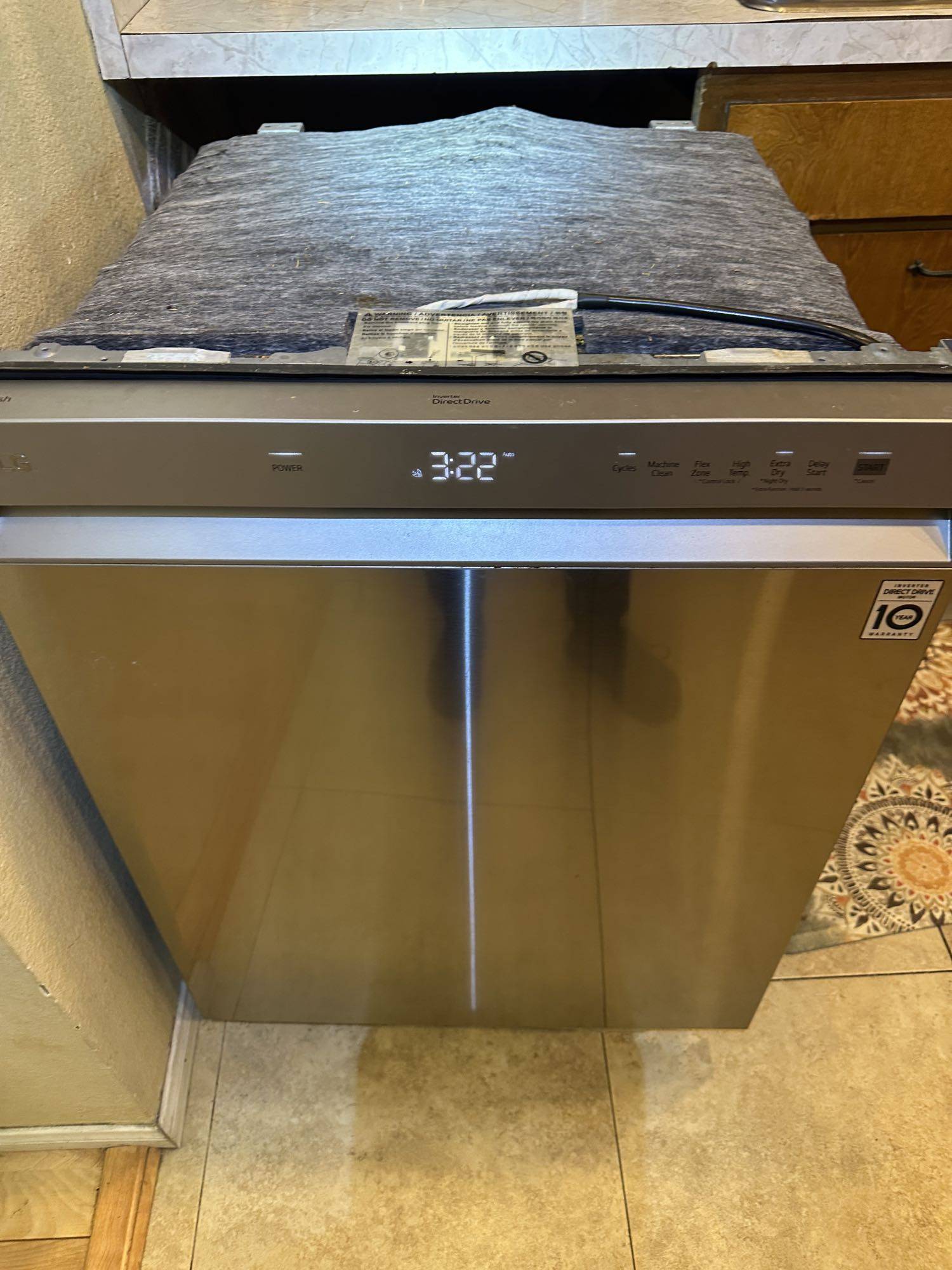
When a dishwasher takes in water but the spray arms barely rotate or stay almost still, the cycle often looks normal on the surface but fails to clean dishes. Water enters the tub, the timer runs, yet food residue remains and detergent is not fully dissolved. This pattern usually points to a problem in the circulation system, most commonly the circulation pump or components directly linked to it.
The circulation pump is responsible for pushing water through the spray arms under pressure. Without stable flow, the machine cannot create the force needed for rotation and proper cleaning. In many cases, the issue develops gradually, so users first notice reduced washing quality before the spray arms stop moving almost completely.
What the circulation pump actually does
Inside a dishwasher, water is not just filled and drained. It is continuously recirculated. After the fill phase, the circulation pump draws water from the sump area and pushes it through the spray arms at high pressure. The arms rotate due to the force of the water jets, distributing water evenly across dishes.
If the pump loses efficiency, the system still fills with water, but pressure drops. The spray arms may twitch, rotate slowly, or remain stationary. This creates uneven washing and often leaves detergent residue inside the machine.
Common reasons spray arms stop moving properly
Several technical issues can lead to weak circulation:
- Worn circulation pump motor
Over time, the motor inside the pump can lose torque. Bearings wear out, windings degrade, and the pump can no longer maintain required pressure. The dishwasher may still run, but water flow becomes too weak for proper spray arm rotation. - Clogged impeller or pump housing
Food particles, grease, and broken glass can accumulate in the pump assembly. Even a partial blockage reduces water flow significantly. In many cases, the machine fills and drains normally, but circulation is restricted. - Blocked spray arms
Although the pump may be working correctly, clogged spray arm holes can prevent rotation. Mineral deposits from hard water often narrow the nozzles, reducing pressure output. - Faulty capacitor (in some models)
Certain dishwashers rely on a capacitor to help start the pump motor. When it weakens, the pump may struggle to start or operate at full speed. - Air trapped in the system
If the dishwasher has recently been installed or serviced, air pockets can temporarily reduce pump efficiency. However, this usually resolves after a few cycles unless another issue exists. - Low water level in the tub
If the fill valve under-delivers water, the pump may not have enough volume to generate pressure. The result is weak spray arm movement even though the machine appears to operate normally.
Signs the circulation pump is failing
A failing pump rarely stops suddenly. It usually shows warning patterns:
- Dishes remain dirty after a full cycle
- Upper rack is noticeably less clean than the lower rack
- Spray arms rotate inconsistently or not at all
- A low humming sound replaces normal washing noise
- Cycle time remains normal, but cleaning performance drops
- Detergent tablet is still partially intact after the wash
These symptoms often overlap with other issues, so proper diagnosis is important before replacing parts.
What can be checked before calling a technician
Some basic checks help rule out simple causes:
- Remove spray arms and rinse them under water to clear blockages
- Inspect the filter at the bottom of the dishwasher and clean it thoroughly
- Check for visible debris in the sump area
- Run a cycle with a dishwasher cleaner to remove grease buildup
- Ensure dishes are not blocking spray arm rotation
If these steps do not improve performance, the issue is likely mechanical or electrical inside the pump system.
When the circulation pump needs service or replacement
If the pump motor is weak or damaged, cleaning will not restore pressure. In such cases, repair involves testing electrical resistance, checking motor load, and sometimes replacing the entire pump assembly.
Modern dishwashers often use integrated pump and heater units, which makes diagnosis more technical. Attempting disassembly without proper tools can lead to additional damage or water leakage issues.
A technician typically verifies:
- Voltage supply to the pump
- Motor resistance and continuity
- Impeller movement under load
- Pressure output during operation
Based on these tests, the pump is either repaired (if possible) or replaced.
Why ignoring the problem leads to bigger failures
Running a dishwasher with weak circulation puts extra strain on the system. The motor may overheat while trying to maintain pressure, and detergent buildup can accumulate inside pipes and valves. Over time, this affects sensors and reduces overall efficiency of the appliance.
In some cases, users continue operating the machine for months, only compensating with additional detergent. This does not solve the issue and often accelerates wear on internal components.
When a dishwasher fills but the spray arms barely move, the most likely cause is reduced circulation pump performance or restricted water flow within the system. While some issues are simple, such as clogged filters or spray arms, persistent weak pressure usually indicates a deeper mechanical fault.
Proper inspection helps avoid unnecessary part replacements and restores full cleaning efficiency.
For accurate diagnosis and repair, professional service is recommended.
HOME APPLIANCE SERVICE CENTER provides inspection, repair, and replacement of dishwasher circulation systems to restore stable performance and reliable washing results.
Contact us