619-928-5000
  Request Service
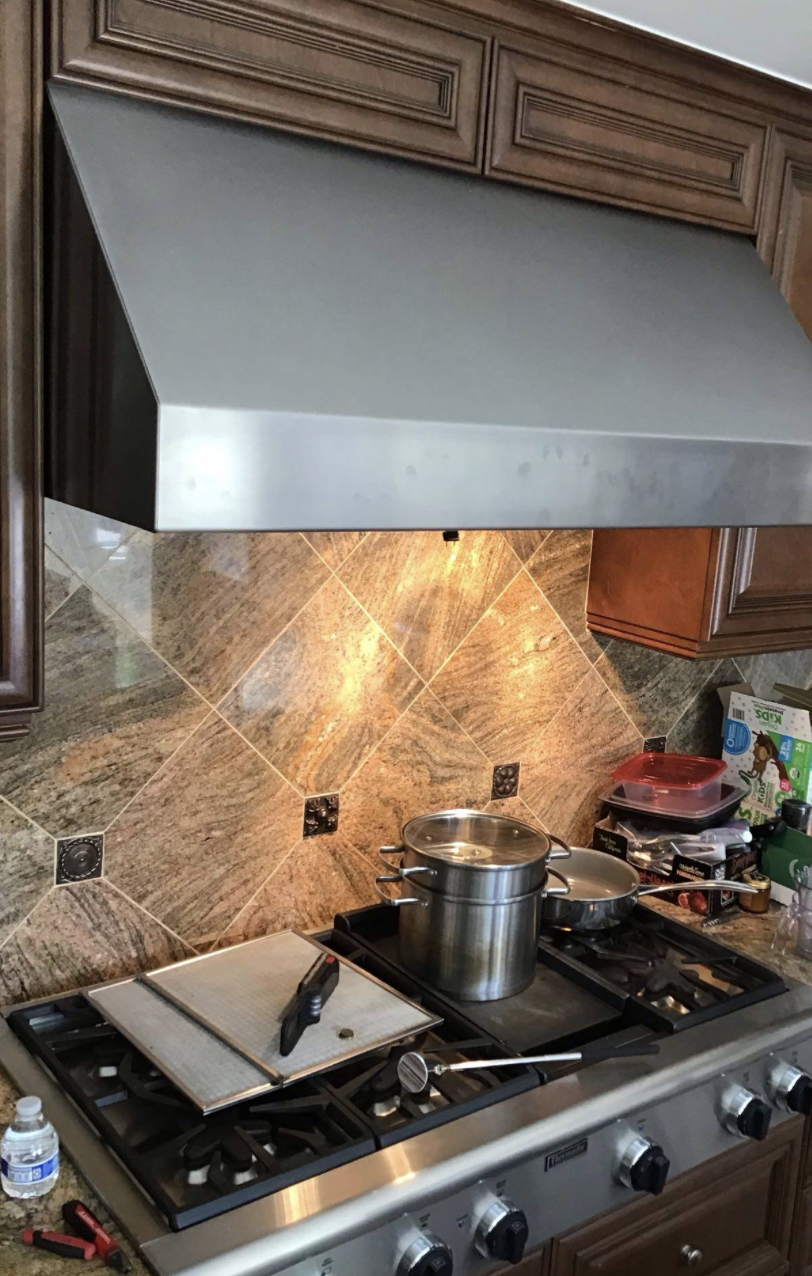
A Whirlpool range hood is designed to remove smoke, grease, steam, and cooking odors while operating quietly in the background. If your range hood suddenly begins making a buzzing noise, it is usually a sign that something inside the unit requires attention. While some sounds may seem minor at first, ignoring them can lead to more expensive repairs or complete failure of the appliance.
Buzzing noises can originate from several components, including the fan motor, electrical parts, loose hardware, or even accumulated debris. Identifying the cause early can help prevent additional damage and keep your kitchen ventilation system working efficiently.
Common Causes of a Buzzing Whirlpool Range Hood
Worn or Failing Fan Motor
The fan motor is one of the most common sources of buzzing sounds. Over time, bearings wear out, lubrication dries up, and internal components begin to deteriorate. As the motor struggles to spin the blower properly, it may produce a constant humming or buzzing sound.
Typical signs include:
- Buzzing that becomes louder at higher fan speeds
- Reduced airflow
- Fan operating inconsistently
- Burning odor from the motor
If ignored, the motor may eventually stop working completely.
Loose Fan Blade
The blower fan rotates at high speed to move air through the ventilation system. If the fan blade becomes loose, bent, or damaged, it can create vibrations that sound like buzzing.
A loose blade may also strike nearby housing components, making the noise progressively worse.
Professional inspection is recommended because continued operation can damage both the blade and the motor.
Electrical Component Problems
Electrical issues are another common reason for buzzing noises. Whirlpool range hoods contain switches, wiring, capacitors, transformers, and control boards that regulate operation.
Possible electrical problems include:
- Loose wire connections
- Failing capacitor
- Defective relay
- Damaged control board
- Transformer vibration
Electrical buzzing should never be ignored because it may indicate overheating or a developing electrical failure.
Grease Buildup Around the Blower
Cooking grease naturally accumulates inside the ventilation system. Over time, grease can coat the blower wheel, creating imbalance during rotation.
This imbalance causes vibration that often sounds like buzzing or humming.
Heavy grease buildup can also force the motor to work harder, shortening its lifespan.
Regular cleaning helps reduce this risk.
Loose Mounting Hardware
A range hood experiences constant vibration whenever the fan operates. Over time, mounting screws, brackets, or internal panels may loosen.
Instead of a mechanical failure, the buzzing may simply come from vibrating metal parts.
Although tightening the hardware may appear simple, improper disassembly can damage wiring or other components.
Damaged Fan Housing
If the appliance has experienced impact during installation or years of heavy use, the fan housing may become slightly warped.
Even a small amount of contact between the fan and housing can generate a noticeable buzzing sound.
Professional technicians can determine whether repair or replacement is the better solution.
Faulty Fan Speed Switch
Many Whirlpool range hoods offer multiple fan speed settings. A worn speed selector switch may fail to deliver stable electrical power to the motor.
This often produces:
- Buzzing only at certain speeds
- Fan speed fluctuations
- Intermittent operation
- Delayed startup
Replacing the switch restores normal performance.
Capacitor Failure
Some Whirlpool range hoods use a start or run capacitor to help power the motor.
When a capacitor weakens, the motor may struggle to start, producing a loud buzzing before finally turning—or failing to turn at all.
Capacitor replacement should only be performed by qualified technicians due to electrical safety concerns.
Foreign Objects Inside the Fan
Occasionally, small objects, insulation, or accumulated debris may enter the blower assembly.
As the fan rotates, these objects create vibration and buzzing noises.
Removing the obstruction early prevents additional wear on the motor.
When Should You Stop Using the Range Hood?
You should discontinue using the appliance immediately if you notice:
- Burning smells
- Electrical sparking
- Smoke
- Loud buzzing that suddenly becomes worse
- Fan failing to spin
- Circuit breaker repeatedly tripping
These symptoms may indicate a serious electrical problem requiring professional service.
Can You Repair It Yourself?
Homeowners can safely perform only basic maintenance, including:
- Cleaning grease filters
- Checking for visible debris
- Ensuring nothing is obstructing the fan
- Inspecting for loose exterior screws
However, internal electrical components and motor repairs should always be handled by experienced technicians. Modern Whirlpool range hoods contain electrical systems that require specialized testing equipment for accurate diagnosis.
Attempting DIY electrical repairs may result in further damage or create safety hazards.
Preventing Future Problems
Routine maintenance greatly reduces the likelihood of buzzing noises.
Helpful maintenance includes:
- Cleaning grease filters regularly
- Removing grease buildup inside the hood
- Avoiding excessive moisture exposure
- Operating the fan during cooking to reduce grease accumulation
- Scheduling professional inspections when unusual noises first appear
Early maintenance often prevents costly repairs later.
Professional Whirlpool Range Hood Repair
A buzzing Whirlpool range hood should never be dismissed as normal operation. Whether the problem involves a worn fan motor, loose blower assembly, failing capacitor, defective control board, or another electrical component, prompt diagnosis can prevent larger and more expensive repairs.
At HOME APPLIANCE SERVICE CENTER, our experienced technicians diagnose and repair all Whirlpool range hood problems quickly and accurately. We use professional diagnostic equipment, quality replacement parts, and dependable repair techniques to restore quiet, reliable operation.
If your Whirlpool range hood is making a buzzing noise, contact HOME APPLIANCE SERVICE CENTER today and schedule professional repair service.