619-928-5000
  Request Service
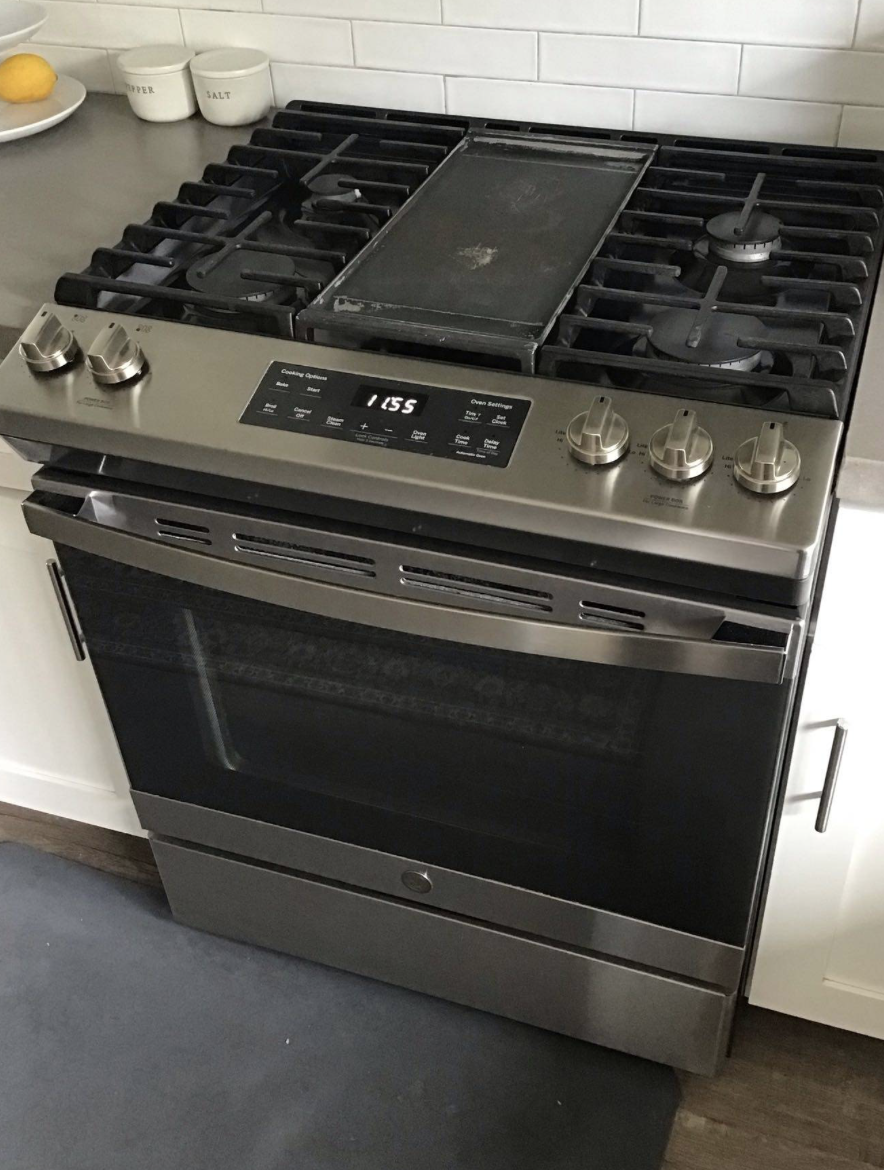
A gas oven that cannot maintain the temperature you select can quickly turn meal preparation into a frustrating experience. You may set the oven to 350°F, only to find that food cooks unevenly, takes much longer than expected, or comes out overcooked on the outside and undercooked in the center. If your Whirlpool gas range oven won’t maintain the set temperature, the problem often points to a faulty oven igniter or a failing gas safety valve. However, several other components may also contribute to unstable heating.
Understanding what causes temperature fluctuations can help you identify when professional repair is necessary and prevent further damage to your appliance.
How a Whirlpool Gas Oven Maintains Temperature
Your Whirlpool gas oven uses several components that work together to regulate heat. Once you select a temperature, the electronic control board monitors the oven sensor and signals the igniter to light the burner. The gas safety valve opens only when the igniter reaches the proper temperature, ensuring safe ignition. Throughout the cooking cycle, the burner turns on and off as needed to keep the oven near the selected temperature.
When one of these components fails, the oven may struggle to keep consistent heat.
Common Signs of Temperature Problems
If your Whirlpool gas oven has difficulty maintaining the selected temperature, you may notice:
- Food baking unevenly
- Cooking times becoming much longer than usual
- Temperature rising and falling dramatically
- The burner cycling too frequently
- The oven failing to recover temperature after opening the door
- Bread, cakes, or pastries not baking properly
- Burned bottoms with undercooked centers
- Error codes on the display in some models
These symptoms often become more noticeable during longer baking sessions.
Possible Cause #1: Weak Oven Igniter
One of the most common reasons a Whirlpool gas range oven won’t maintain the set temperature is a worn oven igniter.
The igniter performs two important tasks:
- Ignites the gas
- Draws enough electrical current to open the gas safety valve
Over time, igniters weaken. Even if they still glow, they may not become hot enough to open the valve consistently or may take too long to ignite the burner.
Common symptoms include:
- Delayed ignition
- Slow preheating
- Burner shutting off too early
- Inconsistent oven temperatures
- Longer cooking times
Because many homeowners assume the glowing igniter is functioning properly, this issue is often overlooked.
Possible Cause #2: Defective Gas Safety Valve
The gas safety valve controls the flow of gas to the oven burner. It works together with the igniter to ensure gas is released only when safe ignition is possible.
If the valve begins to fail, it may:
- Open inconsistently
- Restrict gas flow
- Close too early
- Prevent proper burner operation
As a result, the oven may repeatedly lose heat before reaching or maintaining the selected temperature.
Replacing a gas safety valve requires careful handling of gas components and should always be performed by an experienced appliance technician.
Other Components That May Cause Temperature Fluctuations
Although igniters and safety valves are common causes, several other parts may also affect temperature regulation.
Faulty Oven Temperature Sensor
The sensor continuously measures internal oven temperature.
If it sends incorrect readings to the control board, the oven may:
- Overheat
- Underheat
- Cycle incorrectly
- Shut the burner off too early
Testing sensor resistance requires specialized equipment.
Electronic Control Board Problems
The electronic control board manages heating cycles.
If it misinterprets temperature readings or fails to send proper signals, temperature may become unstable.
Possible symptoms include:
- Random heating cycles
- Inconsistent temperatures
- Failure to maintain selected settings
- Display issues
Damaged Burner Assembly
A clogged or damaged oven burner can produce an uneven flame.
This leads to:
- Poor heat distribution
- Slow recovery after opening the oven door
- Uneven baking performance
Cleaning or replacing the burner may restore proper operation.
Poor Door Seal
A worn door gasket allows heat to escape continuously.
Even if the burner operates correctly, excessive heat loss makes it difficult for the oven to maintain the selected temperature.
Look for:
- Cracked gasket
- Flattened sections
- Visible gaps around the door
- Excessive heat escaping from the front
Why Accurate Temperature Matters
Many recipes depend on stable oven temperatures.
Even small fluctuations can affect:
- Cakes
- Bread
- Cookies
- Roasted meats
- Casseroles
- Pizza
Repeated overheating or underheating often results in inconsistent cooking quality and wasted ingredients.
Can You Fix It Yourself?
Some basic maintenance is safe for homeowners.
You can:
- Inspect the door gasket
- Clean food debris from the oven
- Verify the oven is properly calibrated if your model allows
- Observe whether the igniter glows normally
However, diagnosing gas ignition problems should be left to professionals.
Avoid attempting to:
- Replace the gas safety valve
- Disassemble gas lines
- Test live electrical components
- Modify burner assemblies
Gas appliances require specialized tools and proper safety procedures.
Preventing Future Temperature Problems
Routine maintenance can reduce the likelihood of future heating issues.
Helpful maintenance includes:
- Cleaning the oven regularly
- Keeping burner ports free of debris
- Avoiding spills around the burner
- Inspecting the door seal periodically
- Scheduling professional inspections if performance changes
- Addressing ignition delays promptly
Early repairs often prevent more expensive component failures.
When to Call a Professional
Professional service is recommended if:
- The oven never reaches the selected temperature.
- Temperature constantly rises and falls.
- Preheating takes much longer than normal.
- The burner cycles irregularly.
- You smell gas.
- The igniter glows but the burner does not light consistently.
- Baking results have become increasingly inconsistent.
A trained technician can accurately diagnose the problem, safely replace defective components, and restore reliable oven performance.
Trust HOME APPLIANCE SERVICE CENTER
If your Whirlpool gas range oven won’t maintain the set temperature, don’t let inconsistent heating ruin your meals or risk further damage to your appliance. The experienced technicians at HOME APPLIANCE SERVICE CENTER can diagnose oven igniter failures, gas safety valve problems, faulty sensors, control board issues, and other heating system malfunctions. We provide fast, dependable repairs using quality replacement parts to restore your Whirlpool gas oven to peak performance. Contact HOME APPLIANCE SERVICE CENTER today and schedule your professional appliance repair service.
Contact us