619-928-5000
  Request Service
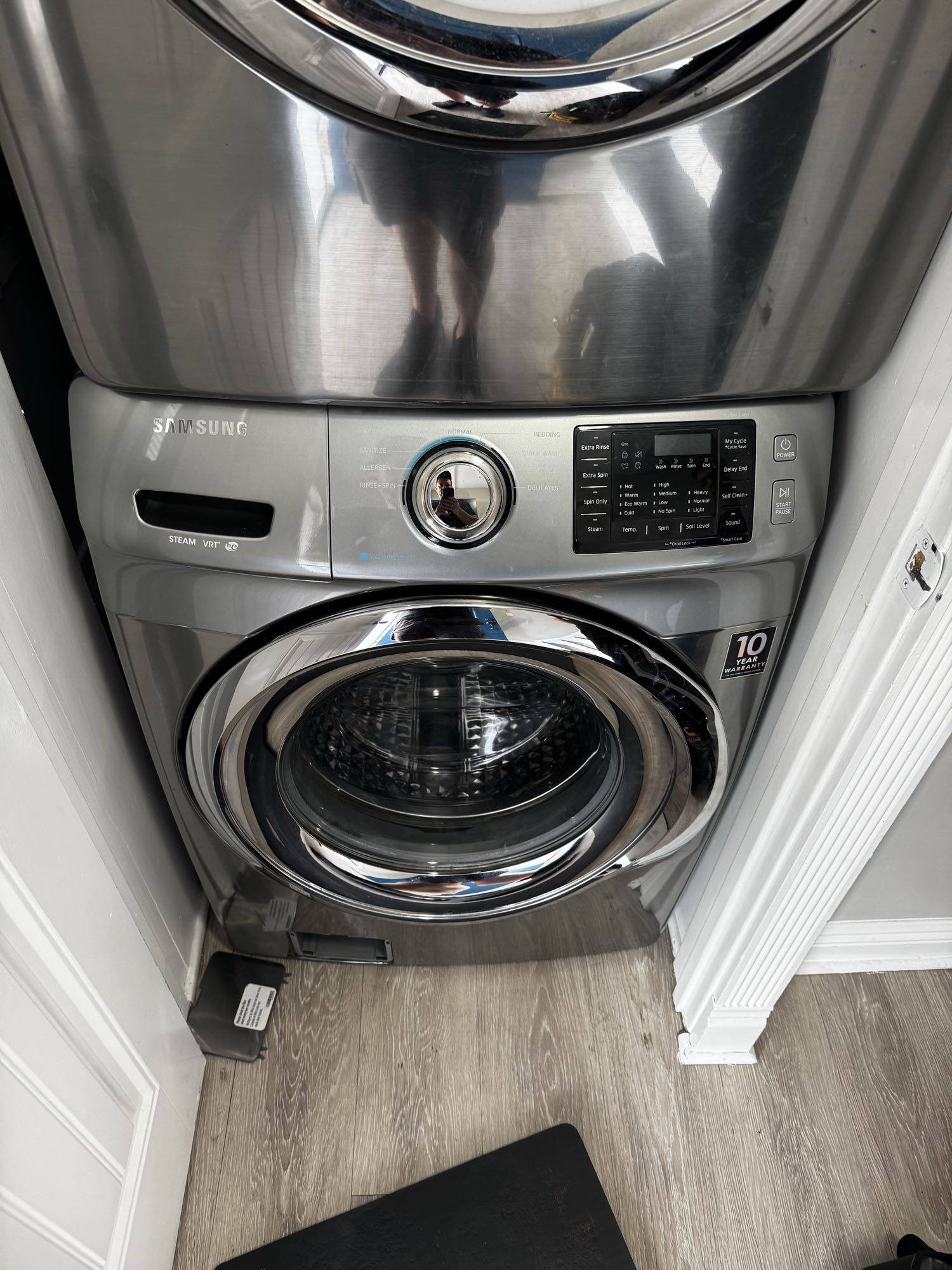
A burning rubber smell coming from your washing machine during heavy loads is a warning sign that should never be ignored. While a washer may continue operating despite the odor, the smell often indicates that one or more internal components are under excessive stress, overheating, or experiencing abnormal friction. If left unresolved, the problem can lead to expensive repairs, damaged clothing, or even complete machine failure.
Understanding the possible causes can help homeowners recognize when professional service is needed.
Why the Smell Appears During Heavy Loads
Washing machines are designed to handle specific weight limits. When large loads of towels, bedding, blankets, or other heavy items are washed, the machine’s motor, belt system, bearings, and suspension components work harder than usual.
If any of these parts are already worn or damaged, the additional strain created by a heavy load can generate heat and friction. The result is often a distinct burning rubber odor that becomes noticeable during washing or spinning cycles.
Worn or Slipping Drive Belt
One of the most common causes of a burning rubber smell is a worn drive belt.
Many washing machines use a rubber belt to transfer power from the motor to the drum. Over time, this belt can stretch, crack, or become glazed from normal wear. When a heavy load increases resistance inside the drum, the belt may begin slipping rather than gripping properly.
As the belt slips against pulleys, friction generates heat and produces a smell similar to burning rubber.
Signs of a failing drive belt include:
- Burning odor during spin cycles
- Squealing or screeching noises
- Reduced spinning performance
- Drum movement that seems sluggish
Ignoring these symptoms can eventually lead to belt failure and a washer that no longer spins.
Overheating Drive Motor
The drive motor is responsible for rotating the drum during washing and spinning cycles. Heavy loads force the motor to work harder and draw more electrical current.
If the motor is aging, partially obstructed by lint and dust, or suffering from internal wear, it may overheat under stress.
Overheated motors can emit odors that resemble burning rubber or hot insulation. In some cases, the smell may only appear when washing large loads because the motor is not pushed as hard during normal operation.
Motor overheating should be evaluated promptly since continued use can result in permanent motor damage.
Damaged Drum Bearings
Drum bearings allow the washing machine drum to rotate smoothly with minimal resistance.
As bearings wear out, friction increases significantly. During heavy loads, the additional weight places even greater stress on the damaged bearings, causing heat buildup inside the machine.
Symptoms of failing bearings often include:
- Loud rumbling noises
- Grinding sounds during spinning
- Excessive vibration
- Burning smells after extended cycles
Replacing worn bearings early can prevent further damage to the drum assembly and drive system.
Faulty Pulley Components
Pulleys guide and support the drive belt as the machine operates. If a pulley becomes loose, misaligned, or damaged, the belt may rub against surfaces it was not intended to contact.
This creates friction and heat that can produce a strong rubber smell.
Heavy loads tend to amplify the problem because they increase the force transmitted through the drive system. What seems like a minor issue during light loads can become much more noticeable when the washer is filled with bulky items.
Problems with the Clutch Assembly
Certain top-load washing machines use a clutch assembly to help the drum transition between agitation and spinning.
A worn clutch can slip excessively when handling heavy loads. The resulting friction may generate heat and create an odor similar to burning rubber.
Common signs include:
- Slow spin speeds
- Wet clothes at the end of the cycle
- Burning smells during spinning
- Difficulty reaching full spin speed
A technician can inspect the clutch and determine whether replacement is necessary.
Overloaded Washer
Sometimes the problem is not a failed component but simply an overloaded machine.
Many homeowners unknowingly exceed the washer’s recommended capacity when washing comforters, rugs, or multiple towels at once. Excessive weight places strain on nearly every mechanical component inside the appliance.
Repeated overloading can accelerate wear on belts, motors, bearings, and suspension systems.
To reduce stress on the machine:
- Follow the manufacturer’s load recommendations
- Avoid packing the drum tightly
- Wash bulky items separately when possible
- Distribute laundry evenly inside the drum
These practices help extend the lifespan of the appliance and improve washing performance.
When to Stop Using the Washer
If a burning rubber smell becomes strong, persistent, or is accompanied by unusual noises, stop using the machine immediately.
Continuing to operate a washer with overheating components can lead to:
- Belt failure
- Motor burnout
- Pulley damage
- Bearing destruction
- More costly repairs
Professional diagnosis is often the safest and most cost-effective solution.
Professional Inspection Makes the Difference
Because several different components can produce similar symptoms, identifying the exact source of the smell requires a thorough inspection. A trained appliance technician can examine the drive system, motor, bearings, pulleys, and related components to determine what is overheating and recommend the appropriate repair.
If your washing machine smells like burning rubber during heavy loads, don’t wait for a complete breakdown. Contact HOME APPLIANCE SERVICE CENTER for professional washer diagnosis and repair. Their experienced technicians can identify the cause of the overheating, restore safe operation, and help keep your appliance running efficiently for years to come.
Contact us